
Roofing Resources for Homeowners in South Florida
Practical roofing guidance for homeowners dealing with repairs, replacements, and real-world issues in South Florida.
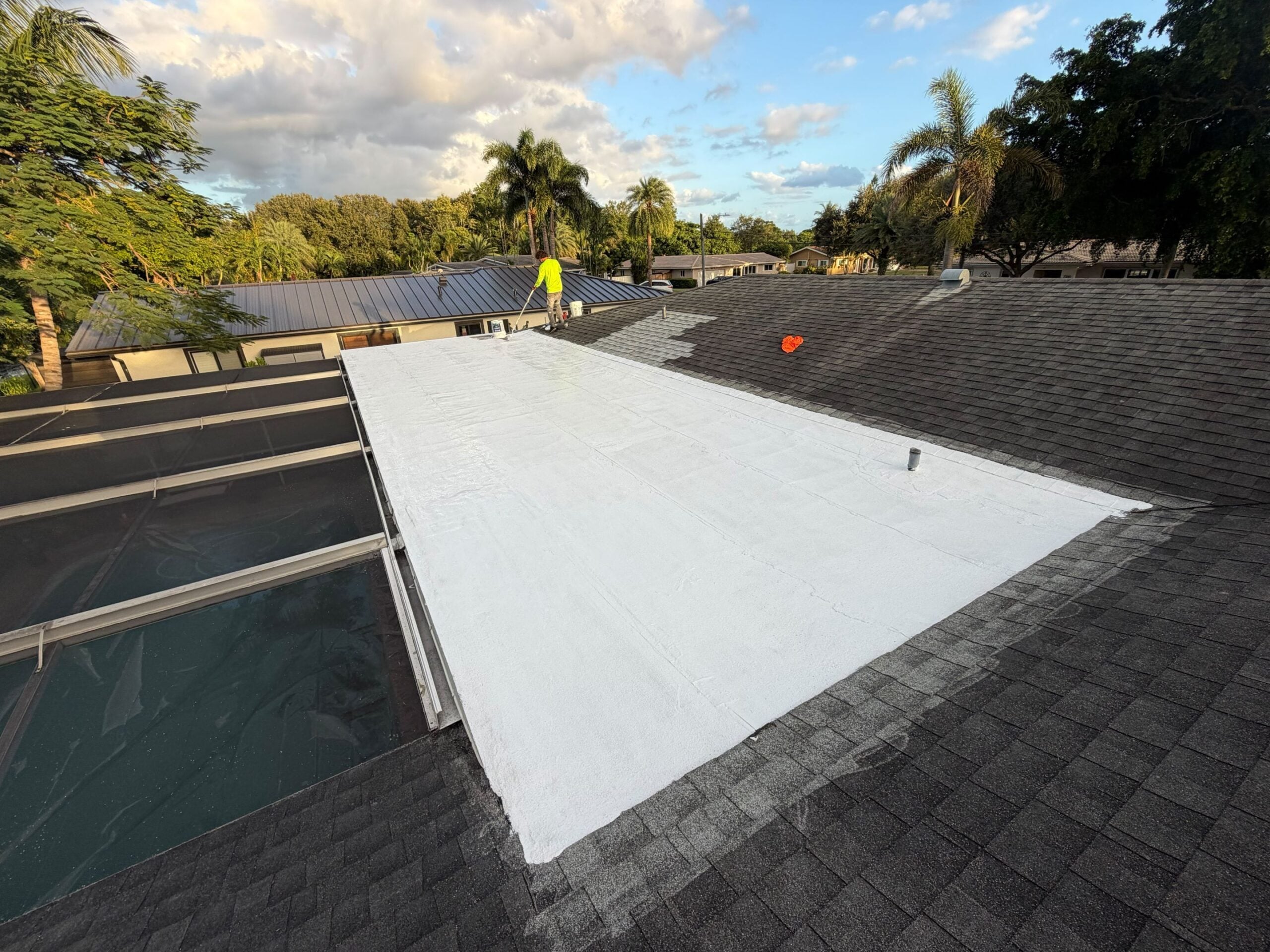

Plantation Silicone Roof Coating: Secluded Gardens Pool Patio Project
This Plantation silicone roof coating project addressed a leaking pool-patio roof in Plantations Secluded Gardens, also listed in some records as Plantations Secluded Gard, in
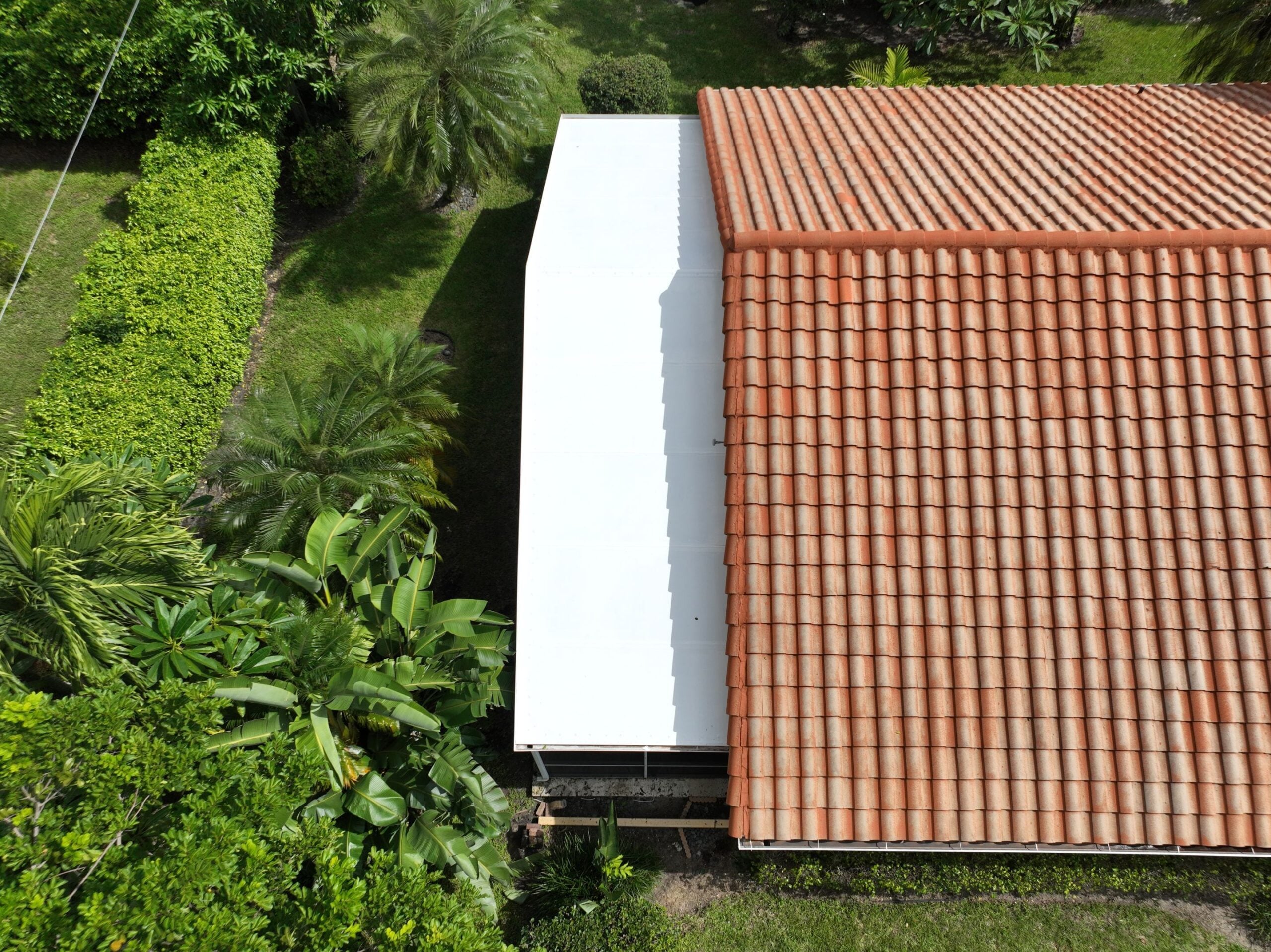
Delray Beach Silicone Roof Coating: Colombo Court Patio Roof Restoration
This Delray Beach silicone roof coating project restored an approximately 400 to 500 square-foot aluminum-panel patio roof at a home in the Bel Air community,
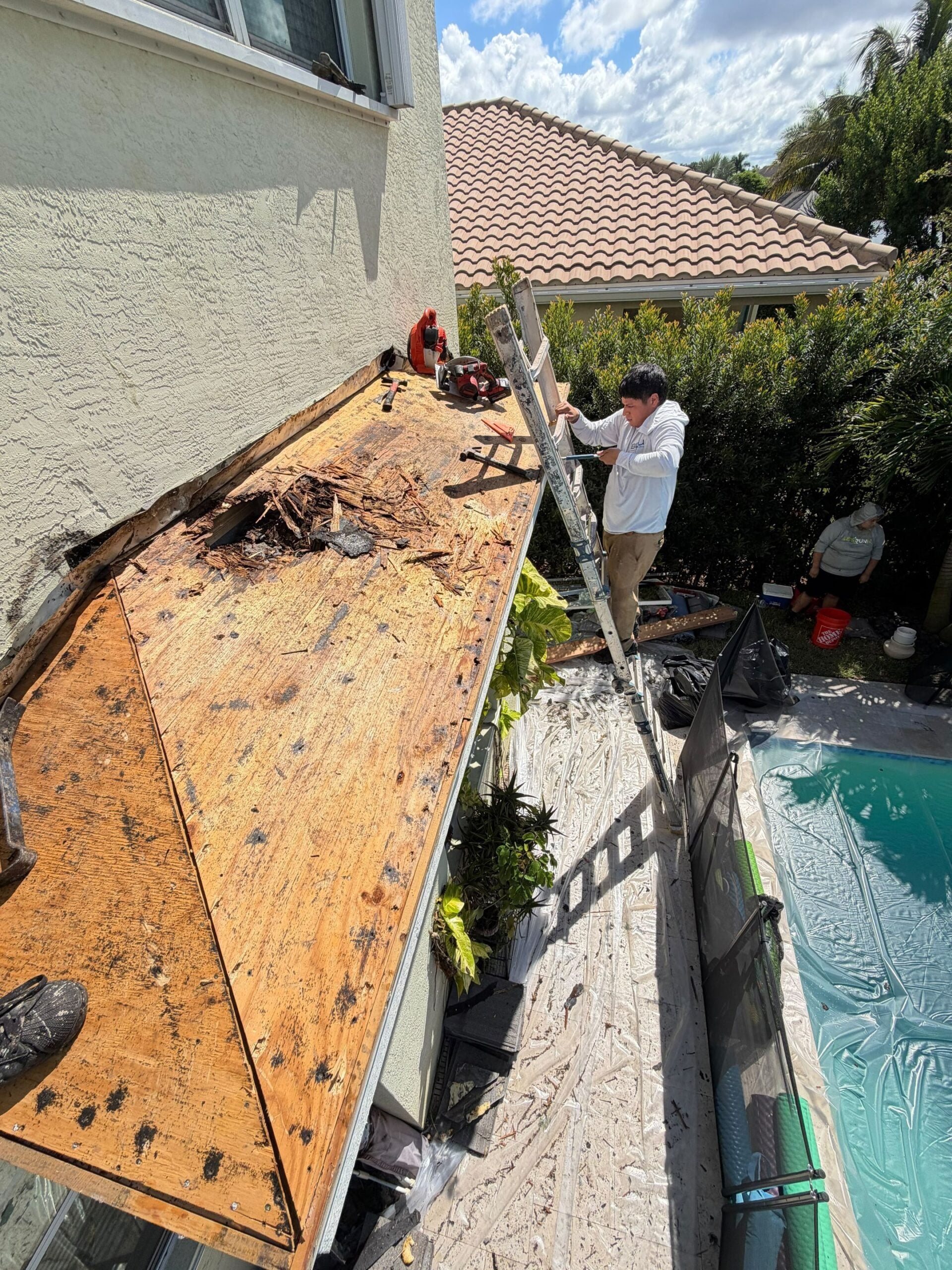
West Palm Beach Tile Roof Repair: PortoSol Eyebrow Roof Repair
This West Palm Beach tile roof repair was completed on a small concrete tile eyebrow roof at a home in the gated PortoSol community, ZIP
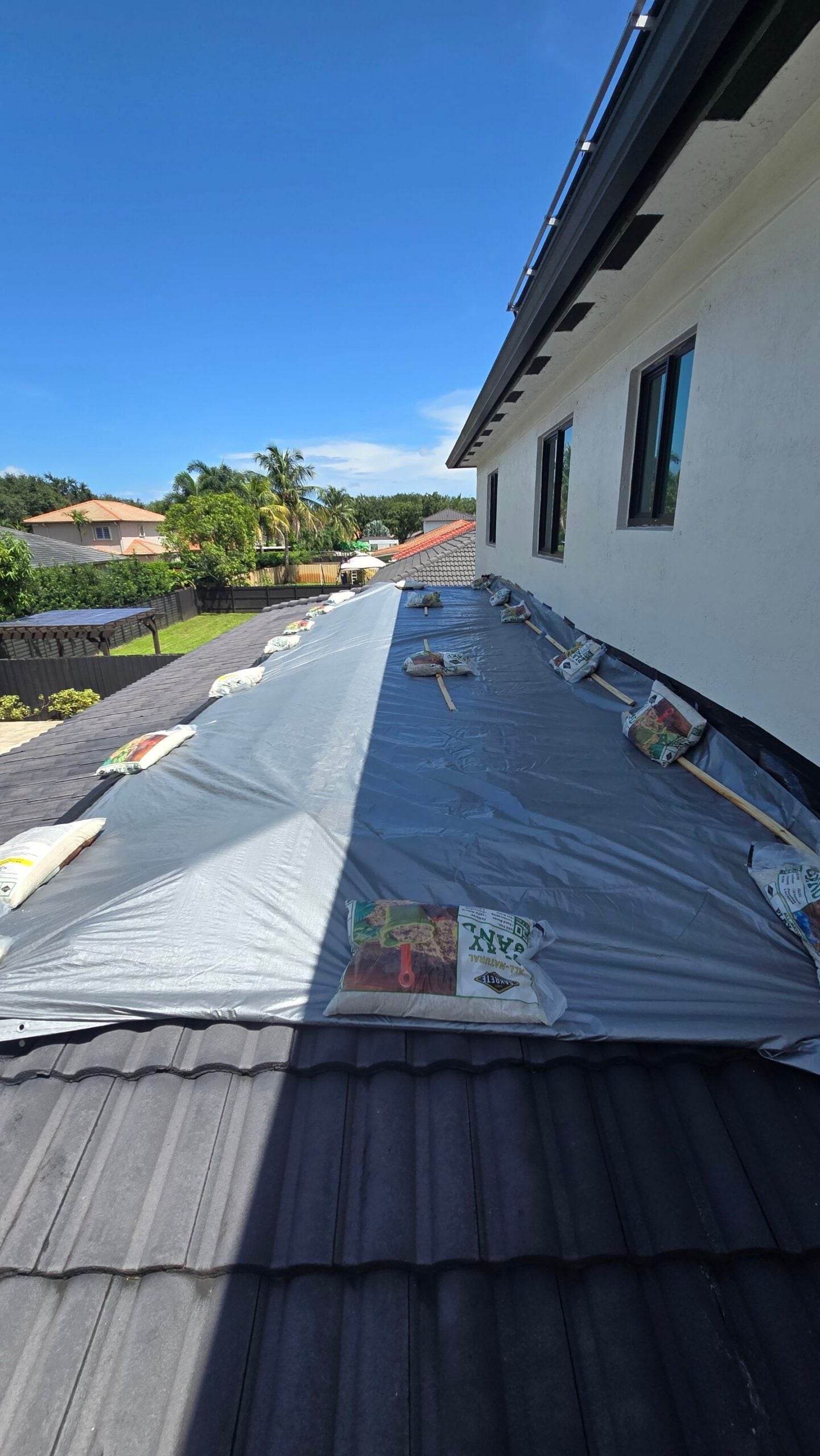
Emergency Roof Tarp Installation for Insurance Mitigation
This emergency roof tarp installation was completed for insurance mitigation at a single-family home in Miami Lakes, Florida. The active leak was at the connection
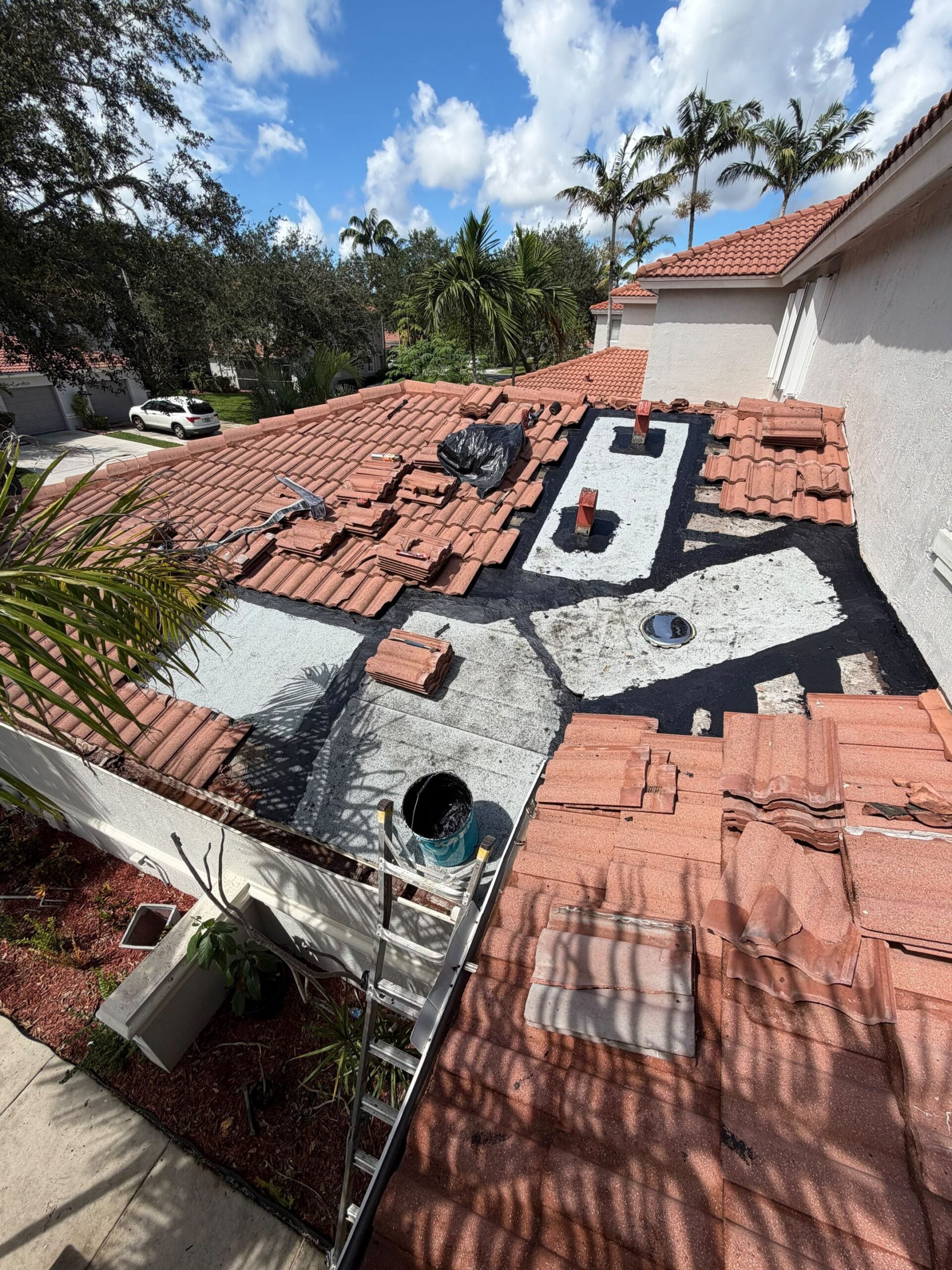
Riviera Beach Tile Roof Repair: Multiple Leaks at a Turtle Cay Townhouse
This Riviera Beach tile roof repair addressed multiple leak areas on a concrete tile townhouse roof in Turtle Cay, Riviera Beach, Florida. The rental property
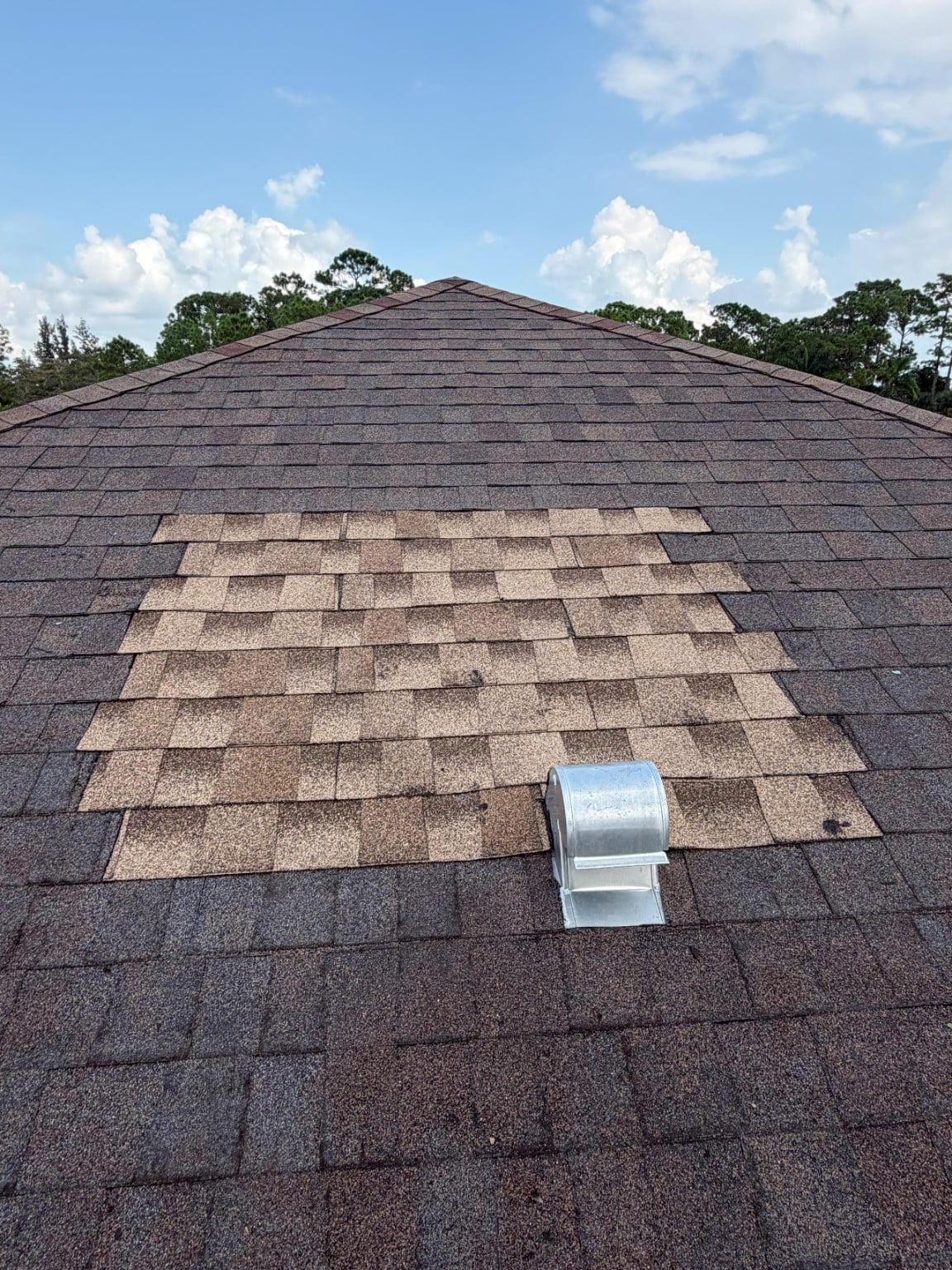
Heritage Farms Shingle Roof Repair: Finding a Leak in a Spray-Foam Attic
This Heritage Farms shingle roof repair involved a difficult-to-locate leak on an eight-year-old asphalt shingle roof in the Heritage Farms equestrian community near Lake Worth
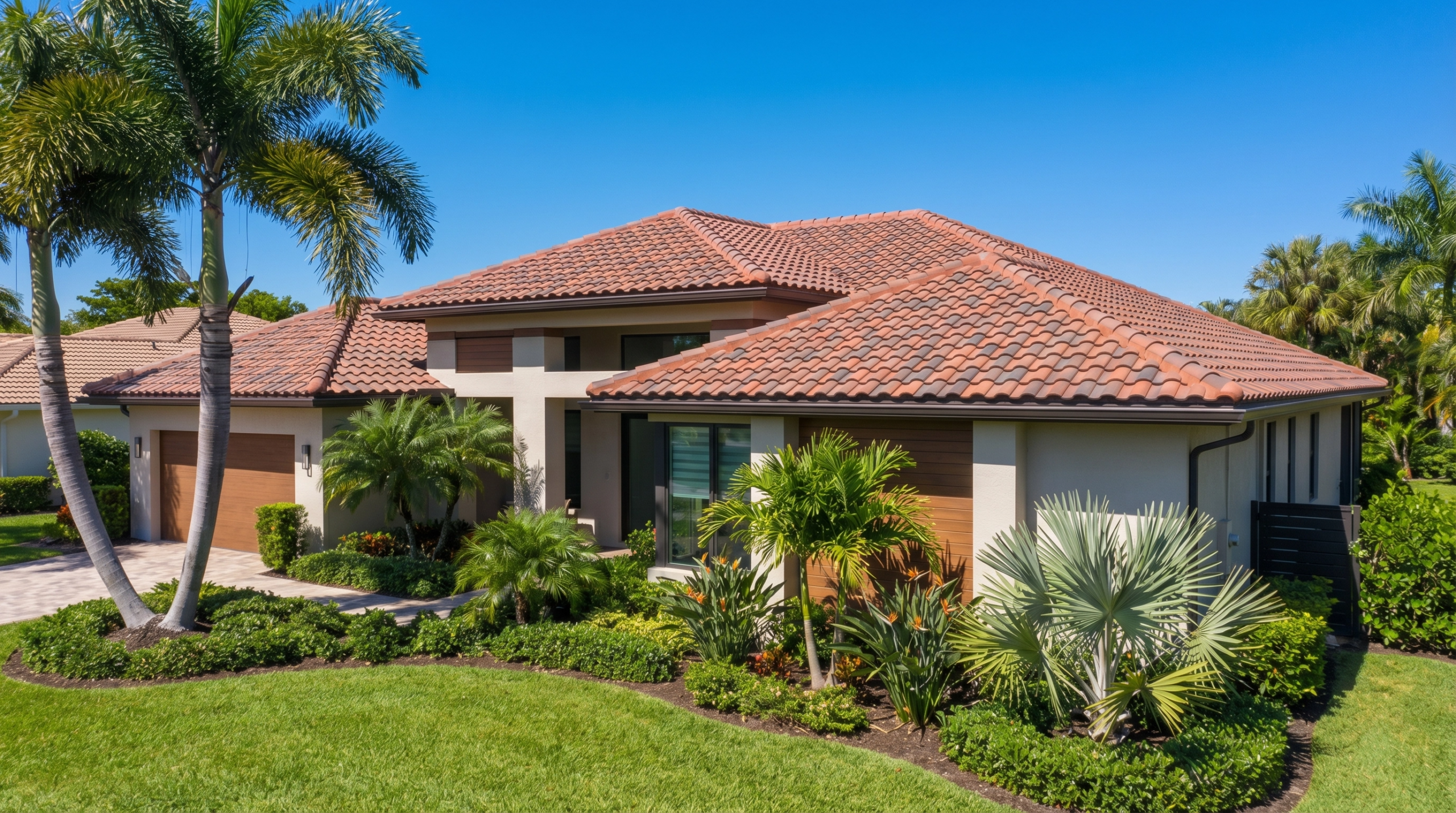
For homeowners in Boca Raton, a roof replacement is a significant investment and a crucial project for protecting your home from Florida’s intense weather. One of the most common questions we hear at BLU Roofing is, “How long will it take?” The answer isn’t always straightforward, as several factors can influence the timeline, from the size and complexity of your roof to weather conditions and permitting processes. This 2026 guide will break down the typical duration of a roof replacement in Boca Raton, helping you plan and prepare for a smooth project.
Quick Summary
A roof replacement in Boca Raton typically takes 2-7 days of actual roofing work, but the entire process, including permitting and inspections, can span 4-8 weeks. Factors like roof size, material choice, weather, and the complexity of your home’s structure all influence the timeline. Proper planning and choosing a reputable local contractor are key to a timely and efficient project.
Table of Contents
Factors Influencing the Timeline
Several key elements contribute to how long your roof replacement project will take:
- Roof Size and Complexity: Larger homes with intricate roof designs (multiple valleys, dormers, steep pitches) naturally require more time than smaller, simpler roofs.
- Material Choice: The type of roofing material significantly impacts installation time. Asphalt shingles are generally quicker to install than tile or metal roofs, which require more specialized techniques and attention to detail. For more on material choices, see our guide on best roofing materials for Boca Raton homes.
- Existing Roof Removal: Your old roof needs to be completely torn off (which is the case in Florida due to building codes), this adds time compared to simply re-roofing over an existing layer.
- Weather Conditions: South Florida’s unpredictable weather, especially during hurricane season, can cause delays. Rain, high winds, or extreme heat can halt work for safety reasons.
- Permitting and Inspections: Boca Raton, like all Florida cities, has strict building codes. Obtaining permits and passing required inspections are non-negotiable steps that add to the overall timeline.
- Contractor Efficiency: The experience and crew size of your chosen roofing contractor play a big role. A well-organized and efficient team can complete the job faster without compromising quality.
Typical Roof Replacement Timeline in Boca Raton
While every project is unique, here’s a general breakdown of what Boca Raton homeowners can expect:
| Phase | Estimated Duration | Details |
|---|---|---|
| Initial Consultation & Estimate | 1-3 days | Meeting with contractor, detailed inspection, receiving a quote. |
| Material Selection & Contract | 3-7 days | Finalizing material choice, signing contract, scheduling. |
| Permit Acquisition | 1-4 weeks | Contractor submits plans to Boca Raton building department. This can vary significantly. |
| Material Delivery | 1-3 days | Materials delivered to your property. |
| Old Roof Removal (Tear-off) | 1-2 days | Removal of existing roofing materials and debris. |
| New Roof Installation | 3-7 days | Installation of underlayment, flashing, and new roofing material. |
| Final Inspection & Cleanup | 1-3 days | City inspection, final quality check, and site cleanup. |
Total Estimated Project Time: 4-8 Weeks (from initial contact to final inspection)
Permitting and Inspections
Permitting is a critical, non-negotiable step in Boca Raton. The city requires permits to ensure all work complies with Florida Building Code, especially concerning hurricane resistance. Your contractor will handle the permit application, but the processing time can vary. Multiple inspections are required throughout the project:
- Sheathing Inspection – Confirms there is no bad decking and that the roof deck is nailed up to the current building code
- Metal and TinTag Inspection – Inspections of underlayment tin tagging, valley metal, drip edge, flashings, and sealing components.
- In Progress Inspection – After the old roof is removed and the decking/underlayment is installed, but before the new roofing material is fully applied. Usually 100sq ft of the roof covering is installed prior to this inspection.
- Final Inspection – Once the new roof is complete, a city inspector will verify that all work meets code. This final approval is essential for your homeowner’s insurance and future home sales.
For more information on local building codes and permits, you can consult the City of Boca Raton Building Department.
How to Speed Up Your Roof Replacement
While some factors are beyond your control, you can take steps to ensure your project moves as quickly as possible:
- Choose a Reputable Contractor: A local, experienced contractor like BLU Roofing will be familiar with Boca Raton’s permitting process and have efficient crews. They can also help you understand how to choose a roofing contractor.
- Be Decisive: Make decisions on materials and colors promptly to avoid delays in ordering.
- Clear the Work Area: Ensure easy access to your roof by trimming trees and moving vehicles or outdoor furniture.
- Communicate: Maintain open communication with your contractor regarding any concerns or questions.
Based on our 2026 project data in Palm Beach County, projects with clear communication and prompt homeowner decisions consistently experience shorter overall timelines.
FAQ: Roof Replacement Duration
Q: Can a roof replacement be done in one day?
A: For very small, simple roofs, the actual installation might be completed in a day. However, considering tear-off, cleanup, and mandatory inspections, the entire process rarely concludes in just one day in Boca Raton.
Q: What happens if it rains during my roof replacement?
A: Reputable contractors will take precautions to protect your home, such as tarping exposed areas. Work will typically pause during heavy rain and resume when conditions are safe and dry enough to ensure quality installation.
Q: Will I have to leave my home during the roof replacement?
A: Most homeowners do not need to vacate their homes during a roof replacement. However, be prepared for noise and some disruption. Your contractor will discuss any specific safety concerns or temporary inconveniences.
Q: How far in advance should I schedule a roof replacement in Boca Raton?
A: It’s advisable to schedule several weeks to a few months in advance, especially if you’re planning during peak season (after hurricane season ) or if you have specific material requirements. This allows ample time for permitting and material delivery.
Written By: Peter Menke
Peter Menke is the owner of BLU Roofing and has been serving the South Florida roofing industry for over 6 years. He founded BLU Roofing to provide homeowners with transparent, accurate data grounded in the reality of Florida’s unique climate and building codes, information that is often missing from generic national roofing advice. License #CCC1337285
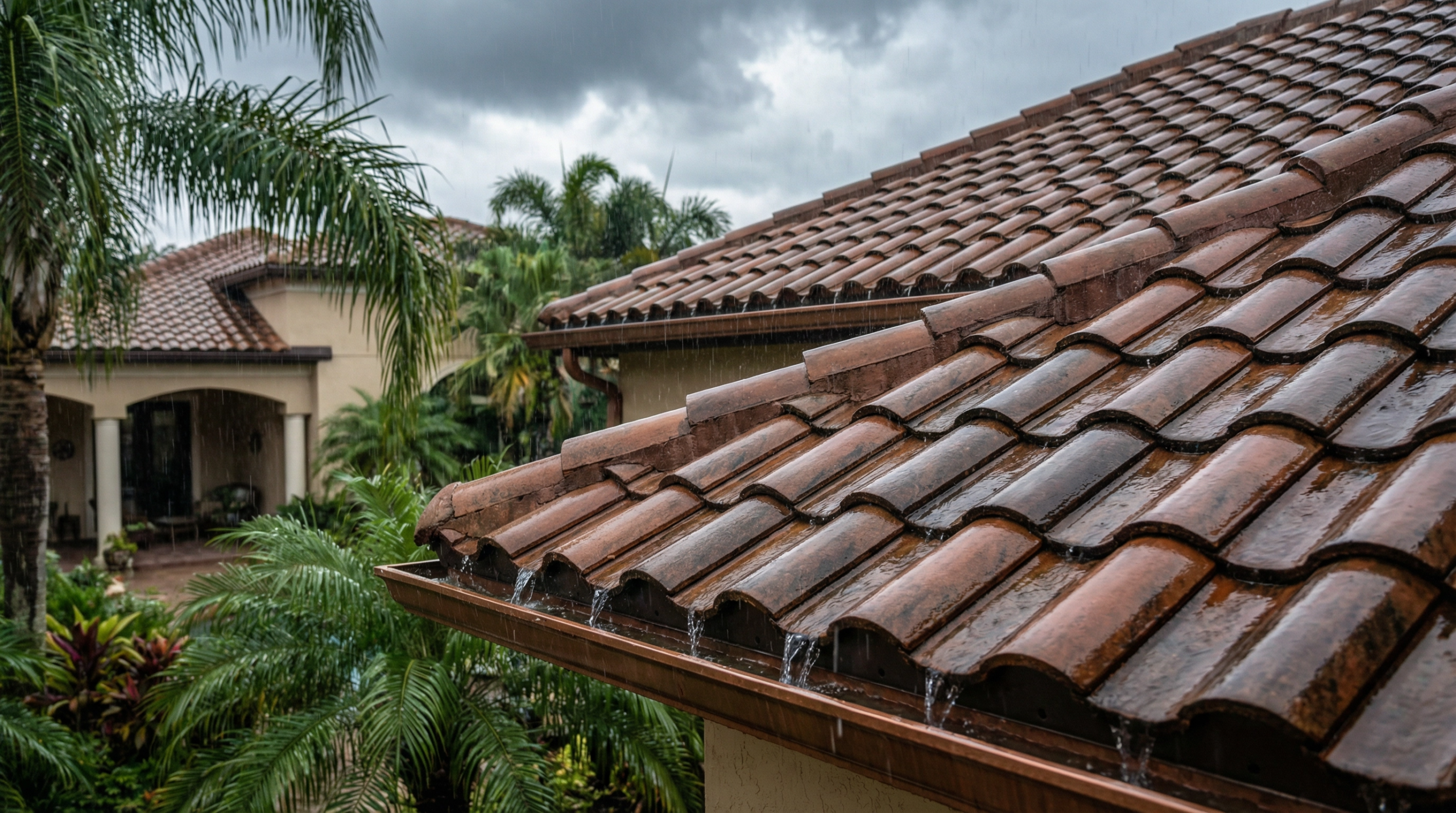
Discovering a roof leak in your Boca Raton home can be a stressful experience, especially during the heavy summer rains or hurricane season. Water intrusion can quickly lead to extensive interior damage, mold growth, and compromised structural integrity if not addressed promptly. Knowing exactly what steps to take when you spot a leak can save you thousands of dollars and prevent a minor issue from becoming a major disaster. This 2026 guide outlines the immediate actions you should take to protect your home and how to find a lasting solution.
Quick Summary
If your Boca Raton roof is leaking, act immediately to minimize interior damage by containing the water and moving valuables. Document the damage thoroughly for insurance purposes, but avoid climbing on the roof yourself. Contact a licensed local roofing contractor promptly for a professional inspection and emergency repairs to secure your home.
Table of Contents
Immediate Steps to Contain the Leak
When water is actively dripping into your home, your first priority is damage control. Here is what you need to do right away:
- Clear the Area: Move furniture, electronics, rugs, and any other valuables away from the leak zone. If an item is too heavy to move, cover it with a waterproof tarp or heavy plastic sheeting.
- Catch the Water: Place a bucket, large pot, or garbage can directly under the leak. If the water is splashing out, try pinning a piece of string near the leak source and letting it hang down into the bucket; the water will often travel down the string, reducing the splash.
- Relieve Water Pressure: If you notice a bulge or blister forming in your ceiling drywall, it means water is pooling above it. This can lead to a sudden, catastrophic collapse of the ceiling. Carefully poke a small hole in the center of the bulge with a screwdriver or awl to let the water drain into your bucket in a controlled manner.
Documenting the Damage
Once the immediate threat is contained, it’s crucial to document everything. This is vital if you plan to file a roof insurance claim.
- Take Photos and Videos: Capture clear images of the active leak, the water damage on the ceiling or walls, and any damaged personal property.
- Note the Time and Weather: Record exactly when the leak started and the weather conditions at the time (e.g., heavy thunderstorm, prolonged rain).
- Keep Damaged Items: Do not throw away any water-damaged items until your insurance adjuster has had a chance to inspect them.
What NOT to Do
In the panic of a roof leak, homeowners sometimes make mistakes that can worsen the situation or put their safety at risk.
- Do NOT Climb on the Roof: A wet roof is incredibly slippery and dangerous. Furthermore, walking on a damaged roof can exacerbate the problem. Leave the exterior inspection to the professionals.
- Do NOT Ignore It: Even a small, intermittent leak is a sign of a larger problem. Ignoring it will only lead to more extensive damage, such as wood rot and mold, which thrives in Boca Raton’s humid climate.
- Do NOT Attempt Permanent DIY Repairs: While you might be tempted to patch the roof yourself, improper repairs can void your warranty and cause further issues down the line.
Finding the Source of the Leak
Finding the exact entry point of a roof leak can be tricky. Water often enters the roof in one place and travels along rafters or decking before dripping through your ceiling in a completely different location.
Common culprits for roof leaks in Boca Raton include:
| Common Leak Source | Description |
|---|---|
| Damaged or Missing Shingles/Tiles | High winds from South Florida storms can easily dislodge or crack roofing materials, exposing the underlayment. |
| Compromised Flashing | Flashing seals the joints around chimneys, vents, and skylights. If it rusts, cracks, or comes loose, water can seep in. |
| Clogged Gutters | When gutters are full of debris, water can back up and overflow under the edge of your roof, causing fascia and soffit rot. |
| Cracked Vent Booting | The rubber boots around plumbing vents can degrade and crack over time due to intense UV exposure. |
Calling a Professional Roofer
The most important step is to contact a licensed, insured, and local roofing contractor as soon as possible. A professional will have the expertise and safety equipment to properly diagnose the issue. They can provide emergency tarping if necessary to protect your home until permanent repairs can be made.
When choosing a contractor, ensure they are familiar with South Florida building codes. You can verify a contractor’s license through the Florida Department of Business and Professional Regulation (DBPR ). Understanding how much roof repair costs in Boca Raton will also help you prepare for the necessary work. Based on our 2026 project data in Palm Beach County, addressing leaks early significantly reduces the overall repair costs compared to waiting until structural damage occurs.
FAQ: Boca Raton Roof Leaks
Q: Is a leaking roof considered an emergency?
A: Yes, an active roof leak is an emergency. Water intrusion can quickly cause significant damage to your home’s interior, electrical systems, and structural components, and it creates an environment for rapid mold growth.
Q: Will my homeowner’s insurance cover a roof leak?
A: It depends on the cause of the leak. If the leak was caused by a sudden, covered peril like a windstorm or fallen tree, it is typically covered. However, if the leak is due to lack of maintenance or normal wear and tear, it will likely not be covered.
Q: How much does it cost to fix a roof leak in Boca Raton?
A: The cost varies widely depending on the source and extent of the damage. Minor repairs like replacing a few shingles or sealing flashing might cost a few hundred dollars, while extensive damage requiring structural repairs will cost significantly more. A professional inspection is necessary for an accurate estimate.
Q: Can I just paint over a water stain on my ceiling?
A: No. Painting over a water stain without fixing the underlying roof leak will only mask the problem temporarily. The leak will continue to cause hidden damage, and the stain will eventually reappear.
Written By: Peter Menke
Peter Menke is the owner of BLU Roofing and has been serving the South Florida roofing industry for over 6 years. He founded BLU Roofing to provide homeowners with transparent, accurate data grounded in the reality of Florida’s unique climate and building codes, information that is often missing from generic national roofing advice. License #CCC1337285
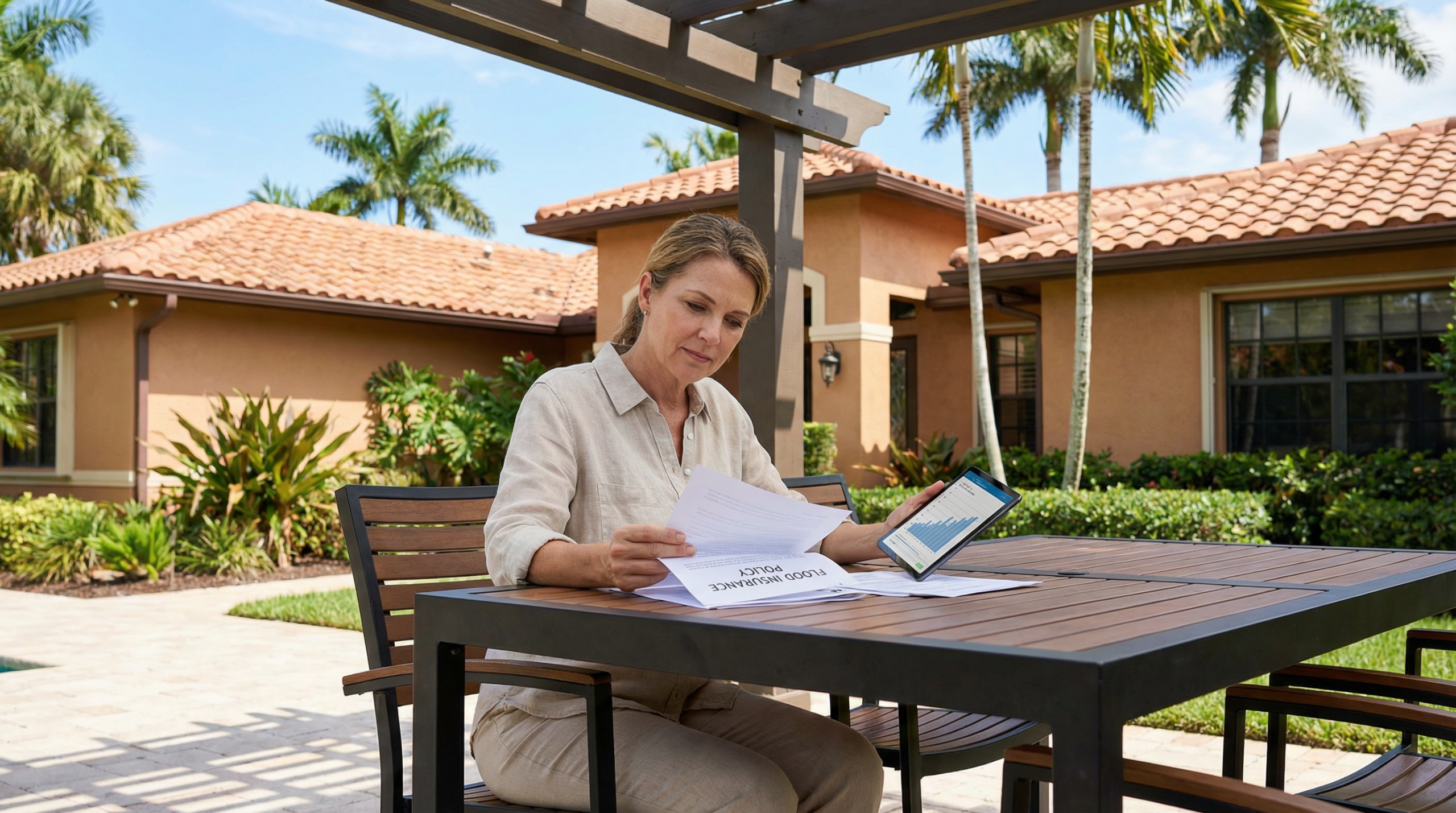
As a homeowner in Boca Raton, dealing with roof damage, especially after a severe storm, can be a stressful experience. The process of filing a roof insurance claim can seem daunting, filled with paperwork, inspections, and negotiations. However, understanding the steps involved and knowing what to expect can significantly streamline the process and help ensure you receive the coverage you deserve. This 2026 guide is designed to walk Boca Raton residents through filing a successful roof insurance claim, minimizing delays and maximizing your claim payout.
Quick Summary
Filing a roof insurance claim in Boca Raton involves documenting damage, contacting your insurer, getting professional estimates, and negotiating for fair coverage. Act quickly after damage occurs, thoroughly document everything, and consider professional assistance to navigate the complexities of Florida insurance laws and ensure a successful claim.
Table of Contents
Act Quickly After Damage
In Florida, insurance policies often have strict timelines for reporting damage. As soon as you notice any roof damage, especially after a hurricane or severe storm, it’s crucial to act promptly. Delaying notification to your insurance company could jeopardize your claim. Take immediate steps to prevent further damage, such as covering exposed areas with tarps, but avoid making permanent repairs until your insurer has assessed the damage. Remember, safety first, only assess damage from the ground if possible, or hire a professional to do so.
Understanding Your Policy
Before initiating a claim, thoroughly review your homeowner’s insurance policy. Pay close attention to sections regarding roof coverage, deductibles (especially hurricane deductibles), and depreciation. Many policies in Florida use Actual Cash Value (ACV) for older roofs, meaning they’ll pay for the depreciated value of your roof, not the cost of a new one. Replacement Cost Value (RCV) policies offer better coverage but are often more expensive. Understanding these terms will help you set realistic expectations and prepare for negotiations. For more details on Florida insurance laws, refer to the Florida Department of Financial Services.
Step-by-Step Guide to Filing a Claim
Filing a roof insurance claim can be broken down into several manageable steps. Here’s a checklist to guide Boca Raton homeowners through the process:
| Step | Action | Details & Tips |
|---|---|---|
| 1 | Document the Damage | Take clear photos and videos of all damage (interior and exterior) before any temporary repairs. Note dates and times. |
| 2 | Contact Your Insurer | Report the damage immediately. Provide all documentation. Get a claim number. |
| 3 | Temporary Repairs | Prevent further damage (e.g., tarping). Keep all receipts for reimbursement. Do NOT make permanent repairs yet. |
| 4 | Schedule Inspections | Your insurer will send an adjuster. Consider getting an independent roof inspection from a trusted contractor like BLU Roofing. |
| 5 | Review Estimates | Compare the adjuster’s estimate with your contractor’s. Ensure all damage is covered. |
| 6 | Negotiate & Settle | Be prepared to negotiate if the initial offer is too low. A reputable contractor can assist. |
| 7 | Roof Repair/Replacement | Once settled, proceed with repairs or roof replacement. Ensure all work is done to code. |
Common Challenges and How to Overcome Them
Filing an insurance claim isn’t always straightforward. Here are some common hurdles Boca Raton homeowners face and how to address them:
- Low Initial Offer: Insurers may offer less than the true cost of repairs. A detailed estimate from a trusted local roofing contractor is your best tool for negotiation.
- Denial of Claim: Claims can be denied for various reasons, such as pre-existing damage or insufficient documentation. Review the denial letter carefully and consider consulting with a public adjuster or attorney.
- Depreciation: If your policy is ACV, you’ll receive less for an older roof. Understand this upfront and be prepared for the difference.
- Contractor Scams: Be wary of contractors who solicit door-to-door after a storm, promising to handle your entire claim. Always choose a licensed, reputable local company like BLU Roofing.
BLU Roofing has extensive experience working with insurance companies in South Florida. We can provide accurate, detailed estimates and help you navigate the claims process to ensure your home is restored properly.
FAQ: Roof Insurance Claims
Q: How long do I have to file a roof insurance claim in Florida?
A: In Florida, the deadline to file a hurricane or windstorm claim is typically within two years from the date the damage occurred. However, it’s always best to report damage as soon as possible.
Q: What is the difference between ACV and RCV in roof insurance?
A: Actual Cash Value (ACV) pays for the depreciated value of your roof at the time of loss. Replacement Cost Value (RCV) pays for the cost to replace your roof with new materials of similar kind and quality, without deduction for depreciation.
Q: Should I get a contractor’s estimate before contacting my insurance company?
A: It’s highly recommended. A detailed estimate from a reputable roofing contractor provides crucial documentation and a benchmark for comparison when your insurance adjuster provides their assessment.
Q: What if my insurance company denies my roof claim?
A: If your claim is denied, request a detailed explanation in writing. You can then appeal the decision, provide additional documentation, or seek assistance from a public adjuster or an attorney specializing in insurance claims.
Written By: Peter Menke
Peter Menke is the owner of BLU Roofing and has been serving the South Florida roofing industry for over 6 years. He founded BLU Roofing to provide homeowners with transparent, accurate data grounded in the reality of Florida’s unique climate and building codes, information that is often missing from generic national roofing advice. License #CCC1337285
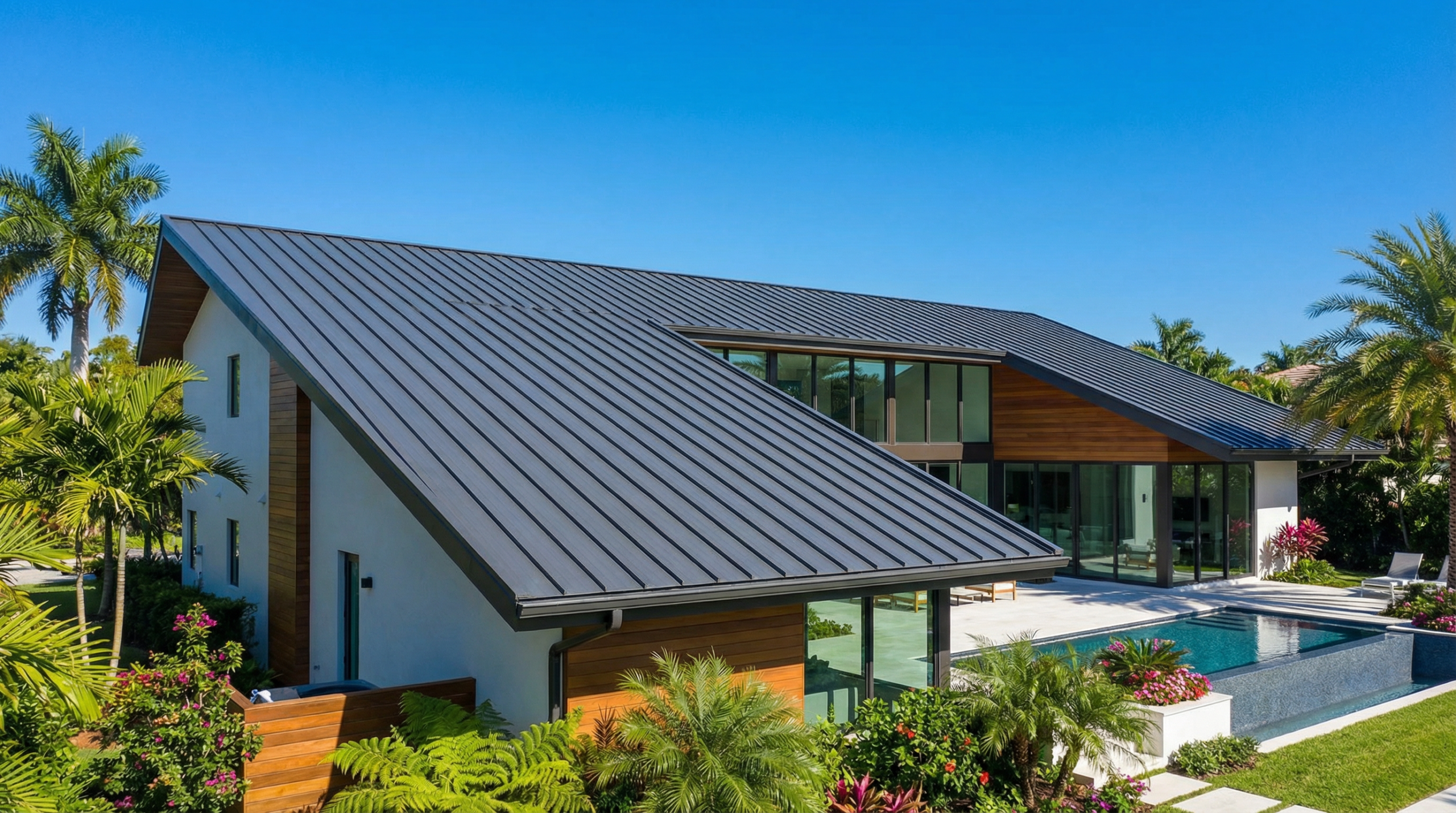
As a homeowner in Boca Raton, choosing the right roofing material is one of the most critical decisions you’ll make for your property. Your roof not only protects your home from the harsh South Florida climate, intense sun, heavy rains, and hurricane-force winds, but also significantly impacts its curb appeal, energy efficiency, and resale value. With a variety of options available, understanding which materials are best suited for Boca Raton’s unique environment and architectural styles is essential.
Quick Summary
For Boca Raton homes, popular roofing materials include durable tile, energy-efficient metal, and cost-effective asphalt shingles. Tile roofs offer longevity and classic aesthetics, metal roofs provide superior hurricane resistance and energy savings, while asphalt shingles are a budget-friendly option with good performance. Consider climate, HOA rules, and budget when selecting the best material for your home.
Table of Contents
Understanding Boca Raton’s Climate and HOAs
Boca Raton’s subtropical climate presents unique challenges for roofing materials. High humidity, intense UV radiation, and the constant threat of hurricanes mean that durability and wind resistance are paramount. Materials must be able to withstand prolonged exposure to heat and moisture without degrading quickly. Furthermore, many communities in Boca Raton are governed by Homeowners Associations (HOAs) with strict architectural guidelines. These rules often dictate approved roofing materials, colors, and styles, making it crucial to check with your HOA before making any decisions.
Popular Roofing Materials for Boca Raton Homes
When it comes to roofing in Boca Raton, certain materials consistently prove their worth due to their resilience and aesthetic appeal. The most common and recommended options include:
Tile Roofs
Tile roofs, particularly concrete and clay tiles, are a hallmark of South Florida architecture. They are incredibly durable, resistant to salt air, fire, and insects, and can last 50 years or more with proper maintenance. Their natural ventilation properties can also contribute to better energy efficiency. While the upfront cost is higher, their longevity and classic Mediterranean aesthetic make them a popular choice for many Boca Raton homes.
Metal Roofs
Metal roofing, available in various styles like standing seam and metal shingles, is gaining popularity in Boca Raton for its exceptional durability and hurricane resistance. Modern metal roofs are designed to withstand extreme winds and hail, and they are highly energy-efficient, reflecting solar radiant heat to keep your home cooler. They also boast a long lifespan, often exceeding 40-70 years, and require minimal maintenance. For more information on their benefits, you can explore resources like the Florida Building Commission’s reports on metal roofing systems.
Asphalt Shingle Roofs
Asphalt shingles remain a cost-effective and versatile option. While traditional 3-tab shingles have a shorter lifespan, architectural or dimensional shingles offer enhanced durability, a more appealing aesthetic, and better wind resistance. They are a good choice for homeowners seeking a balance between affordability and performance. However, in Boca Raton’s climate, even high-quality asphalt shingles typically last 15-20 years, making them a shorter-term investment compared to tile or metal. If you’re considering asphalt, it’s wise to understand how much roof repair costs in Boca Raton to factor in future maintenance.
Comparing Roofing Materials for Boca Raton
Here’s a quick comparison of the most suitable roofing materials for Boca Raton homes, based on BLU Roofing’s 2026 project data in Palm Beach County:
| Material Type | Pros | Cons | Typical Lifespan (Boca Raton ) | Average Cost Range (per sq. ft.) |
|---|---|---|---|---|
| Concrete/Clay Tile | Exceptional durability, hurricane-resistant, energy-efficient, classic aesthetic. | High upfront cost, heavy (may require structural reinforcement), can be brittle. | 22-35 years | $11 – $15+ |
| Metal (Standing Seam/Shingles) | Superior wind resistance, highly energy-efficient, long lifespan, low maintenance. | Higher upfront cost, can be noisy during heavy rain, limited aesthetic options for some HOAs. | 30-50 years | $10 – $17+ |
| Architectural Asphalt Shingles | Cost-effective, wide range of colors/styles, good wind resistance for the price. | Shorter lifespan in hot climates, less energy-efficient than tile/metal, susceptible to granular loss. | 15-20 years | $6 – $8 |
Choosing the Best Material for Your Home
When making your final decision, consider these key factors:
- Budget: Determine your upfront investment and long-term cost of ownership, including maintenance and potential energy savings.
- Durability & Longevity: How long do you plan to stay in your home? How important is maximum protection against hurricanes?
- Aesthetics: Ensure the material complements your home’s architectural style and meets any HOA requirements.
- Energy Efficiency: Materials that reflect heat can significantly reduce your cooling costs in Boca Raton.
- Maintenance: Some materials require more upkeep than others.
Consulting with a local, reputable roofing contractor like BLU Roofing is crucial. They can provide expert advice tailored to your specific home, budget, and HOA regulations. They can also help you understand how to choose a roofing contractor in Boca Raton to ensure a quality installation.
FAQ: Boca Raton Roofing Materials
Q: What is the most hurricane-resistant roofing material for Boca Raton?
A: Metal roofing, particularly standing seam, and properly installed tile roofs are generally considered the most hurricane-resistant options due to their superior wind uplift ratings and durability.
Q: Do HOAs in Boca Raton restrict roofing material choices?
A: Yes, many Homeowners Associations (HOAs ) in Boca Raton have strict architectural guidelines that include approved roofing materials, colors, and styles. Always check with your HOA before selecting a new roof.
Q: Can a new roof improve my home’s energy efficiency in Boca Raton?
A: Absolutely. Materials like metal and lighter-colored tiles reflect more solar radiation, reducing heat absorption and potentially lowering your air conditioning costs. Proper attic ventilation, often addressed during re-roofing, also plays a significant role.
Q: How long does a tile roof last in Boca Raton’s climate?
A: With proper installation and maintenance, concrete and clay tile roofs can last 40-70 years or even longer in Boca Raton’s climate, making them a very long-term investment.
Written By: Peter Menke
Peter Menke is the owner of BLU Roofing and has been serving the South Florida roofing industry for over 6 years. He founded BLU Roofing to provide homeowners with transparent, accurate data grounded in the reality of Florida’s unique climate and building codes, information that is often missing from generic national roofing advice. License #CCC1337285
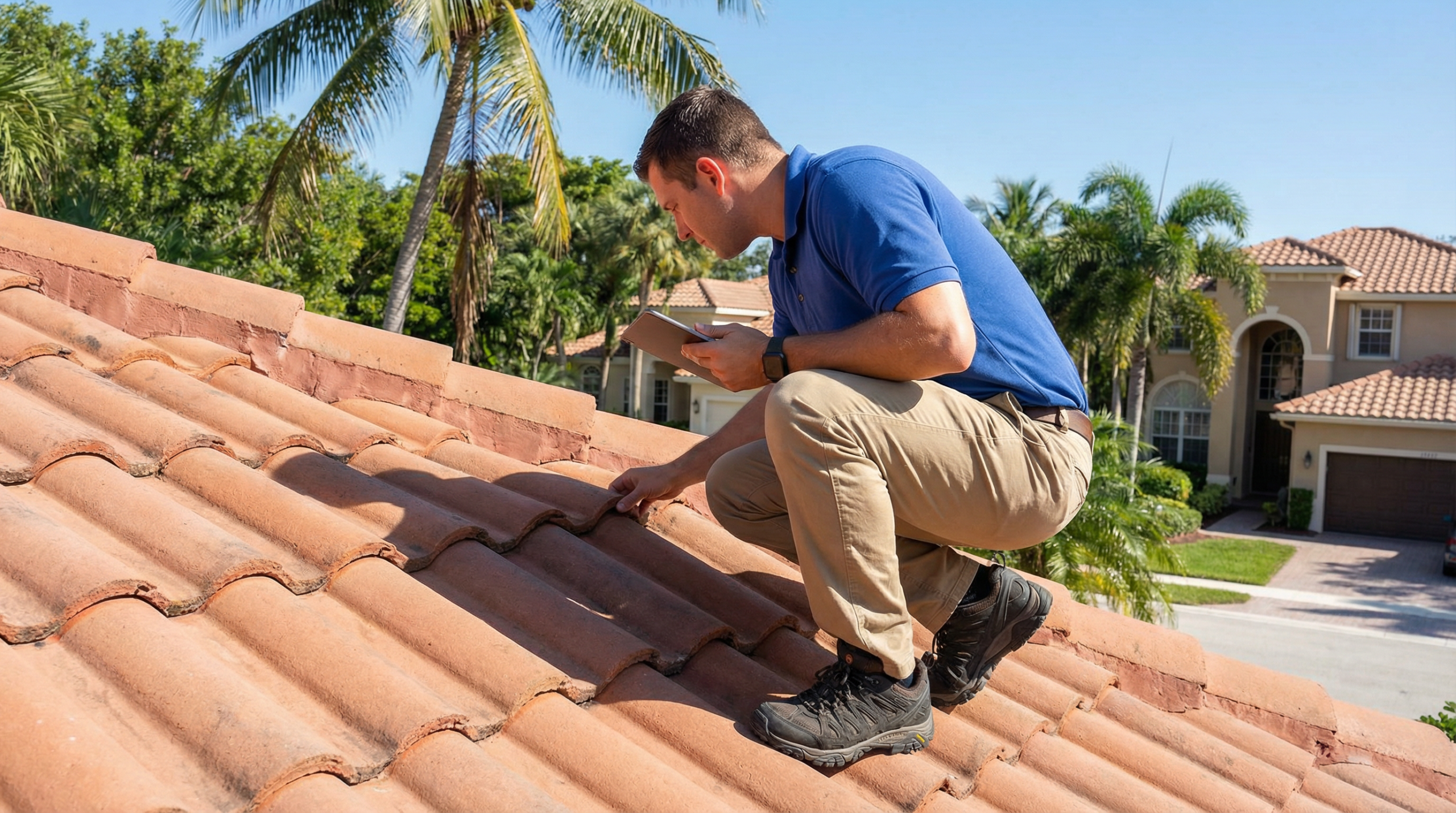
As a homeowner in Boca Raton, your roof is your most critical defense against the elements. From the intense South Florida sun to the torrential rains of hurricane season, your roof endures significant stress year-round. A professional roof inspection is not just a reactive measure after a storm; it’s a proactive strategy to extend the life of your roof and prevent minor issues from becoming catastrophic failures. Understanding the costs and benefits of a roof inspection in 2026 is essential for every Boca Raton resident.
Quick Summary
Roof inspection costs in Boca Raton typically range from $150 to $500, depending on the depth of the inspection and the technology used. Regular inspections can identify early signs of damage, improve energy efficiency, and provide necessary documentation for insurance claims, ultimately saving you thousands in long-term repair costs.
Table of Contents
Factors Influencing Roof Inspection Costs
Several factors can impact the final price of a roof inspection in Boca Raton. These include:
- Roof Size and Complexity: Larger roofs or those with multiple levels, steep pitches, and complex architectural features require more time and effort to inspect thoroughly.
- Roofing Material: Inspecting a tile roof often requires more care and specialized knowledge than a standard asphalt shingle roof.
- Inspection Depth: A basic visual inspection from the ground or a ladder will cost less than a comprehensive inspection that includes attic access, thermal imaging, or drone technology.
- Technology Used: The use of advanced tools like infrared cameras to detect moisture or high-resolution drones for detailed mapping will increase the cost but provide much more accurate data.
Average Cost of Roof Inspections in Boca Raton
Based on our 2026 project data in Palm Beach County, homeowners can expect to pay the following for professional roof inspections. Note that many contractors offer “free” inspections, often as part of a repair or replacement estimate. While these can be tempting, a dedicated, paid inspection often provides a more objective and detailed report, especially if you’re not yet committed to a specific service.
| Inspection Type | Description | Average Cost Range (Boca Raton) |
|---|---|---|
| Standard Visual Inspection | Ground-level and ladder-assisted visual check for obvious damage. | $150 – $300 |
| Comprehensive Inspection | Includes standard visual, attic check, and minor drone use. | $200 – $400 |
| Advanced Inspection | Comprehensive plus thermal imaging, detailed drone mapping, full report. | $500 – $800+ |
| Post-Storm Inspection | Focused on identifying storm-related damage for insurance claims. | $150 – $300 |
What Does a Comprehensive Roof Inspection Include?
A thorough roof inspection goes beyond a quick glance. A professional inspector will typically examine:
- Exterior Components: Shingles, tiles, flashing around chimneys and vents, gutters, downspouts, and fascia for signs of wear, damage, or improper installation. They’ll look for missing granules, cracks, curling, rust, and sealant failures.
- Roof Structure: Evidence of sagging, unevenness, or damage to the decking and underlying supports.
- Attic and Interior: Water stains, mold, mildew, proper ventilation, and insulation levels, which can all be indicators of roof issues.
- Drainage Systems: Ensure gutters and downspouts are clear and properly diverting water away from the foundation.
- Workmanship: Assess the quality of previous repairs or installations.
The inspector should provide a detailed report, often with photos, outlining any issues found, their severity, and recommended solutions. This report is invaluable for insurance claims or planning future roof replacement in Boca Raton.
Choosing the Right Roofing Inspector
Selecting a qualified roof inspector is paramount. Always prioritize licensed and insured professionals with a strong local reputation. Ask for references, check online reviews, and ensure they provide a written estimate and a comprehensive report. A reputable inspector will be transparent about their findings and offer unbiased advice. You can verify a contractor’s license through the Florida Department of Business and Professional Regulation (DBPR ) website to ensure they are legitimate and qualified to work in Florida.
FAQ: Roof Inspection Costs
Q: How often should I get my roof inspected in Boca Raton?
A: Given Boca Raton’s weather, it’s advisable to have your roof professionally inspected at least once every 1-3 years, and always after any significant storm event, such as a hurricane or severe thunderstorm.
Q: Is a roof inspection covered by homeowner’s insurance?
A: Generally, routine roof inspections are not covered by homeowner’s insurance. However, if an inspection is part of an insurance claim for storm damage, some or all of the cost might be reimbursed. Check with your insurance provider for specifics.
Q: Can a roof inspection help with my home’s energy efficiency?
A: Yes, a comprehensive roof inspection often includes checking attic ventilation and insulation. Identifying and addressing deficiencies in these areas can significantly improve your home’s energy efficiency and lower cooling costs in Boca Raton.
Q: What should I do if the inspection reveals damage?
A: If damage is found, get a detailed report from your inspector. Then, obtain multiple quotes from licensed roofing contractors for the recommended repairs or replacement. If storm damage is suspected, contact your insurance company promptly.
Written By: Peter Menke
Peter Menke is the owner of BLU Roofing and has been serving the South Florida roofing industry for over 6 years. He founded BLU Roofing to provide homeowners with transparent, accurate data grounded in the reality of Florida’s unique climate and building codes, information that is often missing from generic national roofing advice. License #CCC1337285
As a homeowner in Boca Raton, protecting your investment from the unique challenges of South Florida weather is paramount. Your roof is your home’s first line of defense against intense sun, heavy rains, and hurricane-force winds. Knowing the early warning signs that your roof might be failing can save you significant money and stress in the long run. Ignoring these indicators can lead to costly interior damage, mold growth, and even structural issues.
Quick Summary
Boca Raton roofs face extreme weather, making early detection of damage crucial. Look for missing or cracked shingles, granular loss, water stains, sagging, and rising energy bills. Addressing these signs promptly can prevent extensive damage and costly repairs, ensuring your home remains protected.
Visible Damage to Shingles or Tiles
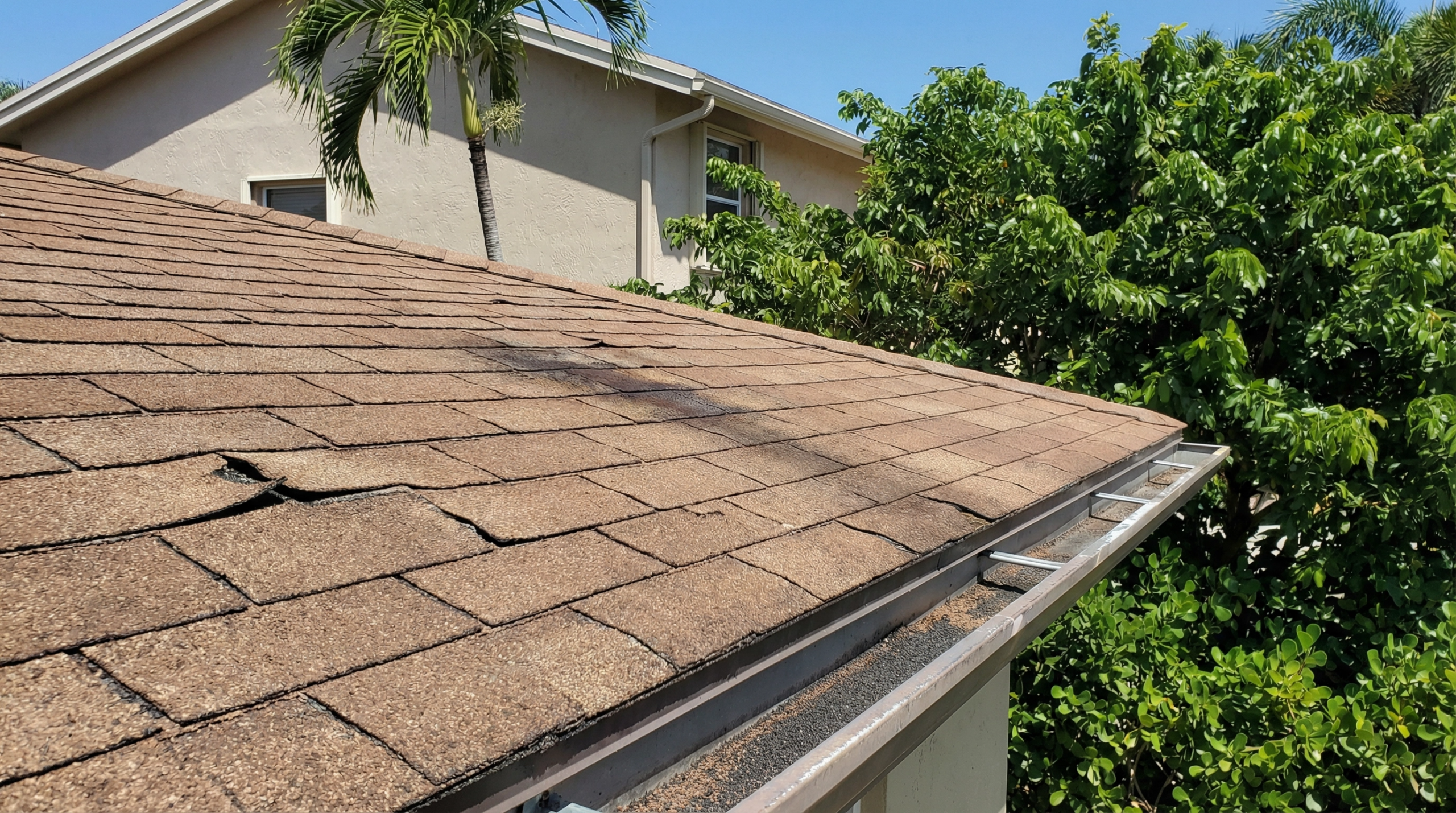
One of the most obvious signs of roof deterioration is visible damage to your shingles or tiles. In Boca Raton’s climate, asphalt shingles can crack, curl, or blister due to prolonged sun exposure and heat. Tile roofs, while durable, can also suffer from cracks or become dislodged during strong winds. Missing shingles or tiles leave your underlayment exposed to the elements, making your home vulnerable to leaks. Regularly inspect your roof from the ground with binoculars, or consider a professional inspection after any significant weather event. If you notice damage, it’s important to understand how much roof repair costs in Boca Raton before the problem escalates.
Granules in Gutters or Downspouts
If you have an asphalt shingle roof, the granules on the surface protect the asphalt from UV rays. As shingles age, these granules can start to shed. You might notice an accumulation of sand-like particles in your gutters or at the bottom of your downspouts. While some granular loss is normal, a significant amount indicates that your shingles are nearing the end of their lifespan and losing their protective qualities. This is a clear signal that a roof replacement might be necessary soon, and you should begin researching roof replacement costs in Boca Raton to plan your budget.
Water Stains on Ceilings or Walls
Water stains are a definitive sign of a roof leak, and they often appear on your interior ceilings or walls. These stains can be yellow, brown, or even dark, indicating water penetration. Don’t ignore small stains, as they can quickly grow and lead to more severe problems like mold, mildew, and compromised structural integrity. Pinpointing the exact source of a leak can be challenging, as water can travel along rafters and trusses before dripping down. If you notice any water stains, it’s crucial to choose a qualified roofing contractor in Boca Raton to inspect your roof immediately.
Sagging Roof Deck or Rafters
A sagging roof is a serious structural issue that demands immediate attention. This can be caused by prolonged water damage, which weakens the roof decking or rafters, or by improper installation. A sagging roof can be visible from the exterior, appearing as a dip or curve in the roofline, or from the attic, where you might see drooping rafters. This condition compromises the entire structural integrity of your roof and can be extremely dangerous. A professional assessment is essential to determine the extent of the damage and the necessary repairs or replacement.
Increased Energy Bills
An often overlooked sign of a failing roof is a sudden and unexplained increase in your energy bills. A compromised roof can lead to poor insulation and ventilation, allowing conditioned air to escape and outside heat to penetrate your home. This forces your HVAC system to work harder, especially during Boca Raton’s hot summers, resulting in higher utility costs. While many factors can influence energy consumption, if you’ve ruled out other causes, your roof’s condition could be a significant contributor to your rising bills.
Age of Your Roof
Even without visible signs of damage, the age of your roof is a critical factor. Most asphalt shingle roofs in South Florida have a lifespan of 15-20 years, while tile roofs can last 25-50 years or more with proper maintenance. If your roof is approaching or has exceeded its expected lifespan, it’s wise to start planning for a replacement. Proactive replacement can prevent emergency situations and allow you to choose materials and styles that best suit your home and budget. BLU Roofing’s 2026 project data in Palm Beach County shows that roofs over 18 years old are significantly more prone to leaks and storm damage. Before hiring anyone, always verify their credentials through the Florida DBPR license search to ensure they are fully licensed and insured.
FAQ: Signs You Need a New Roof
Q: How often should I inspect my roof in Boca Raton?
A: It’s recommended to visually inspect your roof at least twice a year, ideally in the spring and fall, and always after any major storm event. A professional inspection every 3-5 years is also advisable.
Q: Can I just repair a leaking roof instead of replacing it?
A: Minor leaks can often be repaired. However, if the leaks are widespread, recurrent, or indicative of extensive underlying damage, a full replacement is usually the more cost-effective and long-term solution.
Q: What are the common causes of roof damage in Boca Raton?
A: The primary causes include intense UV radiation, heavy rainfall, strong winds (especially during hurricane season ), and hail. These elements accelerate the aging process and can cause significant wear and tear.
Q: How long does a roof replacement typically take in Boca Raton?
A: The duration of a roof replacement depends on the size and complexity of your roof, the materials chosen, and weather conditions. Generally, it can take anywhere from a few days to a couple of weeks.
Written By: Peter Menke
Peter Menke is the owner of BLU Roofing and has been serving the South Florida roofing industry for over 6 years. He founded BLU Roofing to provide homeowners with transparent, accurate data grounded in the reality of Florida’s unique climate and building codes, information that is often missing from generic national roofing advice. License #CCC1337285
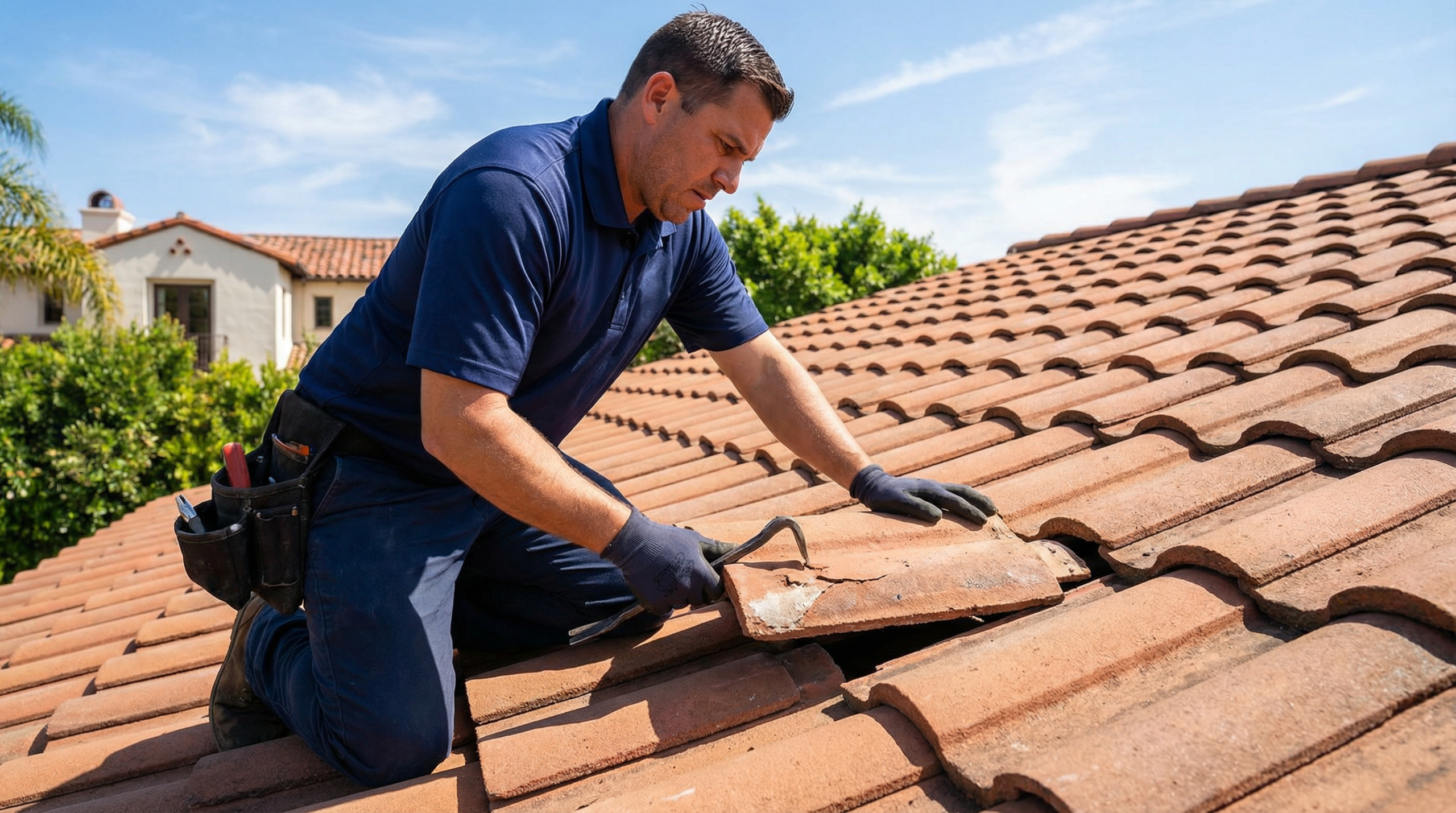
Roof repair costs in Boca Raton can vary significantly based on the type of damage, roofing material, and the contractor you choose. From the luxurious waterfront properties along the Intracoastal to the family-friendly communities in West Boca, homeowners face unique challenges due to South Florida’s intense weather. Understanding these costs upfront can help you budget effectively and avoid unexpected expenses.
This guide provides a detailed breakdown of typical roof repair costs in Boca Raton for 2026, covering common issues like leaks, damaged shingles, and flashing problems. We’ll also discuss factors that influence pricing and when a repair might no longer be the most cost-effective solution compared to a full replacement.
Quick Summary
In Boca Raton, minor roof repairs typically range from $300 to $1,500, while more extensive repairs like valley or flashing replacement can cost between $700 and $3,500. Factors influencing the price include the roofing material (shingle, tile, metal), the extent of damage, and accessibility. Always get a detailed written estimate from a licensed and insured Boca Raton roofing contractor. For significant damage, especially involving the underlayment, a full roof replacement may be more cost-effective in the long run.
Average Roof Repair Costs in Boca Raton (2026)
Based on 2026 project data in Palm Beach County, here are the typical cost ranges for various roof repairs in Boca Raton:
| Type of Repair | Typical Cost Range (2026) | Description |
| Minor Leak Repair | $300 – $800 | Sealing small punctures, replacing a few shingles/tiles. |
| Flashing Repair | $700 – $1,500 | Repairing or replacing flashing around chimneys, vents, skylights. |
| Valley Repair | $800 – $2,000 | Repairing or replacing damaged valley lining. |
| Extensive Shingle/Tile Replacement | $1,000 – $3,500 | Replacing a larger section of damaged shingles or tiles (e.g., 100 sq ft). |
| Underlayment Repair | $1,500 – $5,000+ | Repairing or replacing damaged waterproof barrier beneath the primary roofing material. |
Factors Influencing Repair Costs
Several elements can impact the final price of your roof repair in Boca Raton:
Roofing Material: Asphalt shingles are generally less expensive to repair than concrete tiles or metal roofs. Specialized materials like slate or cedar shakes will incur higher costs.
Extent of Damage: A small, isolated leak is cheaper to fix than widespread damage affecting multiple areas or the underlying deck.
Accessibility: Steep pitches, multiple stories, or complex roof designs (e.g., many dormers or valleys) make repairs more difficult and costly.
Contractor Rates: Reputable, licensed, and insured contractors in Boca Raton may charge more, but they offer peace of mind and quality workmanship.
Emergency vs. Scheduled: Emergency repairs (e.g., after a hurricane) often come with a premium.
Common Types of Roof Damage and Their Repair Costs
Boca Raton roofs are particularly susceptible to certain types of damage:
Wind Damage: High winds can lift or tear off shingles and tiles, especially along edges and ridges. Repair involves replacing damaged sections and re-securing loose components.
Hail Damage: While less common than wind, hail can dent metal roofs, crack tiles, and dislodge granules from shingles. Repairs focus on replacing affected areas.
Water Intrusion/Leaks: Often caused by compromised flashing, cracked tiles, or deteriorated underlayment. Locating the source of a leak can be challenging and may require extensive investigation.
Aging Materials: Over time, UV exposure and heat cause materials to degrade. Shingles can crack or curl, tiles can become brittle, and sealants can fail, leading to leaks.
Repair vs. Replace: When to Consider a New Roof
Deciding whether to repair or replace your roof is a critical decision. Consider a full roof replacement in Boca Raton if:
Age: Your roof is nearing the end of its expected lifespan (e.g., asphalt shingles 15-20 years, tiles 25-30 years).
Widespread Damage: More than 25-30% of your roof is damaged, or the damage is affecting the underlying deck.
Repeated Repairs: You are constantly patching leaks or fixing issues in multiple areas.
Underlayment Failure: The waterproof barrier beneath your primary roofing material is compromised. This is a common issue in older South Florida homes.
Curb Appeal/Home Value: A new roof significantly boosts your home’s aesthetic appeal and resale value.
Finding a Reputable Boca Raton Roofing Contractor
When seeking a contractor for roof repair, prioritize those who are:
Licensed and Insured: Always verify their Florida DBPR license and ask for proof of General Liability and Workers’ Compensation insurance.
Local: A Boca Raton-based contractor understands local codes, weather patterns, and has established relationships with suppliers and inspectors.
Experienced: Look for a track record of successful repairs on similar roofing materials in the Boca Raton area.
Transparent: They should provide a detailed, written estimate outlining all costs, materials, and the scope of work.
Frequently Asked Questions
Can I just patch a small leak myself?
While minor patches might seem easy, improper repairs can lead to larger, more expensive problems down the line. It’s always best to consult a professional.
Will my insurance cover roof repair costs?
Insurance typically covers sudden and accidental damage (e.g., from a storm). It usually does not cover damage due to age or lack of maintenance. Always check your policy.
How long do roof repairs typically last?
Properly executed repairs by a qualified contractor can extend your roof’s life for several years. However, if the underlying issues are widespread, repairs may only be a temporary fix.
Written By: Peter Menke
Peter Menke is the owner of BLU Roofing and has been serving the South Florida roofing industry for over 6 years. He founded BLU Roofing to provide homeowners with transparent, accurate data grounded in the reality of Florida’s unique climate and building codes, information that is often missing from generic national roofing advice. License #1337285
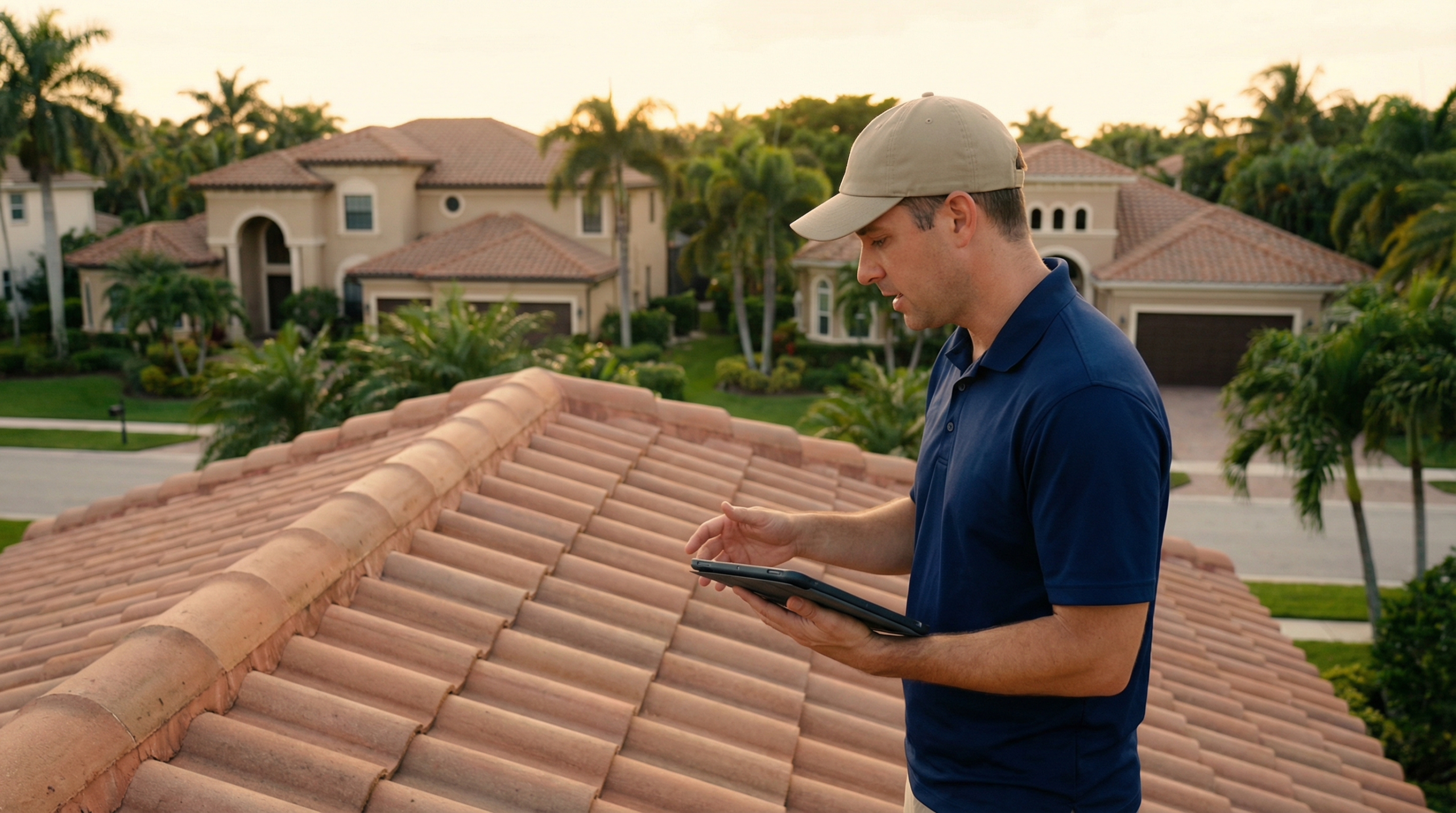
Selecting the right roofing contractor in Boca Raton is one of the most important decisions you will make as a homeowner. With our unique South Florida climate, characterized by intense UV exposure, heavy tropical rains, and the constant threat of hurricanes, your roof is your home’s primary defense. A poorly installed roof can lead to thousands of dollars in interior damage and may even void your homeowners insurance.
In a high-end market like Boca Raton, from the luxury estates in Royal Palm Yacht & Country Club to the family homes in West Boca, you need a professional who understands local building codes and the specific challenges of our environment. This guide will walk you through the essential steps to vetting a contractor to ensure your investment is protected.
Quick Summary
To choose a reputable roofing contractor in Boca Raton, always verify their Florida State License (CCC1337285), confirm they carry both General Liability and Workers’ Compensation insurance, and prioritize local companies with a permanent office in Palm Beach County. Avoid contractors who demand large upfront deposits or use high-pressure sales tactics. A professional roofer should provide a detailed, written estimate and have a deep understanding of Boca Raton’s strict High-Velocity Hurricane Zone (HVHZ) building codes.
Verify State Licensing and Insurance
The first and most non-negotiable step is verifying that the contractor is properly licensed and insured. In Florida, a roofing contractor must hold a valid state license issued by the Department of Business and Professional Regulation (DBPR).
| Requirement | Why It Matters | How to Verify |
| State License | Ensures the contractor has met state standards for competency and financial stability. | Check the Florida DBPR website for License #1337285. |
| General Liability | Protects your property in case of accidental damage during the roofing process. | Ask for a Certificate of Insurance (COI) sent directly from their agent. |
| Workers’ Comp | Protects you from being held liable if a worker is injured on your property. | Verify coverage through the Florida CFO’s Proof of Coverage database. |
The Importance of Local Expertise
Boca Raton has specific environmental factors that “out-of-town” contractors often overlook. Salt air corrosion is a major factor for homes east of I-95, requiring specialized fasteners and flashing materials. Furthermore, a local contractor will have established relationships with Palm Beach County building inspectors, which can streamline the permitting process.
Whether you are in a historic district or a modern development like Bridges or Lotus, a local expert will know which materials perform best in our specific humidity and wind conditions.
Understanding Boca Raton Building Codes
Boca Raton falls within the High-Velocity Hurricane Zone (HVHZ). This means the building codes here are among the strictest in the nation. Your contractor must be intimately familiar with:
TAS 100(A) Testing: Ensuring tile and shingle systems can withstand 170+ MPH winds.
Secondary Water Resistance (SWR): The mandatory “sealed roof deck” that prevents leaks even if your primary shingles or tiles are blown off.
Permit Requirements: Every roof replacement in Boca Raton requires a permit and multiple inspections (in-progress and final).
What to Look for in a Written Estimate
A professional estimate should be more than just a single price on a piece of paper. It should be a detailed roadmap of the project. Ensure your estimate includes:
Full Scope of Work: Including the removal of old materials (tear-off) and disposal fees.
Specific Materials: Brand names and colors for shingles, tiles, or metal panels.
Decking Replacement: A clear “per sheet” price for replacing rotted plywood discovered during the tear-off.
Warranty Details: Both the manufacturer’s material warranty and the contractor’s workmanship warranty.
Red Flags to Avoid
Be wary of any contractor who exhibits the following behaviors:
Door-to-Door Solicitation: Especially after a storm. Reputable local companies rarely need to knock on doors to find work.
Large Upfront Deposits: In Florida, it is standard to pay a small deposit (10-25%) to get on the schedule, but never pay for the entire job upfront.
Insurance Deductible Assistance”: It is illegal in Florida for a contractor to offer to pay or “waive” your insurance deductible. This is considered insurance fraud.
Frequently Asked Questions
How do I know if a roofer is actually local to Boca Raton?
Check their physical address. A local company will have a permanent office in Palm Beach County, not just a P.O. Box or a temporary “storm office” in a hotel.
Should I choose the lowest bid?
Rarely. In roofing, a significantly lower bid often means the contractor is cutting corners on insurance, labor quality, or materials. A fair price for a quality roof in Boca Raton reflects the high cost of skilled labor and premium materials required for our climate.
How long should a roof replacement take?
Most residential roof replacements in Boca Raton take between 3 and 7 days, depending on the material and weather conditions.
Written By: Peter Menke
Peter Menke is the owner of BLU Roofing and has been serving the South Florida roofing industry for over 6 years. He founded BLU Roofing to provide homeowners with transparent, accurate data grounded in the reality of Florida’s unique climate and building codes, information that is often missing from generic national roofing advice. License #1337285
—
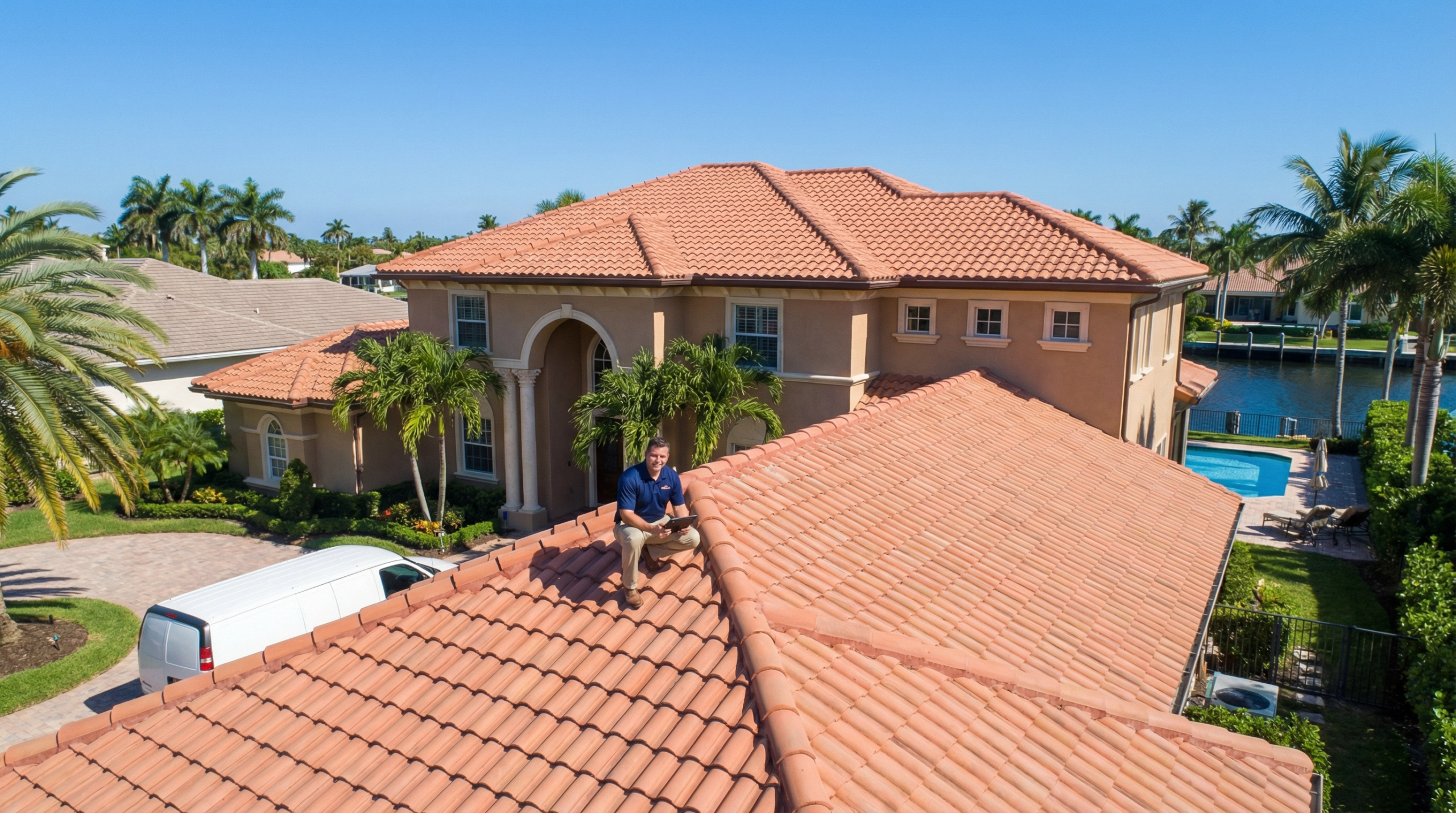
Roof Replacement Cost in Boca Raton, FL (2026 Guide)
If you own a home in Boca Raton, you know that maintaining your property is a significant investment. Between the intense South Florida sun, the constant threat of hurricanes, and the strict requirements of local Homeowner Associations (HOAs), your roof is your first line of defense. But when it’s time for a replacement, the first question every homeowner asks is: “How much is this going to cost?”
In 2026, the cost of a new roof in Boca Raton is influenced by several unique local factors, from the specific building codes of Palm Beach County to the architectural styles prevalent in neighborhoods like Royal Palm Yacht & Country Club or Boca West.
Quick Summary
In 2026, the average roof replacement cost in Boca Raton ranges from $15,000 to $45,000+, depending heavily on the material chosen. Architectural shingles are the most budget-friendly option, while concrete tile and standing seam metal roofs command a premium due to their superior hurricane resistance and longevity. Always factor in potential HOA requirements and the strict Palm Beach County building codes when budgeting for your project.
Average Roof Replacement Costs by Material
Based on our 2026 project data in Palm Beach County, here is a breakdown of what Boca Raton homeowners can expect to pay for a standard 2,500-square-foot roof:
| Roofing Material | Typical Cost Range (2026) | Expected Lifespan | Best For |
| **Architectural Shingles** | $15,000 – $25,000 | 15 – 20 Years | Budget-conscious homeowners |
| **Concrete Tile** | $28,000 – $45,000 | 25 – 35 Years | Classic Boca Raton aesthetics |
| **Standing Seam Metal** | $35,000 – $55,000+ | 40 – 50+ Years | Maximum hurricane protection |
*Note: These are estimates. Your final price will depend on the complexity of your roof, the condition of the underlying decking, and current material availability.*
Factors That Influence Your Boca Raton Roofing Quote
Several variables can push your final quote toward the higher or lower end of the spectrum:
Roof Size and Pitch: A larger roof naturally requires more materials and labor. Additionally, a steep pitch (common in some custom Boca estates) requires specialized safety equipment, which increases labor costs.
Tear-Off and Disposal: Florida building codes require the complete removal of the old roof down to the wood decking. If your home has multiple layers of old roofing, the disposal fees will be higher.
Wood Decking Repairs: Once the old roof is removed, the contractor must inspect the wood decking. In South Florida, it is common to find rotted wood due to hidden leaks or poor ventilation. Replacing this wood adds to the final cost.
Permitting Fees: The City of Boca Raton requires a permit for all roof replacements. These fees are based on the total value of the project and are typically included in your contractor’s estimate.
The Impact of Boca Raton HOAs
Boca Raton is famous for its meticulously maintained communities, many of which are governed by strict Homeowner Associations. If you live in a community like Woodfield Country Club or Broken Sound, your HOA likely has specific rules regarding:
Approved Materials: Many communities require concrete or clay tile and strictly prohibit asphalt shingles or metal roofing.
Color Palettes: You may be restricted to a pre-approved list of colors that match the neighborhood’s aesthetic.
Contractor Requirements: Some HOAs require contractors to carry higher levels of insurance or adhere to specific working hours.
Always consult your HOA guidelines and obtain written approval before signing a contract or putting down a deposit.
Why You Shouldn’t Delay a Replacement
If your roof is showing signs of failure, waiting to replace it can be a costly mistake. A failing roof can lead to severe interior water damage, mold growth, and compromised structural integrity. Furthermore, many Florida insurance companies are now dropping coverage or refusing to renew policies for homes with roofs older than 15 years.
Investing in a new roof not only protects your home but can also significantly lower your insurance premiums through wind mitigation discounts.
Frequently Asked Questions
Can I finance my roof replacement in Boca Raton?
Yes, many reputable roofing contractors offer financing options. Additionally, some homeowners utilize home equity lines of credit (HELOC) or specialized home improvement loans.
How long does a roof replacement take?
For a standard shingle roof, the process typically takes 2-3 days. A tile or metal roof replacement can take 1-2 weeks, depending on weather conditions and the complexity of the job.
Will a new roof lower my homeowners insurance?
In most cases, yes. A new roof installed to the latest 2026 Florida Building Code standards, especially one with a secondary water resistance (SWR) barrier, qualifies for significant wind mitigation discounts.
Written By: Peter Menke
Peter Menke is the owner of BLU Roofing and has been serving the South Florida roofing industry for over 6 years. He founded BLU Roofing to provide homeowners with transparent, accurate data grounded in the reality of Florida’s unique climate and building codes, information that is often missing from generic national roofing advice. License #1337285