
Roofing Resources for Homeowners in South Florida
Practical roofing guidance for homeowners dealing with repairs, replacements, and real-world issues in South Florida.
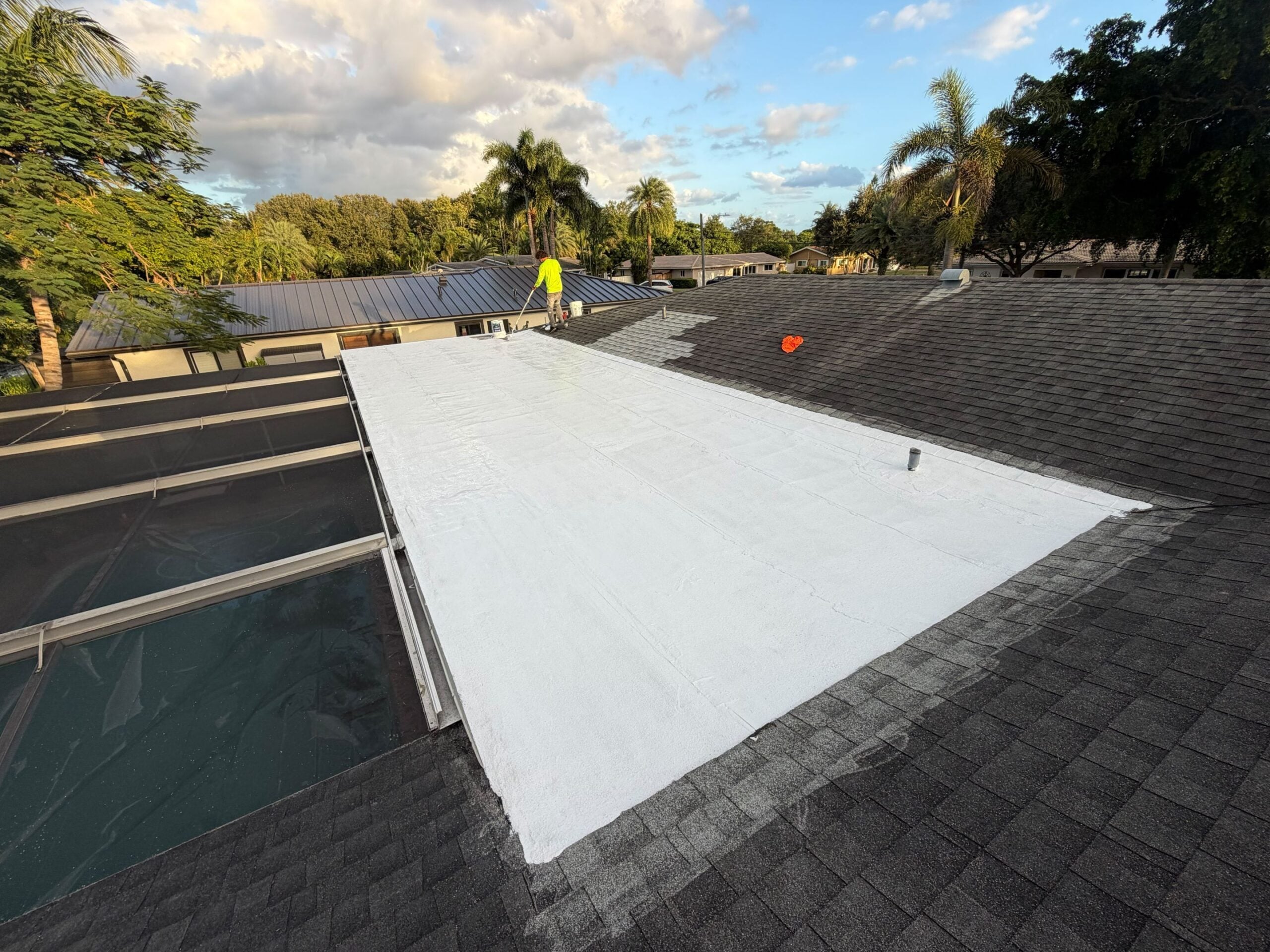

Plantation Silicone Roof Coating: Secluded Gardens Pool Patio Project
This Plantation silicone roof coating project addressed a leaking pool-patio roof in Plantations Secluded Gardens, also listed in some records as Plantations Secluded Gard, in
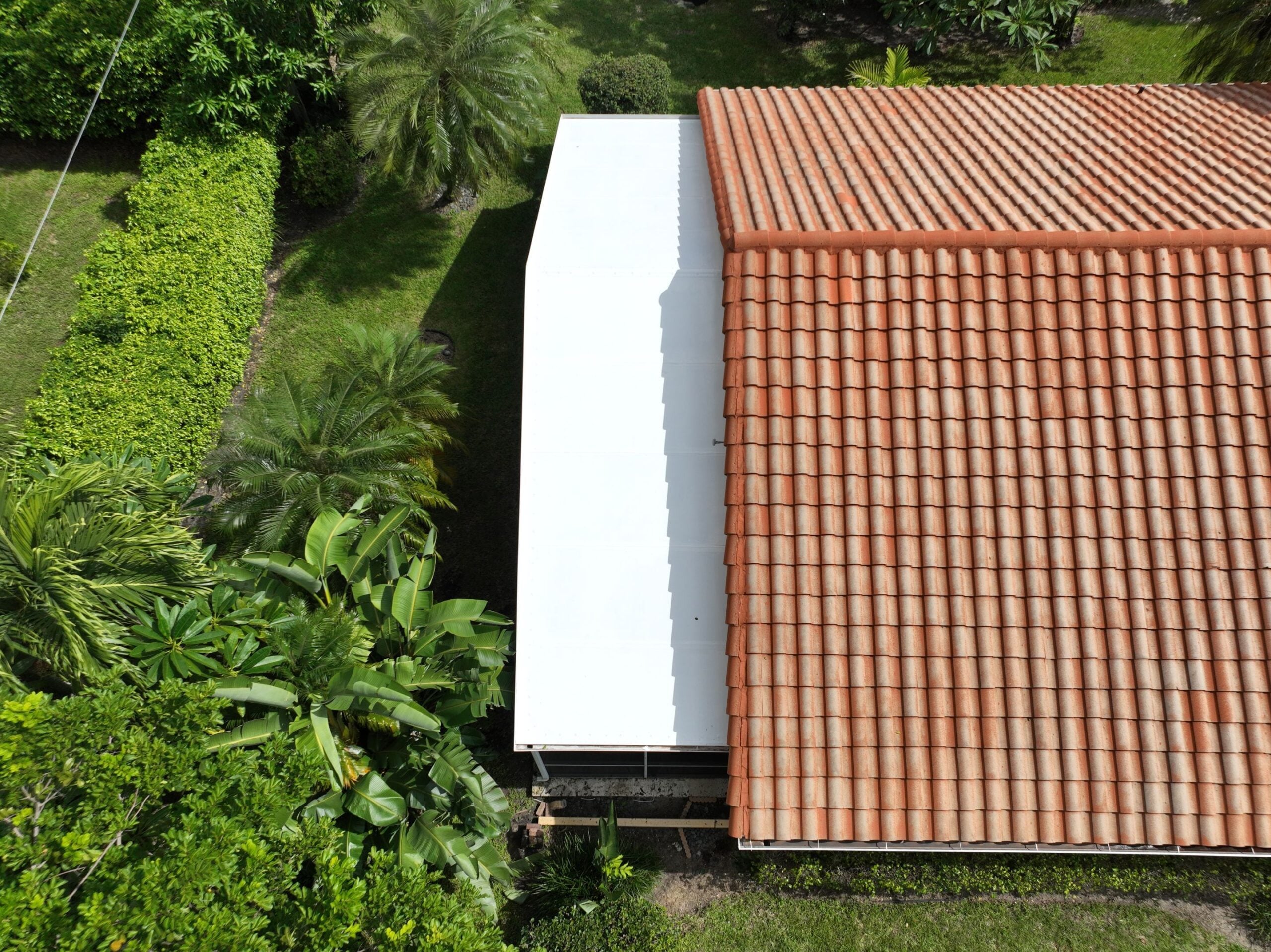
Delray Beach Silicone Roof Coating: Colombo Court Patio Roof Restoration
This Delray Beach silicone roof coating project restored an approximately 400 to 500 square-foot aluminum-panel patio roof at a home in the Bel Air community,
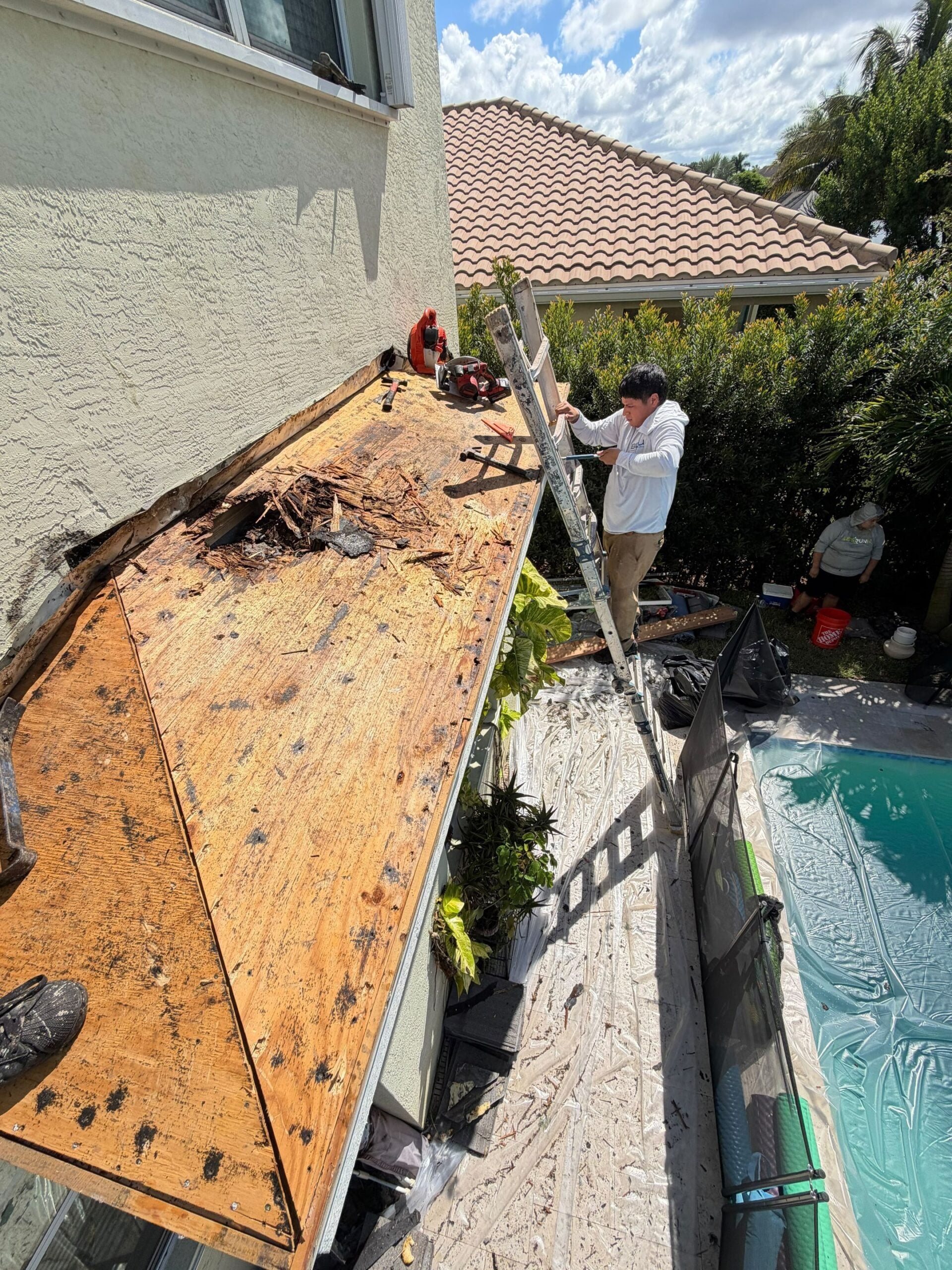
West Palm Beach Tile Roof Repair: PortoSol Eyebrow Roof Repair
This West Palm Beach tile roof repair was completed on a small concrete tile eyebrow roof at a home in the gated PortoSol community, ZIP
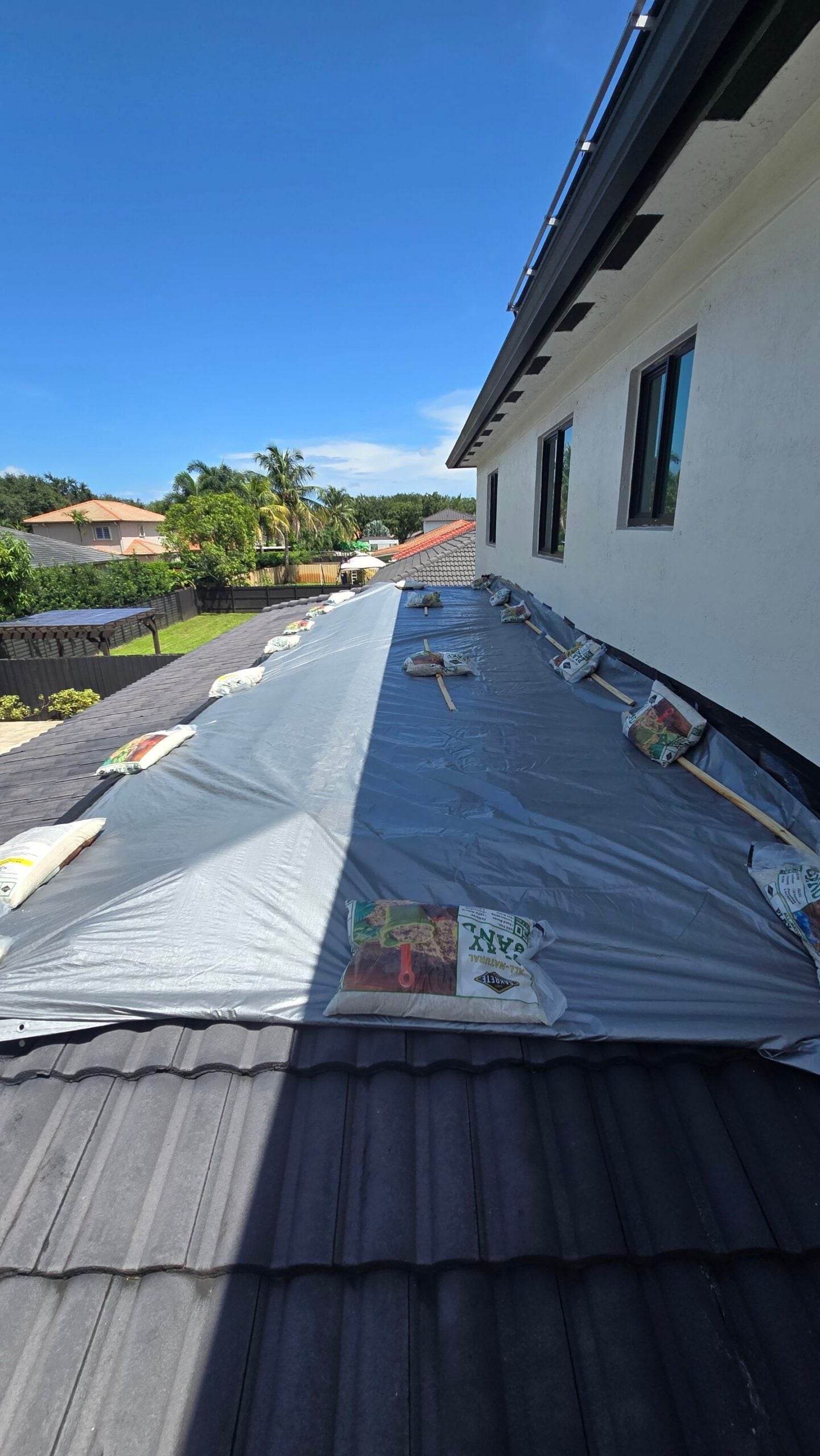
Emergency Roof Tarp Installation for Insurance Mitigation
This emergency roof tarp installation was completed for insurance mitigation at a single-family home in Miami Lakes, Florida. The active leak was at the connection
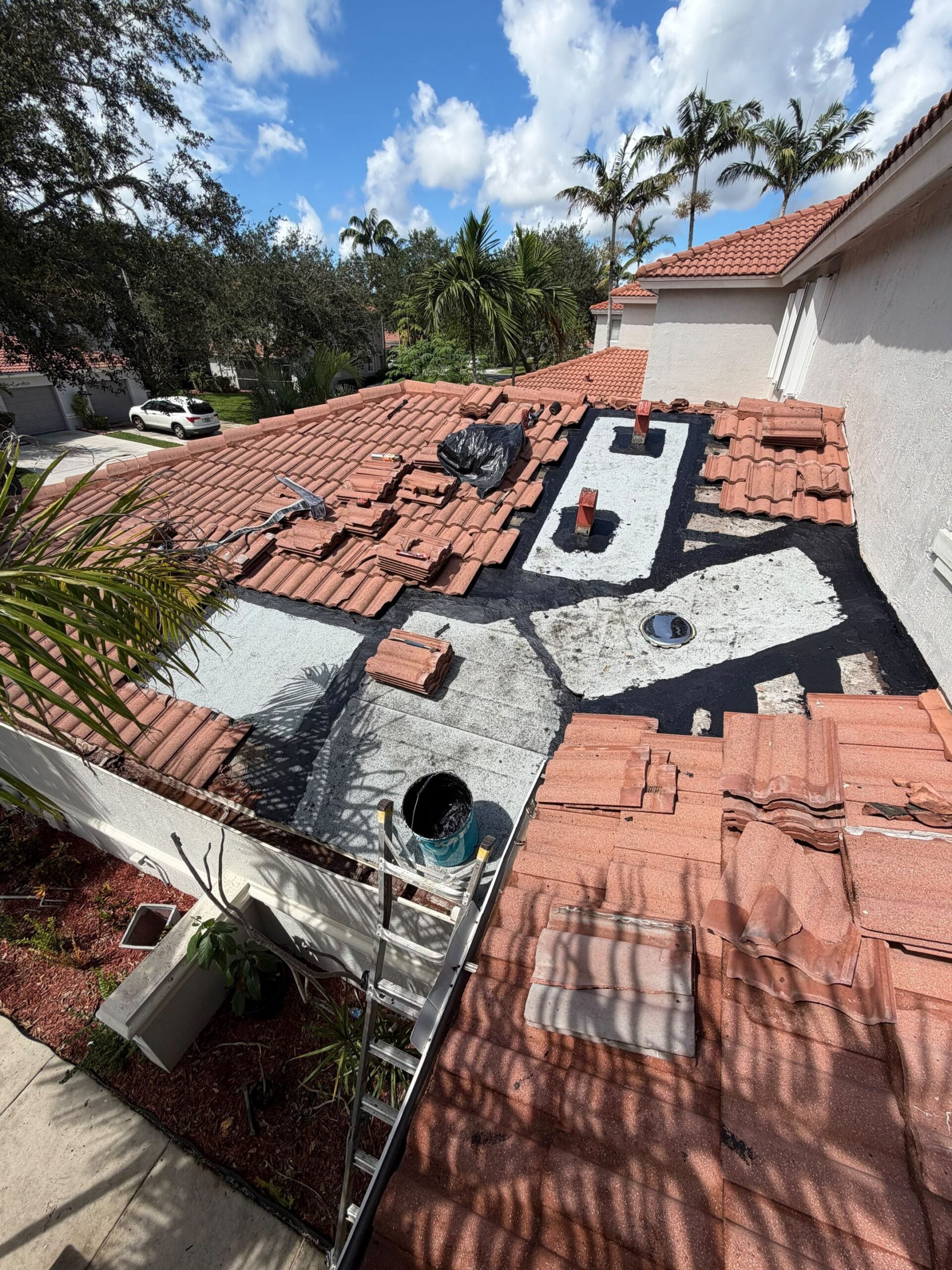
Riviera Beach Tile Roof Repair: Multiple Leaks at a Turtle Cay Townhouse
This Riviera Beach tile roof repair addressed multiple leak areas on a concrete tile townhouse roof in Turtle Cay, Riviera Beach, Florida. The rental property
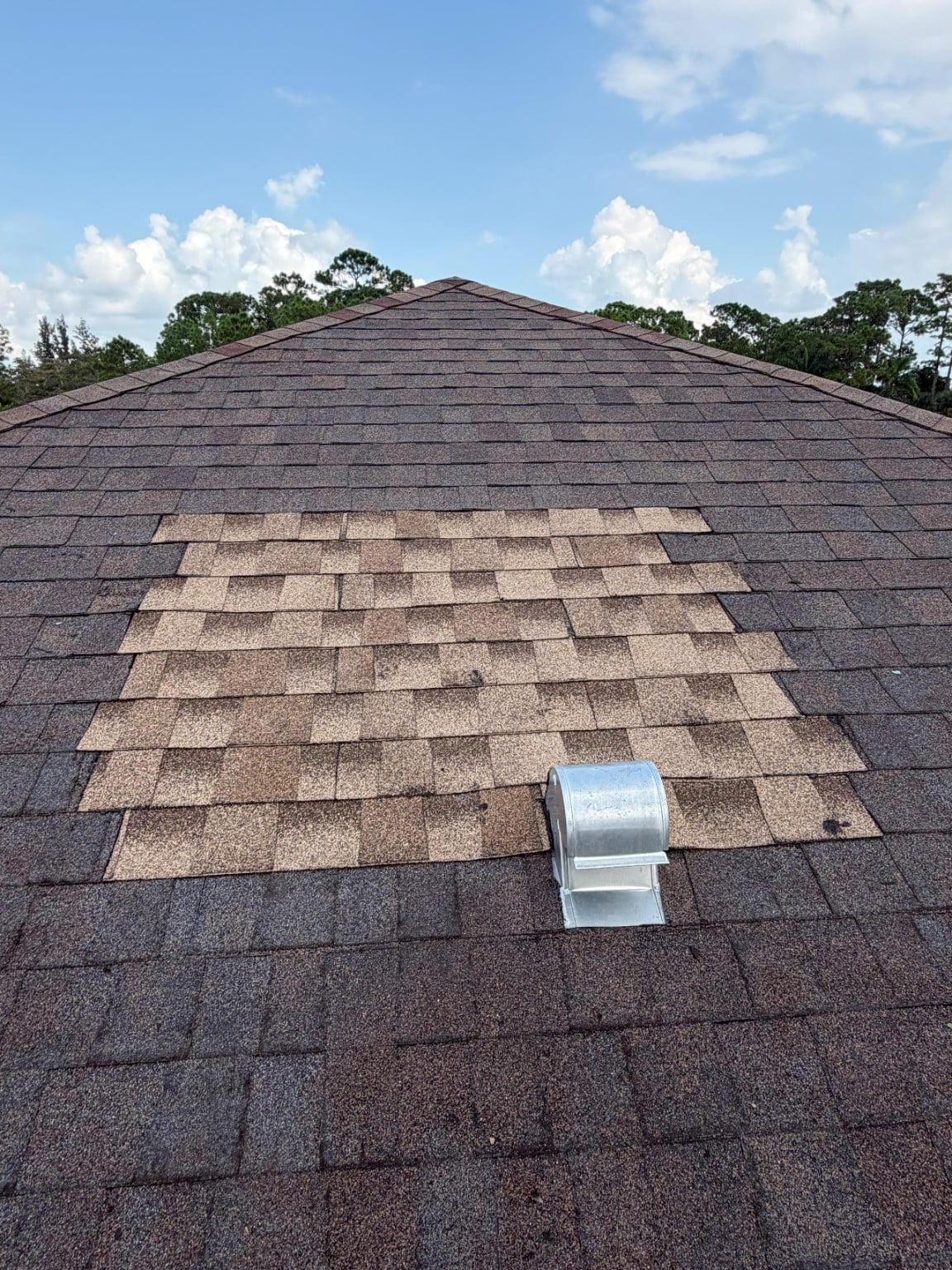
Heritage Farms Shingle Roof Repair: Finding a Leak in a Spray-Foam Attic
This Heritage Farms shingle roof repair involved a difficult-to-locate leak on an eight-year-old asphalt shingle roof in the Heritage Farms equestrian community near Lake Worth
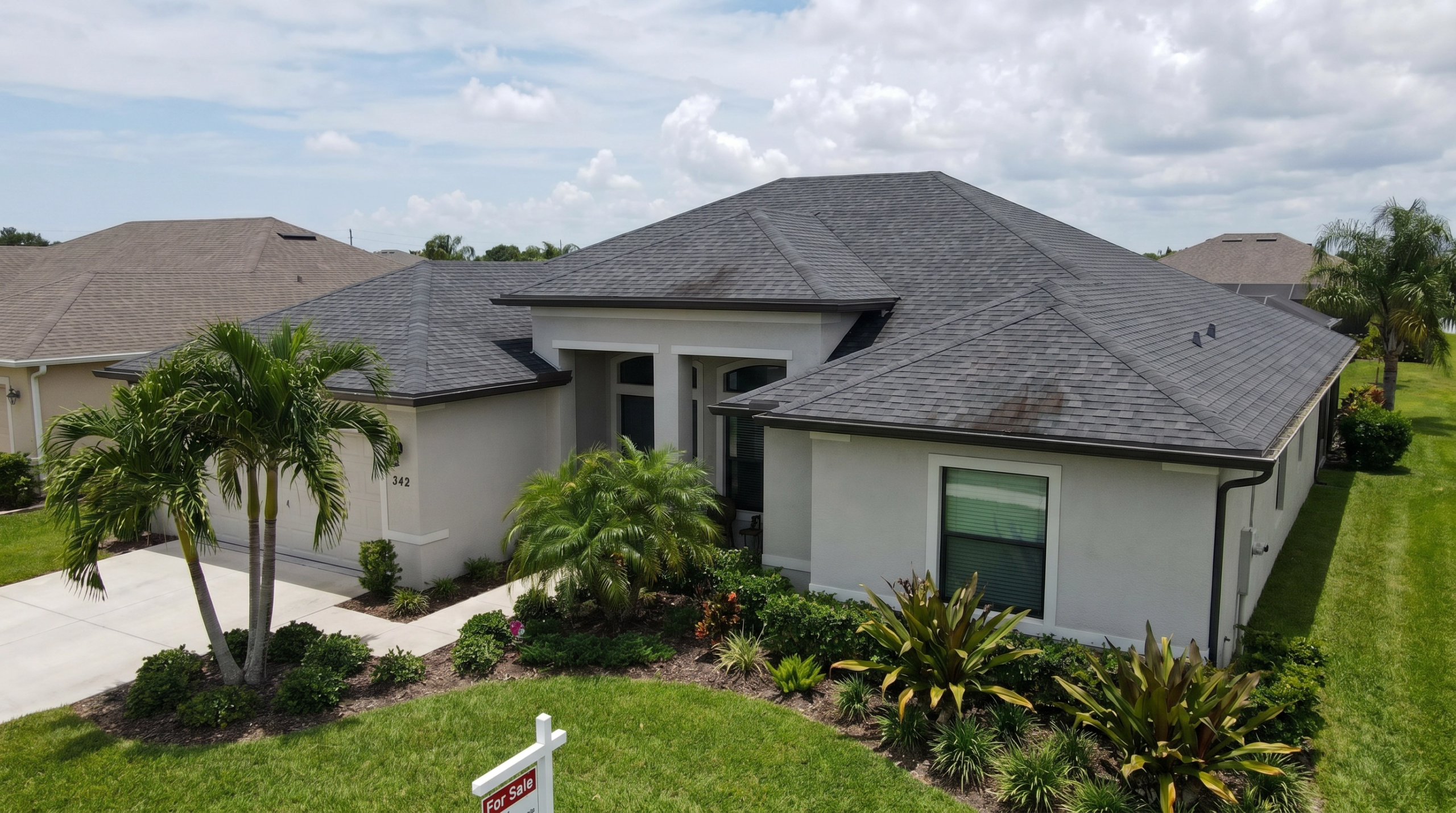
For homeowners in Lake Park, Florida, understanding the potential cost of roof repair is crucial for budgeting and maintaining your property. South Florida’s intense sun, heavy rains, and hurricane season winds mean that roof damage is not a matter of if, but when. Addressing minor issues promptly can prevent them from escalating into major, costly problems, or even requiring a full roof replacement. This 2026 guide will break down the factors influencing roof repair cost in Lake Park, FL, helping you make informed decisions to protect your investment in Palm Beach County.
Quick Summary
The roof repair cost in Lake Park, FL can range from $300 for minor fixes to over $5,000 for extensive damage, with the average falling between $750 and $2,500. Factors like the type of damage, roofing material, accessibility, and the need for emergency services all influence the final price. Proactive maintenance and timely repairs are key to protecting your Palm Beach County home and avoiding higher costs.
Table of Contents
- Factors Affecting Roof Repair Cost
- Average Roof Repair Costs in Lake Park
- Repair vs. Replace: Making the Right Decision
- Choosing a Roofing Contractor
- Protecting Your Lake Park Home
- FAQ: Roof Repair Cost Lake Park
Factors Affecting Roof Repair Cost in Lake Park
Several variables contribute to the overall roof repair cost in Lake Park, FL. Understanding these can help you anticipate expenses and make informed decisions:
- Type and Extent of Damage: A small leak from a single missing shingle will cost significantly less than extensive damage from a fallen tree or widespread storm impact.
- Roofing Material: The type of material (asphalt shingles, tile, metal) directly impacts repair costs. Specialized materials like tile or metal often require more skilled labor and higher material costs.
- Roof Accessibility and Pitch: Steep roofs or those with complex designs (multiple valleys, dormers) are harder and more dangerous to work on, increasing labor costs.
- Emergency Repairs: Urgent repairs needed after a storm, especially if they involve temporary tarping to prevent further water intrusion, typically come at a premium.
- Permits and Inspections: Depending on the scope of the repair, a permit from the City of Lake Park building department may be required, adding to the overall cost.
Average Roof Repair Costs in Lake Park, FL (2026)
Based on BLU Roofing’s 2026 project data in Palm Beach County, here’s an estimated breakdown of common roof repair costs in Lake Park:
| Type of Repair | Estimated Cost Range (2026) | Common Causes |
|---|---|---|
| Minor Leak (e.g., 1-5 missing shingles) | $300 – $700 | Wind damage, aging shingles |
| Flashing Repair (e.g., around chimney, vents) | $1200 – $2,500 | Corrosion, improper installation, storm damage |
| Valley Repair | $1500 – $3,500 | Water erosion, debris accumulation |
| Extensive Leak / Small Section Replacement | $1,500 – $5,000+ | Widespread storm damage, significant wear and tear |
*Note: These are estimates for roof repair cost in Lake Park, FL and can vary based on specific materials, contractor, and the complexity of the job.*
Repair vs. Replace: Making the Right Decision
When facing significant roof damage, especially after a severe storm that impacts areas like Lake Park or North Palm Beach, the question often arises: should I repair or replace? While a lower roof repair cost in Lake Park might seem appealing for minor issues, a full replacement can be more cost-effective in the long run if:
- Your roof is nearing the end of its lifespan (typically 15-20 years for asphalt shingles in Florida).
- Damage is widespread (e.g., more than 25-30% of the roof).
- You experience recurring leaks in multiple areas.
- You want to upgrade to a more durable or energy-efficient material.
For expert advice tailored to your specific situation, it’s always best to consult with a reputable local roofing contractor. They can provide a thorough inspection and recommend the most economical and protective solution for your home.
Choosing a Roofing Contractor in Lake Park
Selecting the right contractor is paramount to ensuring a quality repair that stands up to Palm Beach County’s weather. Look for a licensed and insured company with a strong local reputation. Don’t hesitate to ask for references and check their reviews. A reliable contractor will provide a detailed estimate, explain the scope of work, and guide you through any necessary permitting processes with the City of Lake Park.
Protecting Your Lake Park Home
Understanding the potential roof repair cost in Lake Park, FL is the first step in proactive home maintenance. Whether you live near the Lake Park Harbor Marina or in a quiet subdivision bordering Palm Beach Gardens, ensuring your roof is in optimal condition is essential. For comprehensive residential roofing solutions tailored to the unique challenges of South Florida, visit our Lake Park residential roofing page or explore our full range of residential roofing services. Don’t let minor damage turn into a major expense – invest in timely repairs and protect your home for years to come.
FAQ: Roof Repair Cost Lake Park
Q: How much does a minor roof leak repair typically cost in Lake Park?
A: Minor leak repairs, such as replacing a few missing shingles or sealing a small crack, typically range from $300 to $700 in Lake Park, FL.
Q: Does homeowner’s insurance cover roof repair costs in Lake Park?
A: Homeowner’s insurance generally covers roof repair costs if the damage is caused by a sudden, accidental event like a storm, fire, or vandalism. It typically does not cover damage due to neglect, poor maintenance, or normal wear and tear. Always check your specific policy.
Q: How can I get an accurate estimate for roof repair in Lake Park?
A: The best way to get an accurate estimate is to schedule a professional roof inspection with a licensed local roofing contractor. They can assess the damage, identify the underlying cause, and provide a detailed quote.
Q: Is it cheaper to repair or replace an old roof with multiple leaks?
A: If an old roof has multiple leaks or widespread damage, a full replacement is often more cost-effective in the long run. Repeated repairs on an aging roof can quickly add up, and a new roof offers better protection, energy efficiency, and a new warranty.
Written By: Peter Menke
Peter Menke is the owner of BLU Roofing and has been serving the South Florida roofing industry for over 6 years. He founded BLU Roofing to provide homeowners with transparent, accurate data grounded in the reality of Florida’s unique climate and building codes, information that is often missing from generic national roofing advice. License #CCC1337285
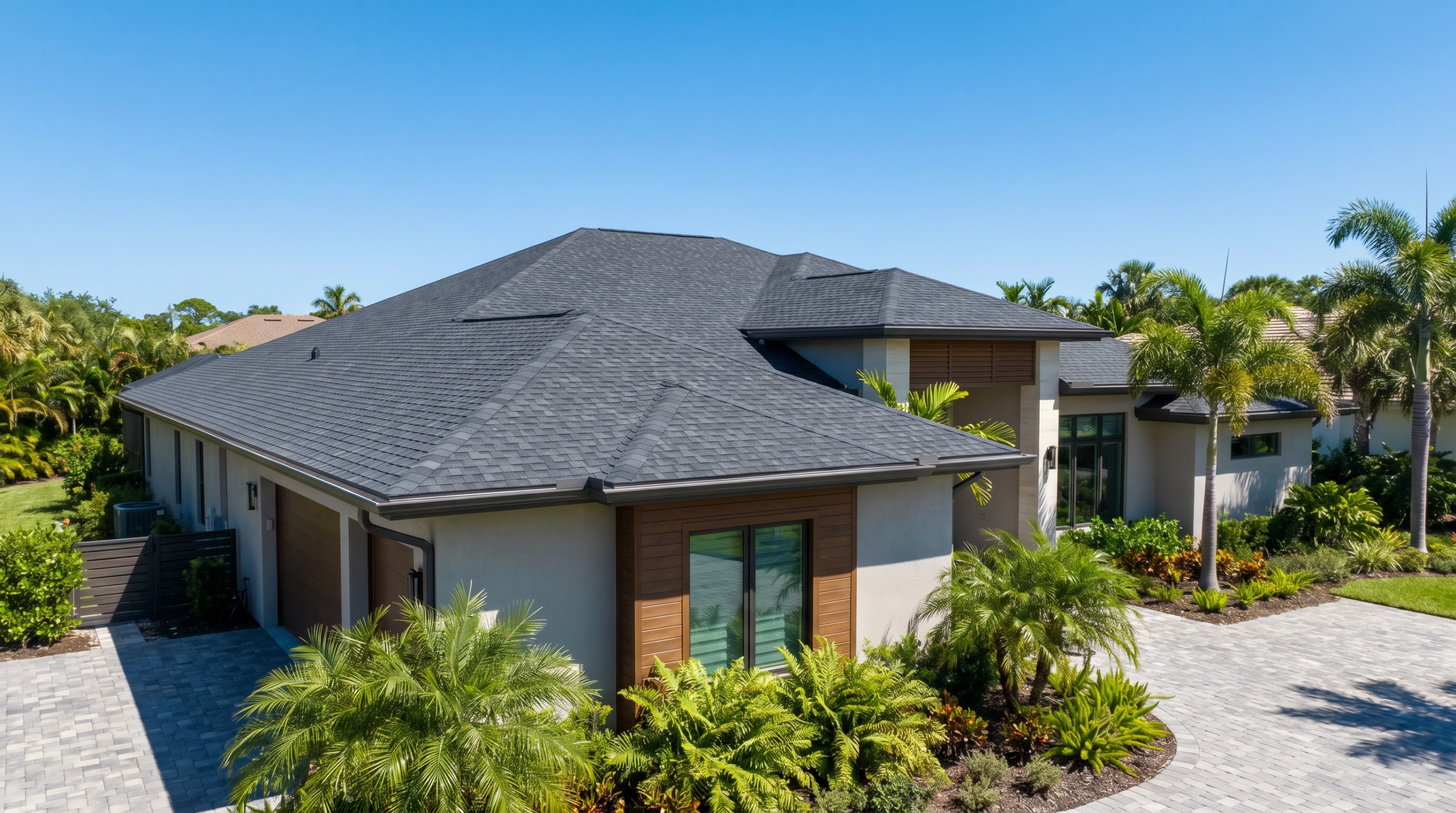
For homeowners in Lake Park, Florida, the approach of hurricane season brings a unique set of concerns, and chief among them is the integrity of your roof. Your roof is your home’s primary defense against the intense sun, heavy rains, and powerful winds that characterize South Florida weather. Ignoring the subtle (or not-so-subtle) signs of roof deterioration can lead to costly damage, insurance headaches, and even structural issues. Recognizing these warning signs early can save you significant money and stress in the long run, ensuring your home is prepared for whatever the Atlantic hurricane season throws its way. If you’re a homeowner in Lake Park, North Palm Beach, or even Palm Beach Gardens, understanding these indicators is crucial for protecting your investment.
Quick Summary
Before hurricane season hits, Lake Park homeowners should inspect their roofs for key signs of wear. Look for curled or missing shingles, granular loss, water stains, sagging, and increased energy bills. Addressing these issues promptly can prevent extensive damage and costly repairs, ensuring your home is protected with a sound new roof in Lake Park.
Table of Contents
- Visible Damage to Shingles or Tiles
- Granules in Gutters or Downspouts
- Water Stains on Ceilings or Walls
- Sagging Roof Deck or Rafters
- Increased Energy Bills
- Lake Park Roof Lifespan Data
- Protecting Your Lake Park Home
- FAQ: New Roof Lake Park
1. Visible Damage to Shingles or Tiles
One of the most obvious signs of roof deterioration is visible damage to your shingles or tiles. In Lake Park’s climate, asphalt shingles can curl, crack, or blister due to prolonged sun exposure and heat. Tile roofs, while durable, can also suffer from cracks or become dislodged during strong winds. Missing shingles or tiles leave your underlayment exposed to the elements, making your home vulnerable to leaks. Regularly inspect your roof from the ground with binoculars, or consider a professional inspection after any significant weather event. This is a clear indicator that you might need a new roof in Lake Park.
2. Granules in Gutters or Downspouts
If you have an asphalt shingle roof, the granules on the surface protect the asphalt from UV rays. As shingles age, these granules can start to shed. You might notice an accumulation of sand-like particles in your gutters or at the bottom of your downspouts. While some granular loss is normal, a significant amount indicates that your shingles are nearing the end of their lifespan and losing their protective qualities. This is a clear signal that a new roof in Lake Park might be necessary soon.
3. Water Stains on Ceilings or Walls
Water stains are a definitive sign of a roof leak, and they often appear on your interior ceilings or walls. These stains can be yellow, brown, or even dark, indicating water penetration. Don’t ignore small stains, as they can quickly grow and lead to more severe problems like mold, mildew, and compromised structural integrity. Pinpointing the exact source of a leak can be challenging, as water can travel along rafters and trusses before dripping down. If you notice any water stains, it’s crucial to have a professional roofing contractor inspect your roof immediately. This could be a sign you need a new roof in Lake Park.
4. Sagging Roof Deck or Rafters
A sagging roof is a serious structural issue that demands immediate attention. This can be caused by prolonged water damage, which weakens the roof decking or rafters, or by improper installation. A sagging roof can be visible from the exterior, appearing as a dip or curve in the roofline, or from the attic, where you might see drooping rafters. This condition compromises the entire structural integrity of your roof and can be extremely dangerous. A professional assessment is essential to determine the extent of the damage and the necessary repairs or replacement. This is a critical sign that you need a new roof in Lake Park.
5. Increased Energy Bills
An often overlooked sign of a failing roof is a sudden and unexplained increase in your energy bills. A compromised roof can lead to poor insulation and ventilation, allowing conditioned air to escape and outside heat to penetrate your home. This forces your HVAC system to work harder, especially during Palm Beach County’s hot summers, resulting in higher utility costs. While many factors can influence energy consumption, if you’ve ruled out other causes, your roof’s condition could be a significant contributor to your rising bills. A new roof in Lake Park can significantly improve energy efficiency.
Lake Park Roof Lifespan Data
| Roofing Material | Typical Lifespan in Lake Park, FL | Average Cost Range (per sq ft) | Key Benefit for Lake Park Homes |
|---|---|---|---|
| Asphalt Shingles | 15-20 years | $6.50 – $8.50 | Cost-effective, widely used |
| Tile (Concrete/Clay) | 22-35+ years | $10.00 – $15.00 | Durability, aesthetic, hurricane-resistant |
| Metal (Standing Seam) | 30-50+ years | $10.00 – $18.00 | Longevity, energy efficiency, hurricane-resistant |
*Based on BLU Roofing’s 2026 project data in Palm Beach County and local material performance. Costs are estimates and vary by project complexity.*
*Based on BLU Roofing’s 2026 project data in Palm Beach County and local material performance. Costs are estimates and vary by project complexity.*
Protecting Your Lake Park Home
Don’t wait for hurricane season to expose your roof’s weaknesses. Proactive inspection and addressing these signs can save you from significant headaches and expenses down the line. Whether you’re in the heart of Lake Park near Kelsey Park, or in a neighboring community like North Palm Beach or Palm Beach Gardens, ensuring your roof is in top condition is paramount. For comprehensive residential roofing solutions tailored to the unique challenges of South Florida, visit our Lake Park residential roofing page or explore our full range of residential roofing services. A new roof in Lake Park is an investment in your home’s future.
FAQ: New Roof Lake Park
Q: How often should I inspect my roof in Lake Park?
A: It’s recommended to visually inspect your roof at least twice a year, ideally in the spring and fall, and always after any major storm event. A professional inspection every 3-5 years is also advisable.
Q: Can I just repair a leaking roof instead of replacing it?
A: Minor leaks can often be repaired. However, if the leaks are widespread, recurrent, or indicative of extensive underlying damage, a full replacement is usually the more cost-effective and long-term solution.
Q: What are the common causes of roof damage in Lake Park?
A: The primary causes include intense UV radiation, heavy rainfall, strong winds (especially during hurricane season), and hail. These elements accelerate the aging process and can cause significant wear and tear.
Q: How long does a roof replacement typically take in Lake Park?
A: The duration of a roof replacement depends on the size and complexity of your roof, the materials chosen, and weather conditions. Generally, it can take anywhere from a few days to a couple of weeks.
Written By: Peter Menke
Peter Menke is the owner of BLU Roofing and has been serving the South Florida roofing industry for over 6 years. He founded BLU Roofing to provide homeowners with transparent, accurate data grounded in the reality of Florida’s unique climate and building codes, information that is often missing from generic national roofing advice. License #CCC1337285
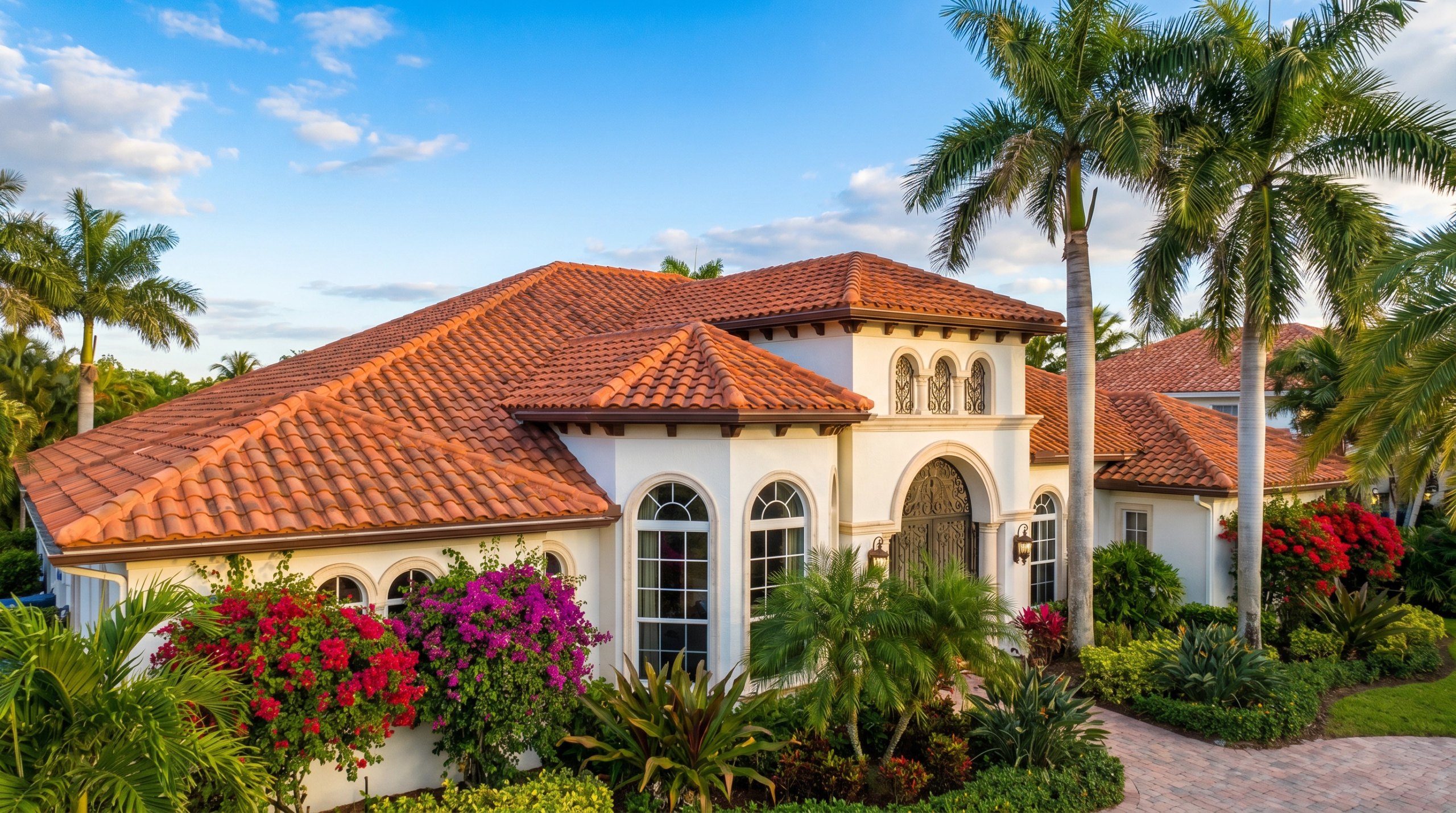
For homeowners in Lake Park, FL, maintaining a tile roof is a critical part of protecting your investment. Whether you live near the historic Kelsey City area or closer to the Lake Park Harbor Marina, the harsh South Florida climate takes a toll on even the most durable materials. Understanding the true tile roof repair cost in Lake Park FL is essential for budgeting and deciding whether a simple fix or a full replacement is the right choice for your Palm Beach County home.
Quick Summary
The average tile roof repair cost in Lake Park FL ranges from $500 to $2,500 depending on the extent of the damage. While concrete and clay tiles can last 22 to 35 years, the underlying waterproofing membrane (underlayment) typically fails after 20 to 30 years. If your roof is approaching this age, or if repairs exceed 25% of the roof’s surface, the Town of Lake Park Building Department will likely require a full replacement. A new tile roof in Palm Beach County generally costs between $25,000 and $40,000+.
Table of Contents
- Average Tile Roof Repair Cost in Lake Park FL
- Common Tile Roof Issues in Palm Beach County
- Repair vs. Replace: The 25% Rule
- 2026 Tile Roof Replacement Costs
- FAQ: Tile Roofs in Lake Park
Average Tile Roof Repair Cost in Lake Park FL
When assessing the tile roof repair cost in Lake Park FL, it is important to understand that you are rarely just paying for the visible tiles. The true cost lies in the labor required to carefully remove the tiles, repair the damaged underlayment beneath, and reinstall the tiles without breaking them.
Based on our 2026 project data in Palm Beach County, homeowners can expect the following general repair costs:
- Minor Repairs (Cracked or slipped tiles): $500 – $1,000
- Moderate Repairs (Valley leaks or flashing issues): $1,000 – $2,500
- Major Repairs (Extensive underlayment failure): $2,500 – $5,000+
Common Tile Roof Issues in Palm Beach County
Living in Lake Park means your roof is constantly exposed to intense UV rays, heavy summer downpours, and the occasional tropical storm. These elements contribute to several common issues:
1. Underlayment Failure
This is the most common issue we see in neighboring cities like North Palm Beach and Riviera Beach. The tiles themselves are incredibly durable, but the felt or modified bitumen underlayment beneath them is what actually keeps the water out. In South Florida, this underlayment typically dries out and cracks after 20 to 30 years.
2. Slipped or Broken Tiles
High winds or foot traffic from unqualified workers can cause tiles to slip out of place or crack. While a few broken tiles might seem minor, they expose the vulnerable underlayment directly to the sun and rain, accelerating its deterioration.
3. Valley and Flashing Leaks
The areas where two roof slopes meet (valleys) or where the roof meets a wall or chimney (flashing) are prime spots for leaks. Debris like leaves and pine needles can accumulate in these areas, trapping moisture and causing the metal flashing to rust or the underlayment to rot.
Repair vs. Replace: The 25% Rule
Deciding whether to repair or replace your tile roof often comes down to local building codes. The Town of Lake Park Building Department strictly enforces the Florida Building Code. A critical component of this code is the “25% Rule.”
If more than 25% of your roof’s total area requires repair within a 12-month period, the code mandates a complete roof replacement. This rule is designed to ensure the structural integrity and wind resistance of homes in Palm Beach County. If your roof is approaching the 20-year mark and you are experiencing multiple leaks, investing in a full replacement is often more cost-effective than pouring money into continuous, expensive repairs.
2026 Tile Roof Replacement Costs
If your roof has reached the end of its lifespan, it is time to consider a replacement. Based on our 2026 project data in Palm Beach County, here is a general idea of roof replacement costs for a standard 2,000–3,000 sq ft home:
| Roofing Material | Estimated Cost Range |
|---|---|
| Shingles | $12,000 – $25,000+ |
| Flat Roof | $20,000 – $30,000 |
| Concrete Tile | $25,000 – $40,000+ |
| Metal | $30,000 – $50,000+ |
These figures are estimates and can vary based on specific project details, roof complexity, and material choices.
Need a Professional Assessment?
If you are unsure whether your tile roof needs a simple repair or a full replacement, contact BLU Roofing today. We provide honest, transparent evaluations for homeowners in Lake Park and across Palm Beach County.
View Our Residential Roofing Services
Learn more about our specific services for Lake Park residents.
FAQ: Tile Roofs in Lake Park
Q: How long does a concrete tile roof last in South Florida?
A: The concrete tiles themselves can last 22 to 35 years or more. However, the critical waterproofing underlayment beneath them typically needs replacement every 20 to 30 years.
Q: Can I just replace the broken tiles instead of the whole roof?
A: Yes, if the damage is localized and the underlayment is still in good condition. However, if the underlayment is failing or if the repairs exceed 25% of the roof area, a full replacement is required by code.
Q: Will a new tile roof lower my insurance premiums?
A: Yes. Installing a new roof that meets the latest 2026 Florida Building Code standards, especially when utilizing a Secondary Water Barrier, can qualify you for significant wind mitigation credits, potentially lowering your premiums by up to 30-40%.
Written By: Peter Menke
Peter Menke is the owner of BLU Roofing and has been serving the South Florida roofing industry for over 6 years. He founded BLU Roofing to provide homeowners with transparent, accurate data grounded in the reality of Florida’s unique climate and building codes, information that is often missing from generic national roofing advice.
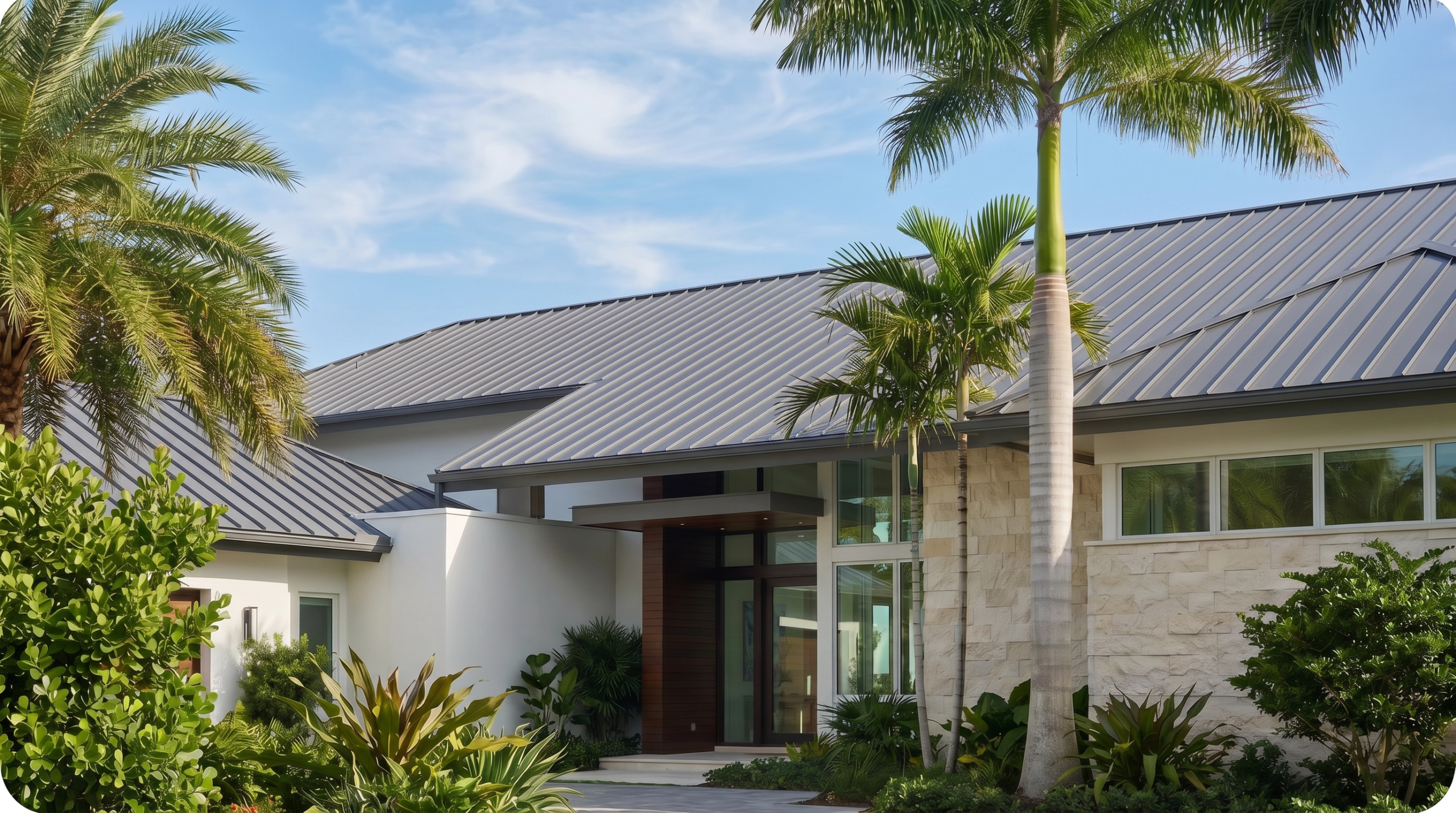
For homeowners, understanding the true cost of a roof replacement cost in Lake Park FL in 2026 is crucial. Whether your home is near the historic Kelsey City area or closer to the Lake Park Harbor Marina, navigating the complexities of Florida roofing requires the right approach. Our latest 2026 guide walks you through the critical first steps, from local permit fees to material choices that withstand the coastal salty air. Based on our 2026 project data in Palm Beach County, we have seen a shift toward more resilient materials that offer long-term savings on insurance premiums.
Quick Summary
Replacing a roof in Lake Park requires understanding local Palm Beach County costs and specific town requirements. Expect to budget between $12,000 and $50,000+ depending on materials. For coastal homes east of US-1, corrosion-resistant Galvalume or Aluminum is essential. A 2026 replacement can also lower your insurance premiums by up to 30-40% via wind mitigation credits, especially when incorporating a Secondary Water Barrier (SWB).
Table of Contents
- The Pricing Table: A General Overview
- Local Building Code & Environmental Factors in Lake Park
- Local “Hidden” Costs in Lake Park
- The “Lake Park Salt” Factor: Protecting Your Metal Roof
- Why Lake Park Permits Matter
- The Insurance Angle: Lowering Premiums
- FAQ: Roof Replacement in Lake Park
Roof Replacement Cost in Lake Park FL: A General Overview
Based on our 2026 project data in Palm Beach County, here’s a general idea of roof replacement costs for a 2,000–3,000 sq ft home. These figures reflect the current market stability in Lake Park, though they remain higher than the 2024 lows due to increased labor specialization and advanced material requirements.
| Roofing Material | Estimated Cost Range |
|---|---|
| Shingles | $12,000 – $25,000+ |
| Flat Roof | $20,000 – $30,000 |
| Concrete Tile | $25,000 – $40,000+ |
| Metal | $30,000 – $50,000+ |
These figures are estimates and can vary based on specific project details, roof complexity, and material choices.
Local Building Code & Environmental Factors in Lake Park (33403)
To understand the 2026 cost of a roof replacement in Lake Park, you must account for the strict enforcement of the Florida Building Code’s 9th Edition by the Town of Lake Park Building Department. Because much of Lake Park is within 3,000 feet of a saltwater coastline, “The Lake Park Salt Factor” isn’t just a recommendation—it’s a structural necessity. Under 2026 codes, any metal roof installation east of US-1 near the Lake Park Harbor Marina should utilize Type 304 or 316 stainless steel fasteners or specialized aluminum panels to prevent the rapid galvanic corrosion caused by the Atlantic’s salt spray.
Furthermore, for the historic homes in the Kelsey City area, the “25% Rule” remains a critical cost factor: if more than 25% of an older roof is damaged, current 2026 mandates often require a total code-compliant replacement rather than a simple patch. We also recommend Lake Park homeowners invest in a Secondary Water Barrier (SWB), such as a self-adhering “peel-and-stick” underlayment. While it adds roughly $0.80–$1.50 per square foot to your initial estimate, it is the single most effective way to secure significant wind mitigation credits and protect your home’s interior from the high-velocity wind-driven rain common to the Palm Beach County coast.
Local “Hidden” Costs in Lake Park
Beyond the material and labor, several local factors can influence your final roof replacement cost in Lake Park. These are often overlooked by national roofing guides but are essential for a realistic budget in 33403.
1. Permit Fees
In Lake Park, securing the necessary permits from the Town of Lake Park Building Department is a critical step. Expect to budget approximately $250–$600 for residential roofing permits. These fees cover inspections that ensure your new roof meets Florida Building Code standards, ultimately protecting your investment.
2. Dumpster and Debris Disposal
Disposal fees for old roofing materials have seen increases. In Palm Beach County, factor in an additional $40-$65 per 100sq ft of roofing for debris and haul-away services. This covers the cost of safely and responsibly removing waste and taking it to the landfill or to be recycled.
3. Decking Repair
It is common for older homes in Lake Park, particularly those in areas like Kelsey City, to have some deteriorated plywood decking underneath the existing roof. If the plywood is rotted or damaged, it will need to be replaced, adding roughly $100–$140 per sheet to the total cost. This is a common discovery during the tear-off phase in South Florida’s humid climate.
The “Lake Park Salt” Factor: Protecting Your Metal Roof
Given Lake Park’s coastal proximity, especially for homes east of US-1 and near the Lake Park Marina, the “Lake Park Salt” factor is a significant consideration for metal roofs. To prevent corrosion from salt spray, BLU Roofing strongly recommends and often requires Galvalume or Aluminum for metal roofing systems. This specialized material choice, while potentially a higher upfront cost, ensures the longevity and durability of your metal roof in this unique wind zone. Aluminum is particularly effective as it does not rust, making it the gold standard for homes within a mile of the ocean.
Why Lake Park Permits Matter
The Town of Lake Park Building Department maintains strict inspection protocols for roofing projects. While this might seem like an extra step, these rigorous inspections actually serve to protect homeowners. They ensure that every roof replacement adheres to the latest wind mitigation and structural requirements, safeguarding your home against Florida’s severe weather and enhancing its overall value. Proper permitting also ensures that your roof is eligible for the maximum insurance discounts available in Palm Beach County.
The Insurance Angle: Lowering Premiums with a New Roof
A 2026 roof replacement in Lake Park can significantly impact your homeowner’s insurance premiums. By installing a new roof that meets current building codes and incorporates advanced wind mitigation features, you could qualify for substantial wind mitigation credits, potentially lowering your premiums by up to 30-40%. This is a long-term financial benefit that often offsets a portion of the replacement cost within just a few years. We always recommend a post-installation wind mitigation inspection to document these upgrades for your carrier.
Get a Wind-Ready, Water-Tight Estimate
Ready to upgrade your home with a durable, code-compliant roof? Contact BLU Roofing today for a personalized estimate in Lake Park, North Palm Beach, or Riviera Beach.
FAQ: Roof Replacement in Lake Park
Q: How long does a roof replacement typically take in Lake Park?
A: The permit approval process can take 1–4 weeks, with the entire project, including installation, typically completed within 3–6 weeks. Installation itself usually takes 1–3 days, depending on the material and roof complexity.
Q: What is the lifespan of a new roof in South Florida?
A: Concrete/Clay Tile roofs can last 22–35 years (underlayment 20–30 years), Metal roofs 30–50 years, and Shingle roofs 15–20 years, depending on maintenance and weather exposure.
Q: Do I need to be present during the roof replacement process?
A: While it’s not strictly necessary to be on-site constantly, we recommend being available for initial consultations and final walkthroughs. Our team will keep you updated throughout the project.
Q: How can I ensure my new roof is energy efficient?
A: Choosing lighter-colored roofing materials, opting for proper attic ventilation, and selecting materials with high solar reflectivity can significantly improve your home’s energy efficiency and potentially lower cooling costs.
Written By: Peter Menke
Peter Menke is the owner of BLU Roofing and has been serving the South Florida roofing industry for over 6 years. He founded BLU Roofing to provide homeowners with transparent, accurate data grounded in the reality of Florida’s unique climate and building codes, information that is often missing from generic national roofing advice.
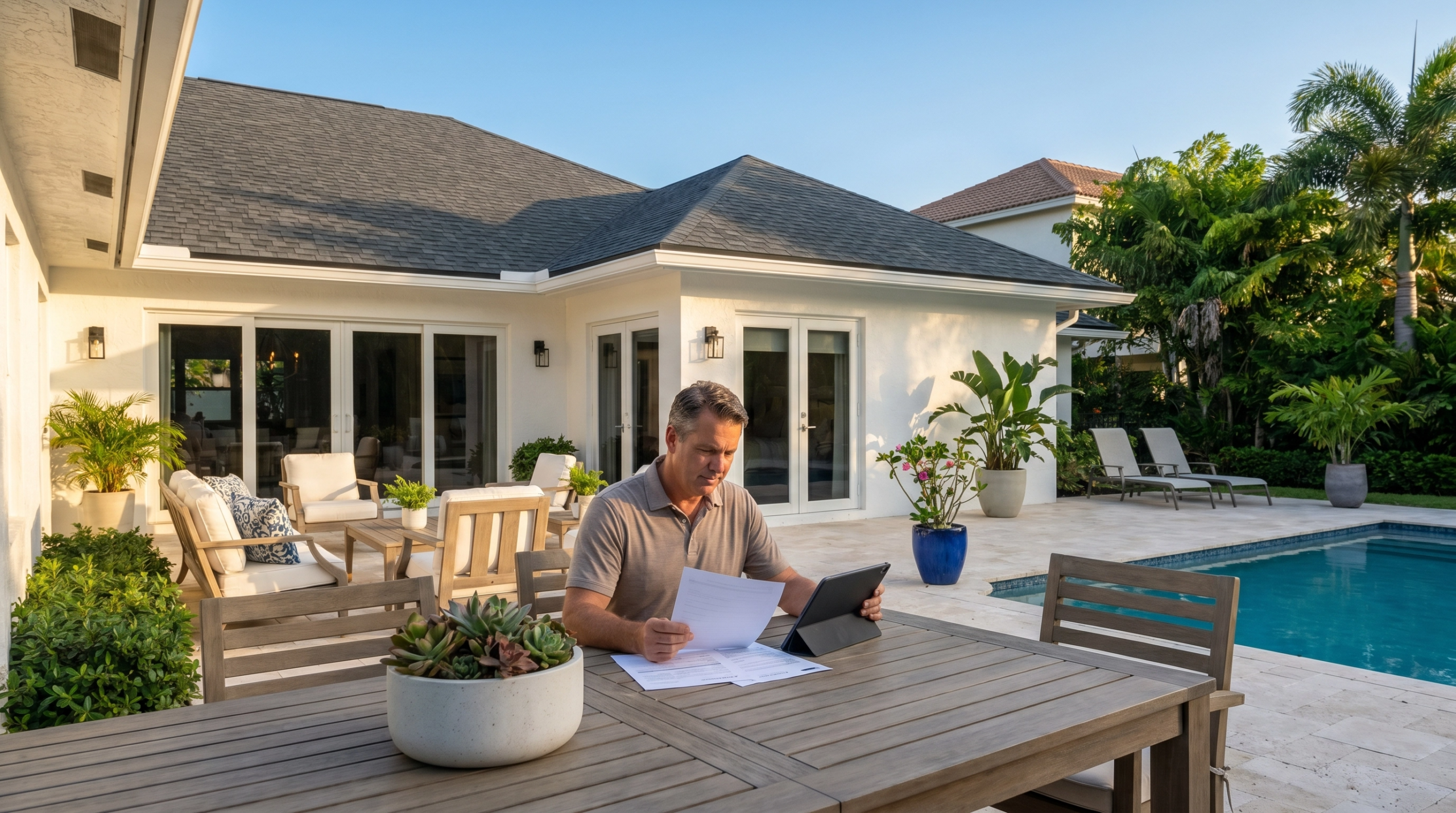
Filing a roof insurance claim in Lake Park, FL doesn’t have to be a stressful ordeal if you follow a clear, professional process. Whether your home is near Kelsey Park or closer to the Lake Park Harbor Marina, navigating the complexities of Florida insurance requires the right approach. Our latest 2026 guide walks you through the critical first steps, from performing a safe initial assessment to documenting every detail of the storm damage for your adjuster, ensuring a smooth roof insurance claim Lake Park FL.
When dealing with a roof insurance claim Lake Park FL, it’s essential to keep all communication documented and organized. This attention to detail will ensure that your claim process goes as smoothly as possible.
Quick Summary
Filing a roof insurance claim in Lake Park, FL requires prompt action and thorough documentation. Start by safely assessing the damage and contacting a licensed roofing contractor for a detailed estimate before calling your insurance company. Understanding your policy, especially the difference between RCV and ACV, is crucial for maximizing your payout and protecting your Palm Beach County home when you file a roof insurance claim Lake Park FL. Remember, timely submission of your roof insurance claim Lake Park FL can significantly impact the outcome.
Table of Contents
Important Considerations for Your Roof Insurance Claim Lake Park FL
Many homeowners in Lake Park, FL, have successfully navigated the roof insurance claim process by following best practices and seeking expert advice. Engaging with local roofing professionals will help ensure your roof insurance claim Lake Park FL is handled effectively.
- Step 1: Safely Assess and Document the Damage
- Step 2: Review Your Homeowner’s Insurance Policy
- Step 3: Get a Professional Roofing Estimate
- Step 4: File Your Claim Promptly
- Step 5: Meet with the Insurance Adjuster
- The BLU Roofing Advantage in Palm Beach County
- FAQ: Roof Insurance Claims in Lake Park
Step 1: Safely Assess and Document the Damage
After a severe storm passes through Palm Beach County, your first priority is safety. Do not climb onto your roof. Instead, perform a visual inspection from the ground using binoculars. Look for obvious signs of damage such as missing shingles, cracked tiles, or dented metal panels.
Inside your home, check your attic and ceilings for any signs of water intrusion or leaks. Document everything you see with clear, high-resolution photos and videos. This documentation will be vital when you file your claim.
Step 2: Review Your Homeowner’s Insurance Policy
Before contacting your insurance provider, take the time to review your policy. You need to understand your coverage limits, your deductible, and the specific perils covered.
Pay close attention to whether you have a Replacement Cost Value (RCV) or Actual Cash Value (ACV) policy. An RCV policy will cover the cost of a new roof without deducting for depreciation, while an ACV policy will only pay the current depreciated value of your old roof. Knowing this difference is essential for managing your expectations.
| Policy Type | What It Pays | Best For |
|---|---|---|
| Replacement Cost Value (RCV) | Full cost of a new roof, no depreciation deducted | Newer homes or newer roofs |
| Actual Cash Value (ACV) | Depreciated value of your old roof | Older homes, lower premiums |
Step 3: Get a Professional Roofing Estimate
This is perhaps the most critical step. Before the insurance adjuster arrives, you should have a detailed estimate from a reputable, licensed roofing contractor.
At BLU Roofing, we provide comprehensive inspections and detailed estimates that you can present to your insurance company. Having a professional assessment ensures that no damage is overlooked and provides a benchmark for the adjuster’s evaluation. If you need assistance, you can learn more about our residential roofing services or visit our specific Lake Park residential roofing page.
Step 4: File Your Claim Promptly
Once you have your documentation and a professional estimate, contact your insurance company to file the claim. Be prepared to provide the date and time of the storm, a description of the damage, and your photos.
Act quickly, as most insurance policies have strict time limits for filing claims after a storm event. Delaying could result in a denial of your claim. The Florida Department of Financial Services provides helpful guidance on your rights as a policyholder throughout this process.
Step 5: Meet with the Insurance Adjuster
Your insurance company will send an adjuster to inspect the damage. It is highly recommended that your roofing contractor be present during this inspection.
A professional roofer can point out specific damage that the adjuster might miss and advocate on your behalf to ensure a fair and accurate assessment. This collaborative approach often leads to a smoother claims process and a more favorable outcome for homeowners in Lake Park and neighboring cities like North Palm Beach and Palm Beach Gardens.
The BLU Roofing Advantage in Palm Beach County
Navigating a roof insurance claim can be daunting, but you don’t have to do it alone. By following these steps and partnering with a trusted local expert, you can ensure your home is fully restored. Based on our 2026 project data in Palm Beach County, homeowners who involve a professional contractor early in the process experience significantly fewer claim denials and faster resolution times.
FAQ: Roof Insurance Claims in Lake Park
Q: How long do I have to file a roof insurance claim in Florida?
A: In Florida, you typically have up to one year from the date of the storm or hurricane to file a claim. However, it is always best to file as soon as possible to prevent further damage and expedite the repair process.
Q: Will my insurance premium go up if I file a roof claim?
A: If the damage was caused by an “Act of God” such as a hurricane or severe storm, Florida law generally prohibits insurance companies from raising your premium based solely on that single claim. However, widespread storm damage in your area could lead to general rate increases for everyone.
Q: What if the insurance adjuster’s estimate is lower than my contractor’s estimate?
A: This is a common scenario. If there is a discrepancy, your contractor can review the adjuster’s estimate and provide a supplement detailing the missed items or underpriced materials. This is why having your contractor present during the adjuster’s inspection is so important.
Written By: Peter Menke
Peter Menke is the owner of BLU Roofing and has been serving the South Florida roofing industry for over 6 years. He founded BLU Roofing to provide homeowners with transparent, accurate data grounded in the reality of Florida’s unique climate and building codes, information that is often missing from generic national roofing advice. License #CCC1337285
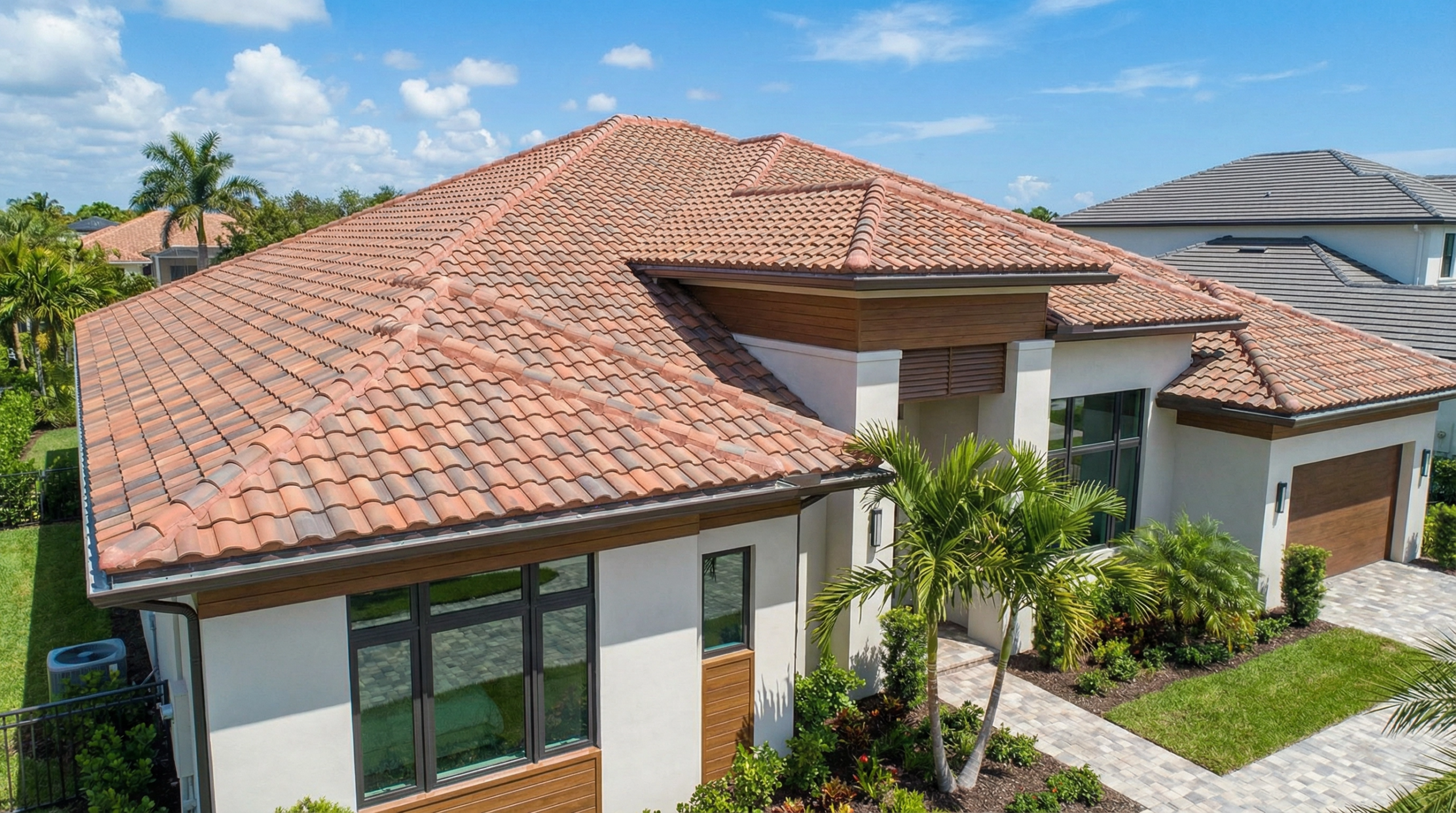
For homeowners in Palm Beach Gardens, a professional roof inspection is a vital part of maintaining your home’s structural integrity and ensuring long-term protection from South Florida’s intense weather. Whether you’re preparing for hurricane season, considering a home sale, or simply want to stay ahead of potential issues, understanding the costs and benefits of a roof inspection is essential. This 2026 guide will break down the typical roof inspection costs in Palm Beach Gardens and explain why this proactive step is a smart investment for your property.
Quick Summary
Roof inspection costs in Palm Beach Gardens typically range from $150 to $500, depending on the type of inspection and the size of your home. A standard visual inspection is often on the lower end, while more comprehensive assessments, including drone technology or infrared moisture detection, can be higher. Regular inspections are a proactive way to identify minor issues before they become costly repairs, ensuring your Palm Beach County home remains safe and secure.
Table of Contents
Types of Roof Inspections in Palm Beach Gardens
Not all roof inspections are the same. Depending on your needs, you might choose from several types of assessments:
- Standard Visual Inspection: A thorough walk-through of the roof’s exterior and interior (attic) to identify visible signs of damage, wear, or potential issues.
- Comprehensive Inspection: Includes a standard visual inspection plus more detailed assessments, such as checking flashing, vents, and gutters, and potentially using specialized tools.
- Drone Inspection: Utilizes high-resolution cameras on drones to capture detailed images of hard-to-reach areas, providing a comprehensive view without the need for physical access.
- Infrared Moisture Detection: Uses thermal imaging to identify hidden moisture within the roofing system, which can indicate leaks that aren’t yet visible.
- Wind Mitigation Inspection: A specific type of inspection required by many insurance companies in Florida to assess a roof’s ability to withstand high winds.
Roof Inspection Cost Breakdown (2026)
The cost of a roof inspection in Palm Beach Gardens varies based on the type of inspection and the complexity of your roof. Here’s a general breakdown of what homeowners can expect in 2026:
| Inspection Type | Typical Cost Range (2026) | Notes |
|---|---|---|
| Standard Visual Inspection | $150 – $250 | Basic assessment of visible condition. |
| Comprehensive Inspection | $250 – $400 | Detailed check of all components. |
| Drone Inspection | $300 – $500 | High-resolution imagery of all areas. |
| Wind Mitigation Inspection | $100 – $200 | Often required for insurance discounts. |
| Infrared Moisture Detection | $400 – $600+ | Identifies hidden leaks and moisture. |
*Note: These are estimates for Palm Beach County and can vary based on specific project details.*
Factors Influencing Roof Inspection Costs
Several factors can influence the final cost of a roof inspection in Palm Beach Gardens:
- Roof Size and Complexity: Larger roofs or those with complex designs (multiple levels, steep pitches, many valleys) take longer to inspect and may cost more.
- Roofing Material: Some materials, like tile or metal, may require more specialized knowledge or equipment to inspect thoroughly.
- Accessibility: Roofs that are difficult to access or require specialized equipment (like high-reach ladders or drones) may incur additional costs.
- Additional Services: If you require additional services, such as a detailed written report or infrared moisture detection, the cost will increase.
Why Invest in a Professional Roof Inspection?
While it might seem like an unnecessary expense, a professional roof inspection is a smart investment for several reasons:
- Early Detection of Issues: Identifying minor problems early can prevent them from becoming major, costly repairs. This is especially important for Palm Beach County homes facing intense weather.
- Peace of Mind: Knowing your roof is in good condition provides peace of mind, especially during hurricane season.
- Insurance Requirements: Many insurance companies require regular inspections or wind mitigation assessments to maintain coverage or qualify for discounts.
- Home Sale Preparation: A professional inspection report can be a valuable asset when selling your home, providing potential buyers with confidence in the roof’s condition.
- Extended Roof Lifespan: Regular maintenance and early repairs can significantly extend the life of your roof, saving you money in the long run.
For more information on maintaining your roof, check out our guide on tile roof repair in Palm Beach Gardens.
FAQ: Roof Inspection Palm Beach Gardens
Q: How often should I get my roof inspected in Palm Beach Gardens?
A: It’s generally recommended to have your roof inspected once a year, ideally before hurricane season. You should also have it inspected after any major storm event.
Q: Can I inspect my roof myself?
A: While you can perform a basic visual check from the ground, a professional inspection is necessary for a thorough assessment. Professionals have the expertise and equipment to identify issues that may not be visible to the untrained eye.
Q: What should I look for in a roof inspection report?
A: A comprehensive report should include clear photos of any damage, a detailed description of the roof’s condition, and recommendations for any necessary repairs or maintenance.
Written By: Peter Menke
Peter Menke is the owner of BLU Roofing and has been serving the South Florida roofing industry for over 6 years. He founded BLU Roofing to provide homeowners with transparent, accurate data grounded in the reality of Florida’s unique climate and building codes, information that is often missing from generic national roofing advice. License #CCC1337285
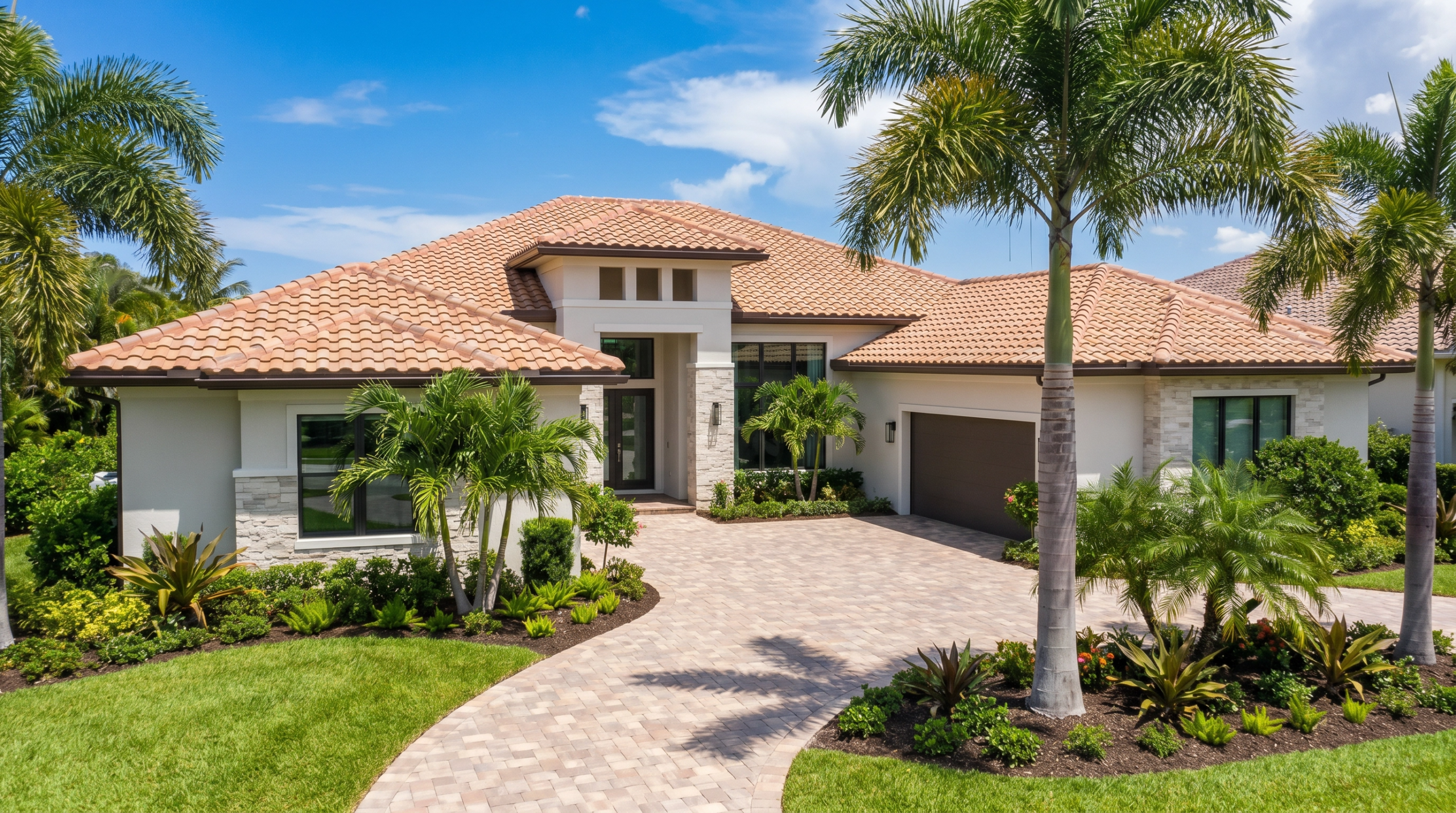
For homeowners in Palm Beach Gardens, a tile roof is a significant investment, offering durability and aesthetic appeal that complements the South Florida lifestyle. However, even the most robust tile roofs are not immune to the effects of our intense sun, heavy rains, and occasional severe weather. Understanding when your tile roof needs repair versus a full replacement, and what those costs entail, is crucial for protecting your home. This 2026 guide will help Palm Beach Gardens homeowners navigate the complexities of tile roof repair and replacement.
Quick Summary
Tile roof repair costs in Palm Beach Gardens typically range from $50-$60 per tile for minor fixes to $1,500-$3,500+ for more extensive issues like valley leaks or underlayment repair. While tile roofs are durable, the underlayment often fails first, necessitating replacement after 20-30 years. Factors like the extent of damage, tile type, and accessibility influence costs. For widespread issues or an aging underlayment, a full replacement is often more cost-effective in the long run for Palm Beach County homes.
Table of Contents
Common Tile Roof Problems in Palm Beach Gardens
While tile roofs are known for their longevity, they can still experience issues, especially in the challenging South Florida climate:
- Cracked or Broken Tiles: Often caused by falling debris, foot traffic, or thermal expansion and contraction.
- Underlayment Failure: The most common reason for leaks in older tile roofs. The underlayment, a waterproof barrier beneath the tiles, degrades over time due to heat and UV exposure.
- Flashing Issues: Deteriorated or improperly installed flashing around chimneys, vents, and valleys can lead to water intrusion.
- Loose Tiles: High winds can dislodge tiles, creating vulnerabilities.
- Granule Loss (for some tile types): While less common than with shingles, some coated tiles can experience surface degradation.
Tile Roof Repair Costs in Palm Beach Gardens (2026)
The cost of tile roof repair varies significantly based on the extent of the damage, the type of tile, and accessibility. Here’s a general breakdown of what Palm Beach Gardens homeowners can expect in 2026:
| Repair Type | Typical Cost Range (2026) | Notes |
|---|---|---|
| Single Tile Replacement | $50 – $60 per tile | Includes labor and material matching. Minimum trip charges may apply. |
| Minor Leak Repair (e.g., flashing) | $700 – $1,500 | Depends on location and accessibility. |
| Underlayment Section Repair | $1,500 – $2,500 | Requires careful removal and reinstallation of tiles. |
| Valley Leak Repair | $2,000 – $3,500 | More complex, often involves replacing metal and underlayment. |
| Extensive Damage (e.g., storm) | $3,500+ | May involve structural repairs or lead to replacement. |
Note: These are estimates for Palm Beach County and can vary based on specific project details.
When to Repair vs. Replace Your Tile Roof
The decision to repair or replace a tile roof often comes down to the extent of the damage, the age of the roof, and the condition of the underlying components. For minor issues like a few cracked tiles or a small flashing leak, repair is usually the most cost-effective solution. However, if you notice widespread damage, multiple leaks, or if your roof is approaching the end of its lifespan (typically 20-30 years for the underlayment, even if the tiles last longer), a full replacement might be the smarter long-term investment. Our guide on signs you need a new roof can help you identify critical indicators.
The Underlayment Factor
In South Florida, the tiles themselves are incredibly durable, often lasting 50 years or more. However, the underlayment beneath the tiles, which is the true waterproof barrier, typically has a lifespan of 20-30 years due to the intense heat and humidity. If your underlayment is failing, repairing individual leaks becomes a temporary fix, and a full replacement to install a new, modern underlayment system is often necessary to prevent recurring issues and protect your home in Palm Beach County.
Choosing a Tile Roof Specialist in Palm Beach Gardens
When dealing with tile roof repairs or replacements, it’s essential to choose a contractor with specific expertise in tile roofing systems and a deep understanding of Florida Building Codes. Look for a licensed and insured local company with a proven track record in Palm Beach Gardens. They should be able to provide references, detailed estimates, and explain the repair or replacement process thoroughly. For more tips, consult our guide on how to choose a reputable roofing contractor.
FAQ: Tile Roof Repair Palm Beach Gardens
Q: How long does a tile roof last in Palm Beach Gardens?
A: While the tiles themselves can last 50+ years, the underlayment beneath them typically lasts 20-30 years in South Florida’s climate. Once the underlayment fails, a full replacement is usually recommended.
Q: Is it expensive to repair a tile roof?
A: The cost varies. Minor repairs like replacing a few tiles are relatively inexpensive. However, if the underlayment is compromised or there’s extensive damage, costs can rise significantly, sometimes making replacement a more economical long-term choice.
Q: Can I repair my tile roof myself?
A: While minor cosmetic repairs might seem simple, tile roof repair requires specialized knowledge and tools. Improper repairs can lead to further damage, void warranties, and compromise your roof’s integrity. It’s always best to hire a licensed professional.
Written By: Peter Menke
Peter Menke is the owner of BLU Roofing and has been serving the South Florida roofing industry for over 6 years. He founded BLU Roofing to provide homeowners with transparent, accurate data grounded in the reality of Florida’s unique climate and building codes, information that is often missing from generic national roofing advice. License #CCC1337285
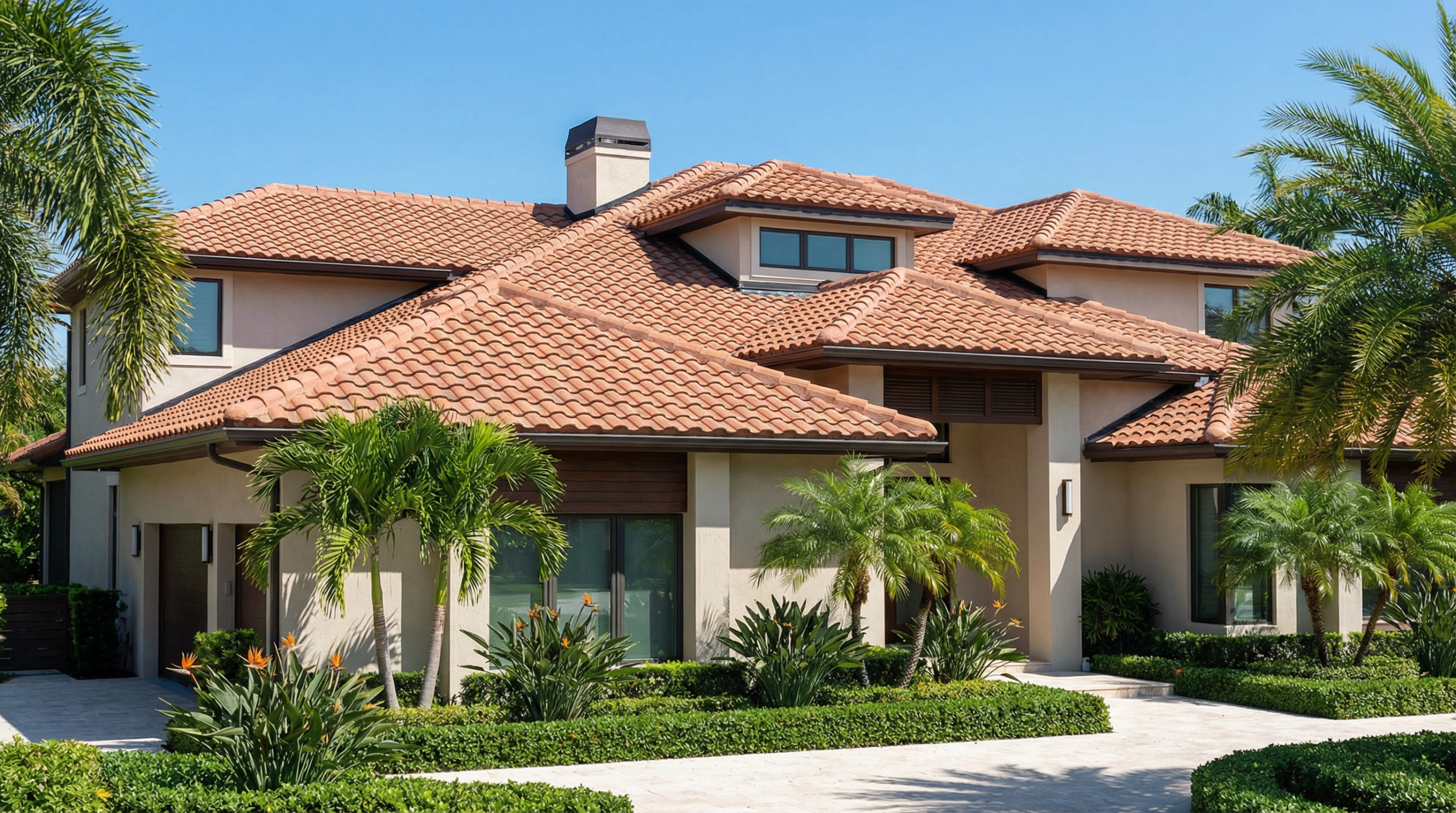
For homeowners in Boca Raton, undertaking a roof replacement or significant repair isn’t just about choosing the right materials or finding a reputable contractor; it also involves navigating the city’s specific permitting process and adhering to Florida’s stringent building codes. These regulations are designed to ensure safety, structural integrity, and hurricane resilience, but they can often seem complex and overwhelming. This 2026 guide will demystify Boca Raton roofing permits and building codes, helping you understand why they’re necessary, what to expect, and how to ensure your project complies with all local requirements.
Quick Summary
In Boca Raton, a roofing permit is mandatory for most roof replacements and significant repairs to ensure compliance with Florida Building Codes and hurricane standards. The process involves application, plan review, and multiple inspections (sheathing, metal/tintag, in-progress, final). Always work with a licensed contractor who will handle the permitting process for you, ensuring your project is legal, safe, and covered by insurance.
Table of Contents
Why Are Roofing Permits Necessary in Boca Raton?
Roofing permits in Boca Raton serve several crucial purposes:
- Safety: They ensure that all roofing work adheres to strict safety standards, protecting both the workers and your family.
- Code Compliance: Permits guarantee that your new roof meets the latest Florida Building Codes, particularly those related to hurricane resistance. This is vital in a region prone to severe weather.
- Insurance Validation: Work performed without a permit can void your homeowner’s insurance policy, leaving you vulnerable in case of future damage.
- Resale Value: When you sell your home, buyers and their lenders will require proof that all major renovations, including roofing, were done legally and to code. Unpermitted work can significantly complicate or even halt a sale.
- Quality Assurance: The inspection process associated with permits provides an extra layer of quality control, ensuring the contractor’s work meets professional standards.
The Boca Raton Roofing Permit Process
While your roofing contractor will typically handle the permit application, it’s beneficial to understand the steps involved:
| Step | Description | Estimated Timeline |
|---|---|---|
| Application Submission | Your contractor submits detailed plans, specifications, and required documents to the City of Boca Raton Building Department. | 1-3 days (by contractor) |
| Plan Review | City officials review the application to ensure compliance with all local and state building codes. | 1-4 weeks (can vary) |
| Permit Issuance | Once approved, the permit is issued, allowing work to begin. | Immediately after approval |
| Sheathing Inspection | Confirms no bad decking and the deck is nailed up to current building codes. | During tear-off phase |
| Metal and TinTag Inspection | Inspections of underlayment tin tagging, valley metal, drip edge, flashings, etc. | After underlayment, before final covering |
| In-Progress Inspection | After the old roof is removed and the decking/underlayment is installed, but before the new roofing material is fully applied. Usually 100 sq. ft. of the roof covering is installed prior to this inspection. | During installation phase |
| Final Inspection | Once the new roof is complete, a city inspector verifies all work meets code. | Upon project completion |
Key Building Codes for Boca Raton Roofs
Florida has some of the strictest building codes in the nation, particularly for roofing, due to hurricane threats. Boca Raton enforces these codes rigorously. Key aspects include:
- Wind Resistance: Roofs must be designed and installed to withstand high wind speeds, often requiring specific fastening methods and materials.
- Underlayment: Robust underlayment systems are mandatory to provide a secondary water barrier.
- Material Standards: All roofing materials must meet specific product approval standards for use in Florida. For insights into suitable options, refer to our guide on best roofing materials for Boca Raton homes.
- Ventilation: Proper attic ventilation is crucial for energy efficiency and extending the life of your roof, and it’s often part of code requirements.
For detailed information, you can always consult the City of Boca Raton Building Department directly.
The Role of Your Contractor in Permitting
Choosing a licensed and experienced roofing contractor is paramount, as they are responsible for navigating the entire permitting process. A reputable contractor will:
- Prepare and Submit Applications: They will handle all paperwork and ensure plans meet city requirements.
- Schedule Inspections Your contractor will coordinate with the city to schedule all necessary inspections at the appropriate stages of the project.
- Ensure Compliance: They are knowledgeable about the latest codes and will ensure all work is performed to standard, preventing costly delays or rework.
- Communicate: A good contractor will keep you informed about the permit status and inspection results.
This is one of the many reasons why it’s crucial to choose a reputable roofing contractor in Boca Raton.
FAQ: Boca Raton Roofing Permits
Q: Can I pull my own roofing permit in Boca Raton?
A: While homeowners can sometimes pull permits for minor repairs on their own primary residence, it is highly recommended to have a licensed roofing contractor pull the permit for any significant work like a full replacement. Contractors have the expertise to ensure compliance and manage the inspection process.
Q: What happens if I replace my roof without a permit in Boca Raton?
A: Replacing a roof without a permit is illegal and can lead to severe consequences, including fines, stop-work orders, difficulty selling your home, and potentially voiding your homeowner’s insurance policy. The city may also require you to tear off the unpermitted work and redo it.
Q: How long does it take to get a roofing permit in Boca Raton?
A: The time to obtain a roofing permit in Boca Raton can vary, typically ranging from 1 to 4 weeks for residential projects, depending on the complexity of the project and the current workload of the building department.
Q: Does a permit cover all inspections?
A: Yes, a single roofing permit covers all the necessary inspections (sheathing, metal/tintag, in-progress, and final) required by the City of Boca Raton to ensure the work is completed to code.
Written By: Peter Menke
Peter Menke is the owner of BLU Roofing and has been serving the South Florida roofing industry for over 6 years. He founded BLU Roofing to provide homeowners with transparent, accurate data grounded in the reality of Florida’s unique climate and building codes, information that is often missing from generic national roofing advice. License #CCC1337285
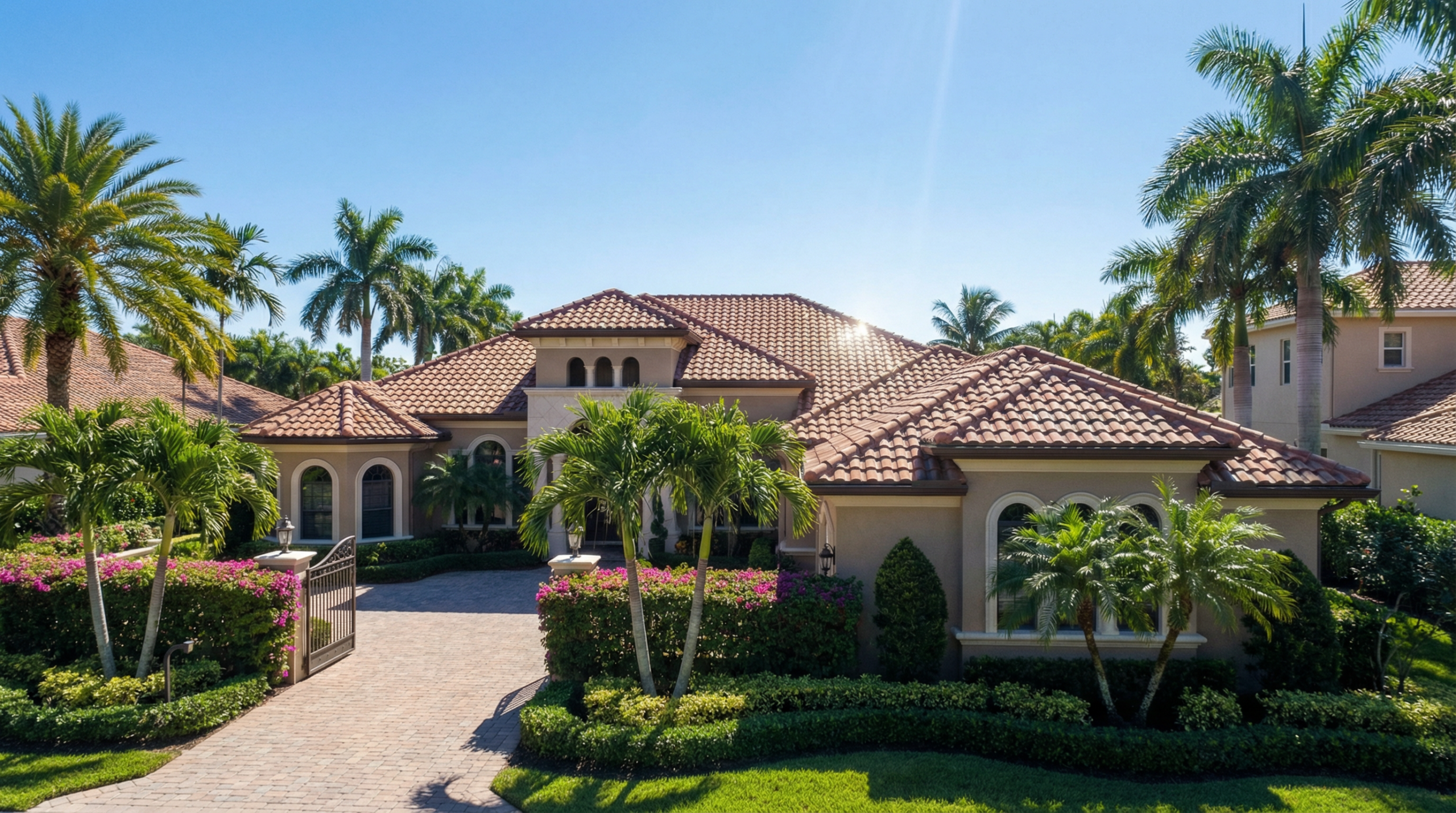
For homeowners in Boca Raton, a new roof is more than just protection from the elements; it’s a significant investment that can dramatically impact your property’s value and appeal. In a competitive real estate market like South Florida, upgrades that enhance durability, aesthetics, and energy efficiency are highly sought after. But exactly how much does a new roof increase home value in Boca Raton? This 2026 guide will explore the financial and practical benefits of a roof replacement, helping you understand the return on investment and why it’s a smart move for your Boca Raton home.
Quick Summary
A new roof in Boca Raton significantly increases home value, offering an average ROI of 5-10%. Beyond financial returns, it enhances curb appeal, improves energy efficiency, provides superior hurricane protection, and extends the lifespan of your home. Choosing the right material and a reputable contractor maximizes these benefits in South Florida’s unique climate.
Table of Contents
The ROI of a New Roof in Boca Raton
According to national reports, a roof replacement typically yields a strong return on investment (ROI) for homeowners. In South Florida, this ROI can be even higher due to the critical role a robust roof plays in protecting against severe weather and meeting stringent building codes. While exact figures vary based on material, home style, and market conditions, homeowners in Boca Raton can generally expect to recoup a significant portion of their investment, often ranging from 5% – 10% at resale. This makes a new roof one of the most impactful home improvements you can undertake.
| Home Improvement | Average ROI (National) | Impact in Boca Raton |
|---|---|---|
| Roof Replacement | 5-10% | Often higher due to hurricane protection and insurance benefits. Essential for resale. |
| Kitchen Remodel (Minor) | 5-15% | Strong appeal, but roof is foundational for home integrity. |
| Bathroom Remodel | 5% | Good appeal, but less critical than roof in Florida climate. |
| Window Replacement | 5-10% | Important for energy efficiency and storm protection, complements new roof. |
How a New Roof Boosts Home Value
Beyond the direct financial return, a new roof adds value to your Boca Raton home in several key ways:
- Enhanced Curb Appeal: A fresh, modern roof significantly improves your home’s exterior aesthetics, making it more attractive to potential buyers. This is especially true in Boca Raton, where curb appeal is highly valued.
- Superior Protection & Durability: Buyers in hurricane-prone South Florida prioritize homes with robust, up-to-code roofing. A new roof signals peace of mind, offering protection against leaks, storm damage, and the intense sun.
- Improved Energy Efficiency: Modern roofing materials and proper installation can lead to better insulation and heat reflection, reducing cooling costs, a major selling point in Florida. For more on this, see our guide on best roofing materials for Boca Raton homes.
- Lower Insurance Premiums: Many insurance companies offer discounts for newer, hurricane-resistant roofs, which can be a significant saving for new homeowners.
- Extended Lifespan: A new roof means buyers won’t have to worry about a major expense for decades, adding to the home’s long-term value.
- Easier Sale: Homes with older roofs often face challenges during inspection and appraisal, sometimes requiring a price reduction or a new roof before closing. A new roof eliminates these hurdles.
Choosing the Right Roofing Material for ROI
The type of roofing material you choose can influence both the upfront cost and the eventual ROI. In Boca Raton, popular choices include:
- Tile Roofs: Offer excellent longevity, aesthetic appeal, and hurricane resistance, making them a strong investment.
- Metal Roofs: Provide superior durability, energy efficiency, and a modern look, with a high ROI due to their long lifespan and storm resilience.
- Architectural Asphalt Shingles: A more budget-friendly option that still offers good protection and aesthetic improvements, though with a shorter lifespan than tile or metal.
Based on our 2026 project data in Palm Beach County, homes with newer tile or metal roofs consistently command higher resale values due to their perceived durability and low maintenance.
Maximizing Your Roof Replacement Investment
To ensure you get the best possible return on your new roof, consider these tips:
- Choose a Reputable Contractor: Work with a licensed and insured local roofing company like BLU Roofing. They understand Boca Raton’s specific building codes and can ensure a quality installation. You can verify a contractor’s license through the Florida Department of Business and Professional Regulation (DBPR ).
- Document the Process: Keep records of all permits, contracts, warranties, and photos of the installation. This documentation is valuable for insurance and future resale.
- Maintain Your Roof: Regular maintenance and professional roof inspections can extend the life of your new roof and protect your investment.
FAQ: New Roof and Home Value
Q: How much value does a new roof add to a home in Boca Raton?
A: While it varies, a new roof in Boca Raton can add 5-10% or more of its cost to your home’s resale value, often more due to the critical need for hurricane protection and insurance benefits in South Florida.
Q: Does a new roof lower home insurance premiums in Florida?
A: Yes, many insurance companies offer significant discounts for new, hurricane-resistant roofs that meet current Florida building codes. This can lead to substantial savings over the life of your policy.
Q: How long does a new roof last in Boca Raton?
A: The lifespan depends on the material. Architectural asphalt shingles typically last 15-20 years, tile typically 25-30 years and metal roofs can last 30-50 years or more in Boca Raton’s climate with proper maintenance.
Q: Is a roof replacement considered a good investment for resale?
A: Absolutely. A new roof is often considered one of the best home improvements for resale value, especially in areas like Boca Raton where a durable, code-compliant roof is a top priority for buyers.
Written By: Peter Menke
Peter Menke is the owner of BLU Roofing and has been serving the South Florida roofing industry for over 6 years. He founded BLU Roofing to provide homeowners with transparent, accurate data grounded in the reality of Florida’s unique climate and building codes, information that is often missing from generic national roofing advice. License #CCC1337285