
Roofing Resources for Homeowners in South Florida
Practical roofing guidance for homeowners dealing with repairs, replacements, and real-world issues in South Florida.
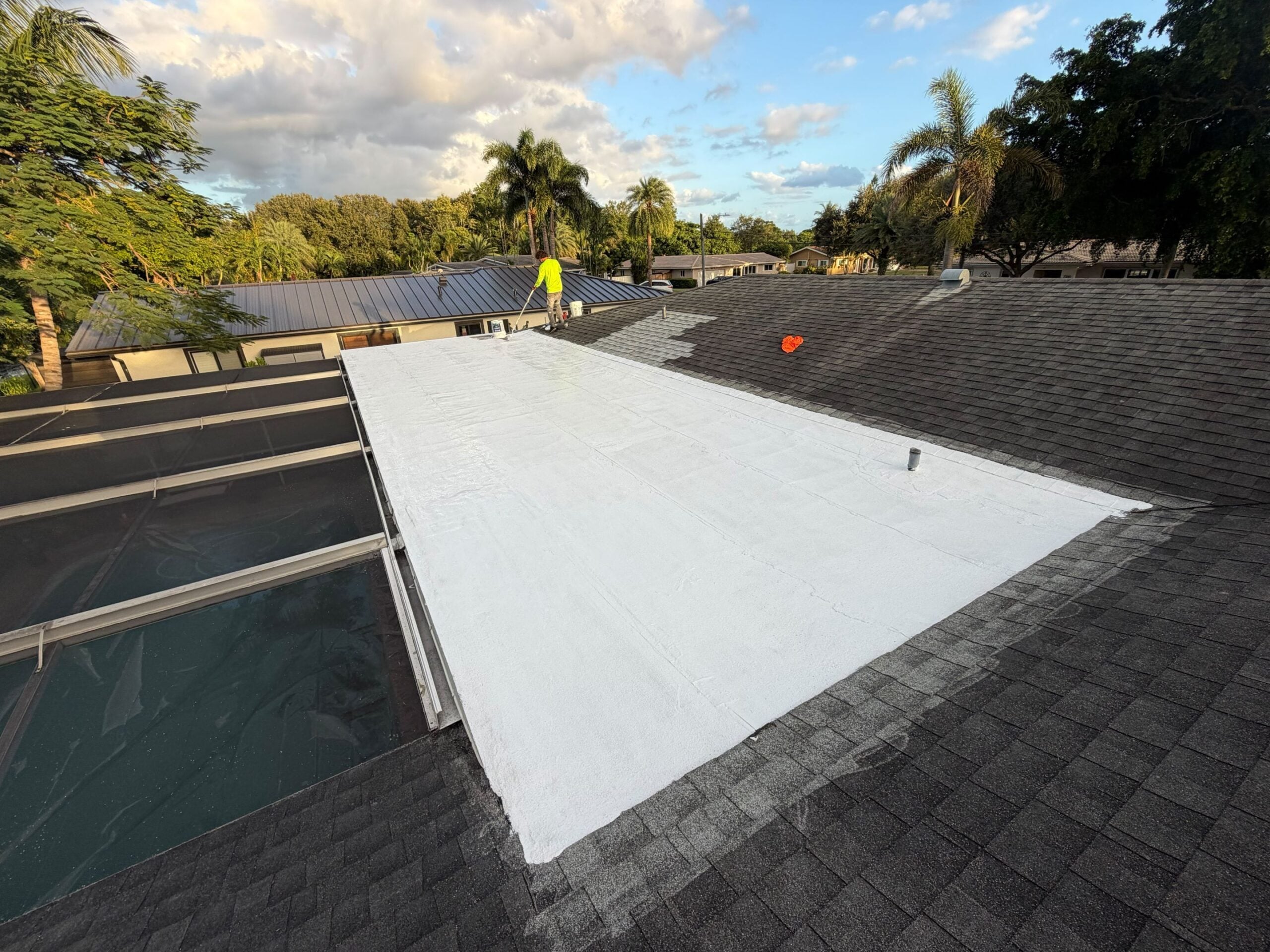

Plantation Silicone Roof Coating: Secluded Gardens Pool Patio Project
This Plantation silicone roof coating project addressed a leaking pool-patio roof in Plantations Secluded Gardens, also listed in some records as Plantations Secluded Gard, in
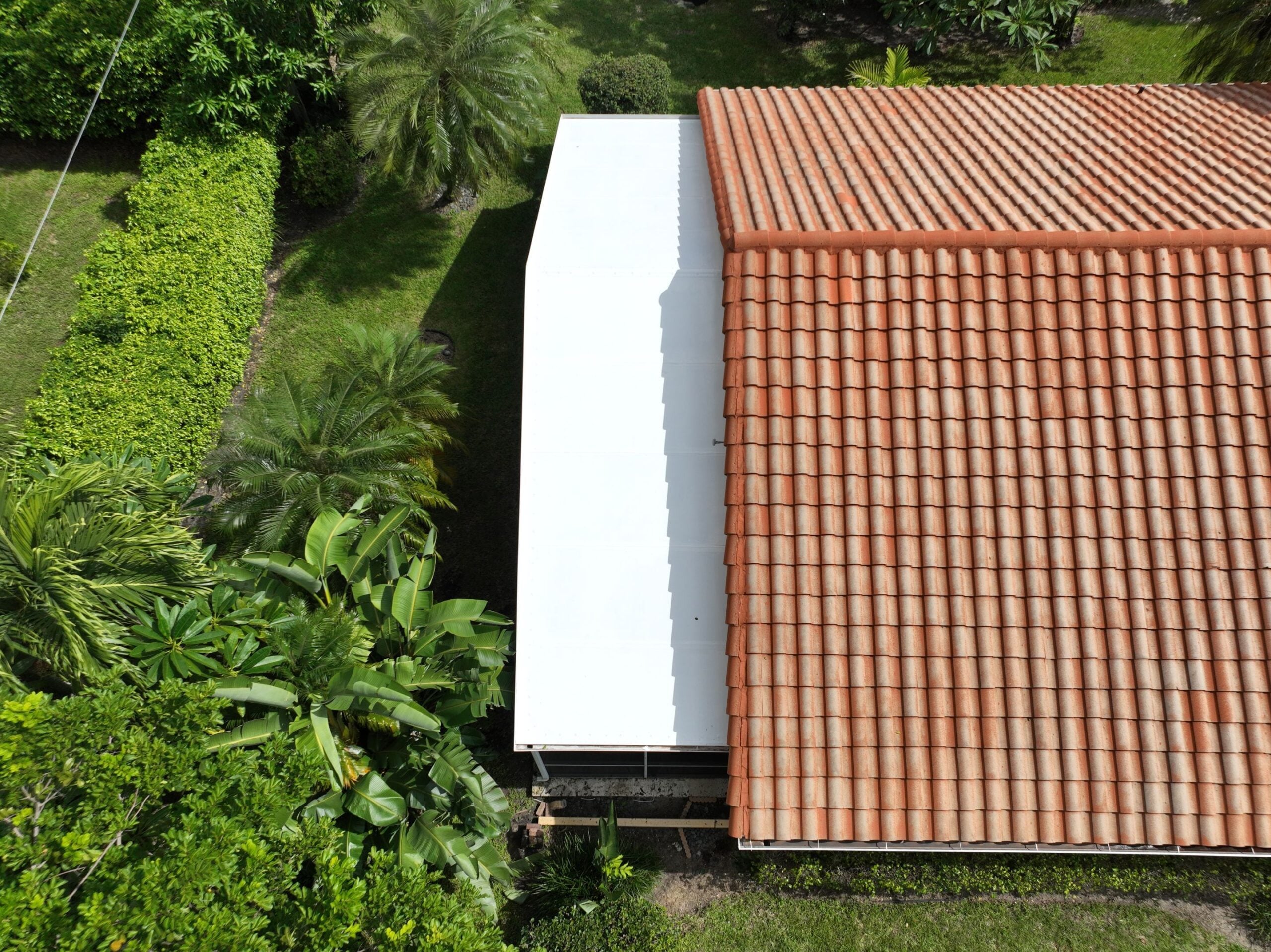
Delray Beach Silicone Roof Coating: Colombo Court Patio Roof Restoration
This Delray Beach silicone roof coating project restored an approximately 400 to 500 square-foot aluminum-panel patio roof at a home in the Bel Air community,
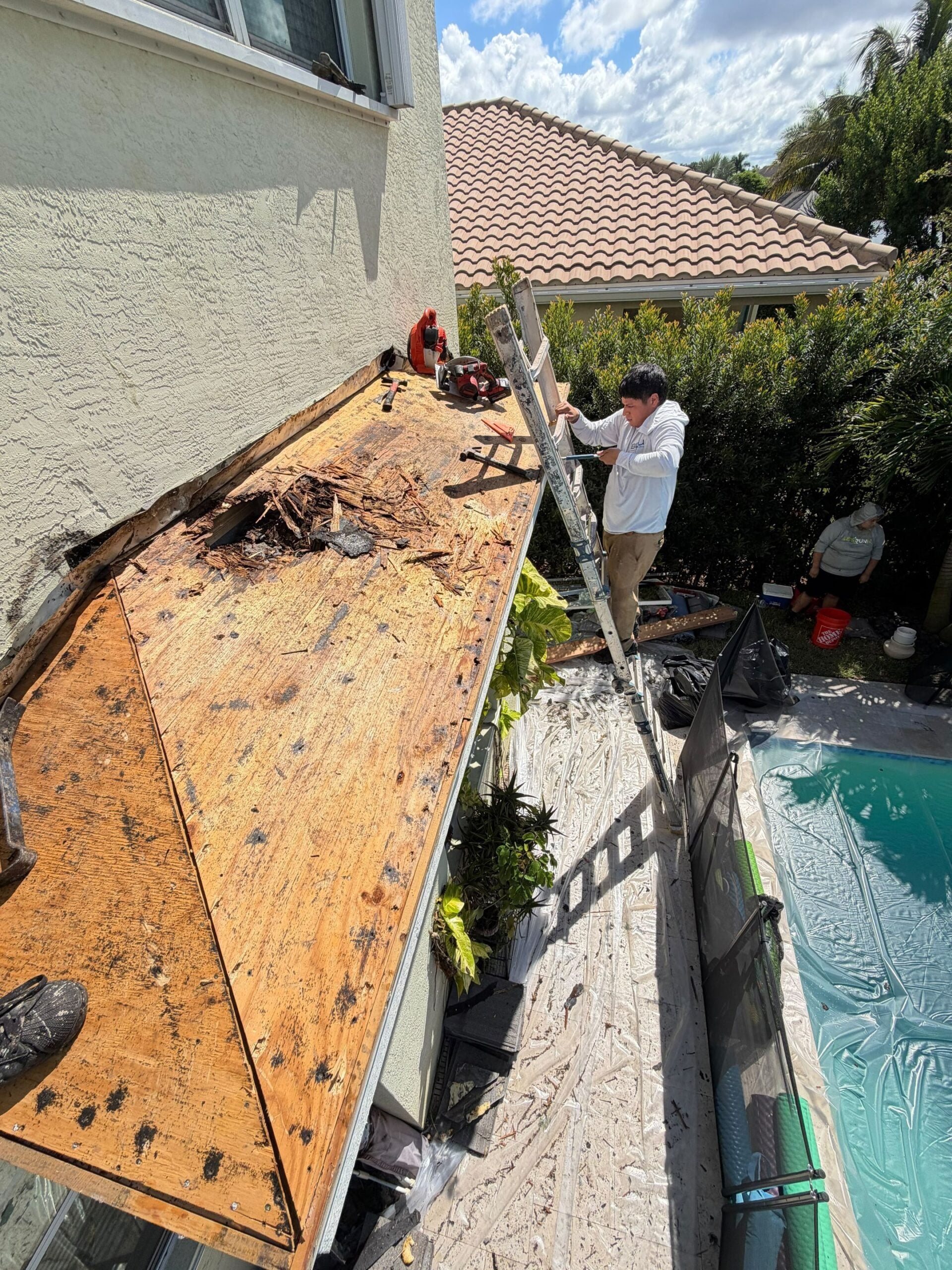
West Palm Beach Tile Roof Repair: PortoSol Eyebrow Roof Repair
This West Palm Beach tile roof repair was completed on a small concrete tile eyebrow roof at a home in the gated PortoSol community, ZIP
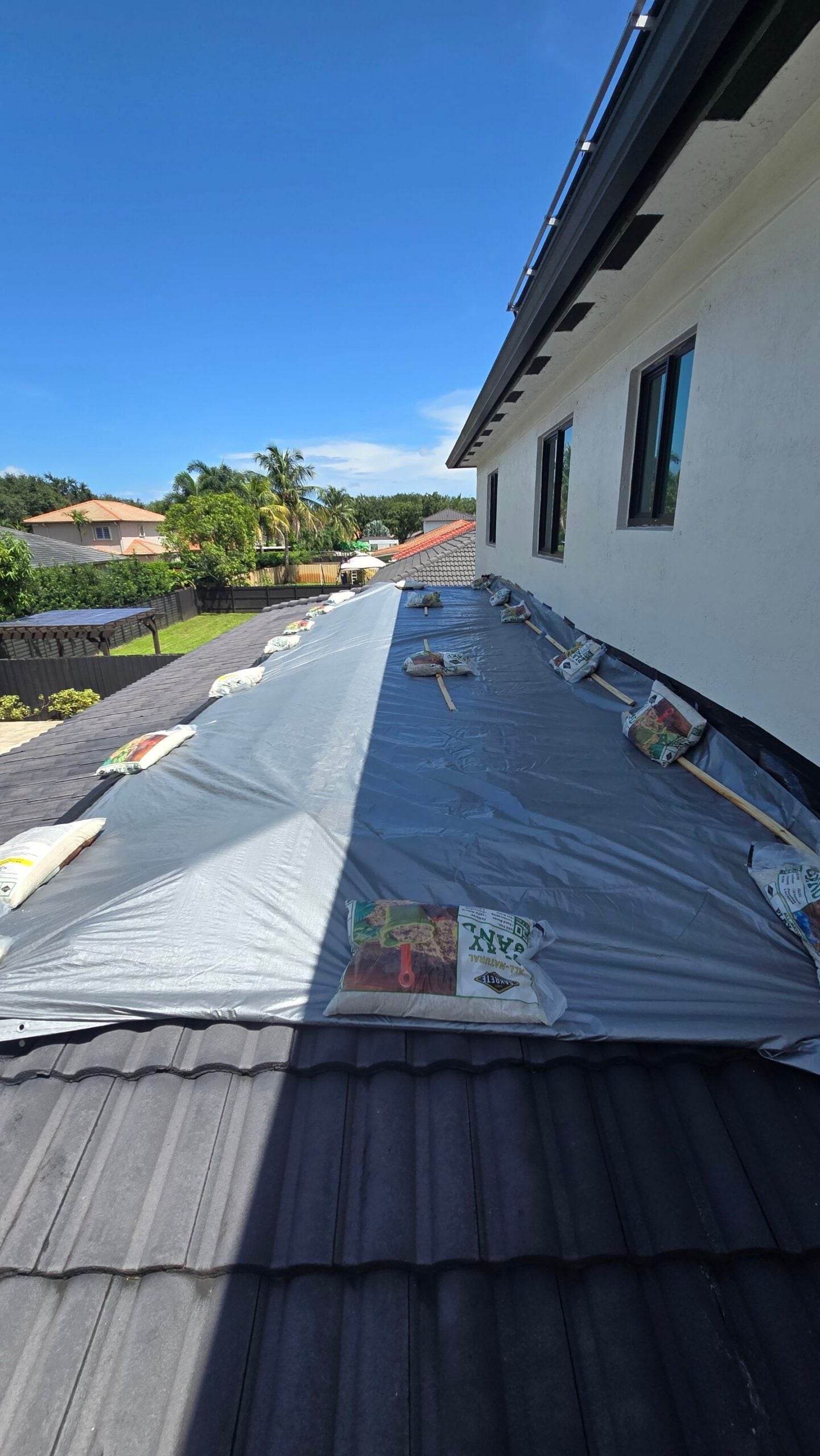
Emergency Roof Tarp Installation for Insurance Mitigation
This emergency roof tarp installation was completed for insurance mitigation at a single-family home in Miami Lakes, Florida. The active leak was at the connection
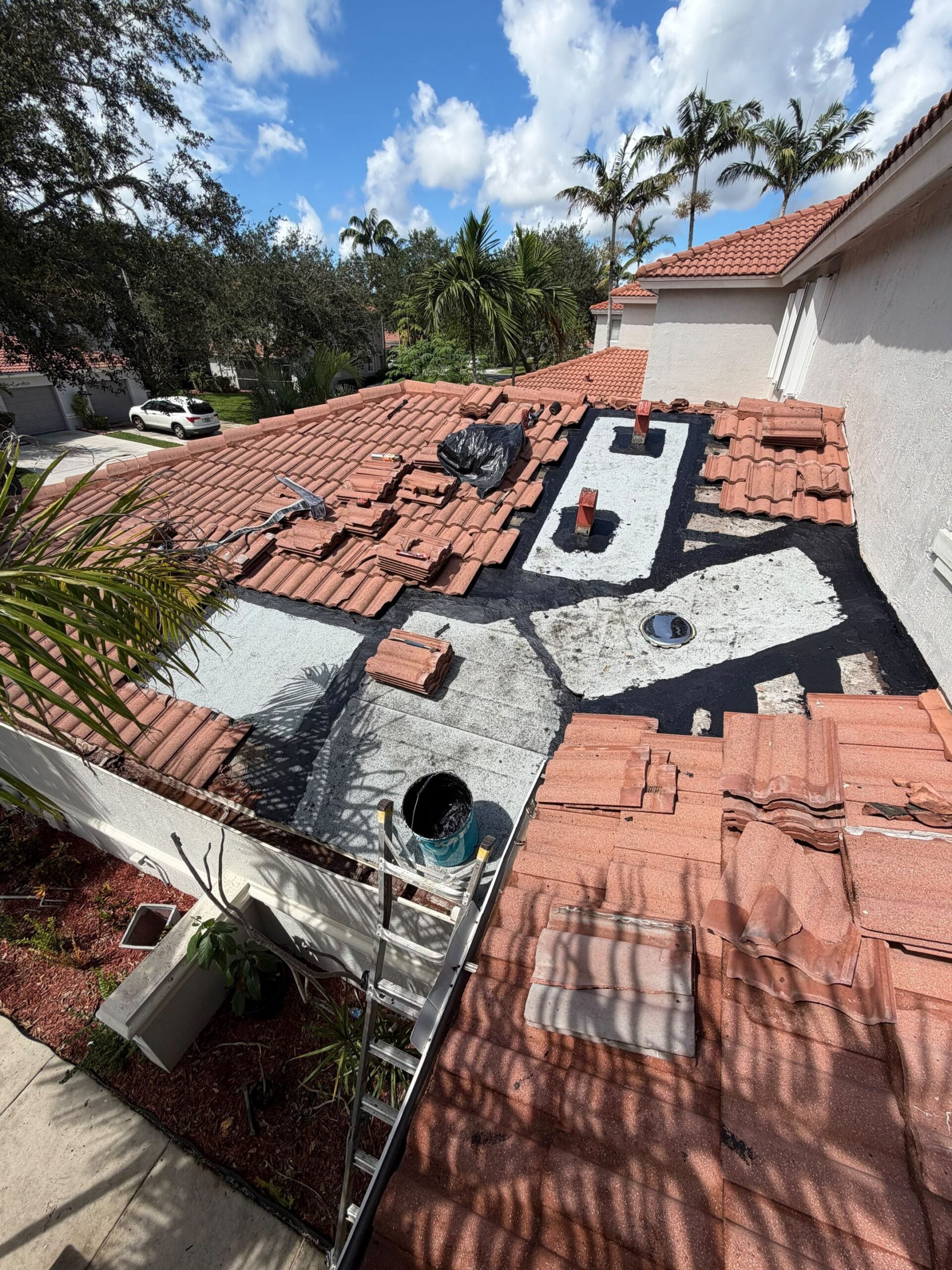
Riviera Beach Tile Roof Repair: Multiple Leaks at a Turtle Cay Townhouse
This Riviera Beach tile roof repair addressed multiple leak areas on a concrete tile townhouse roof in Turtle Cay, Riviera Beach, Florida. The rental property
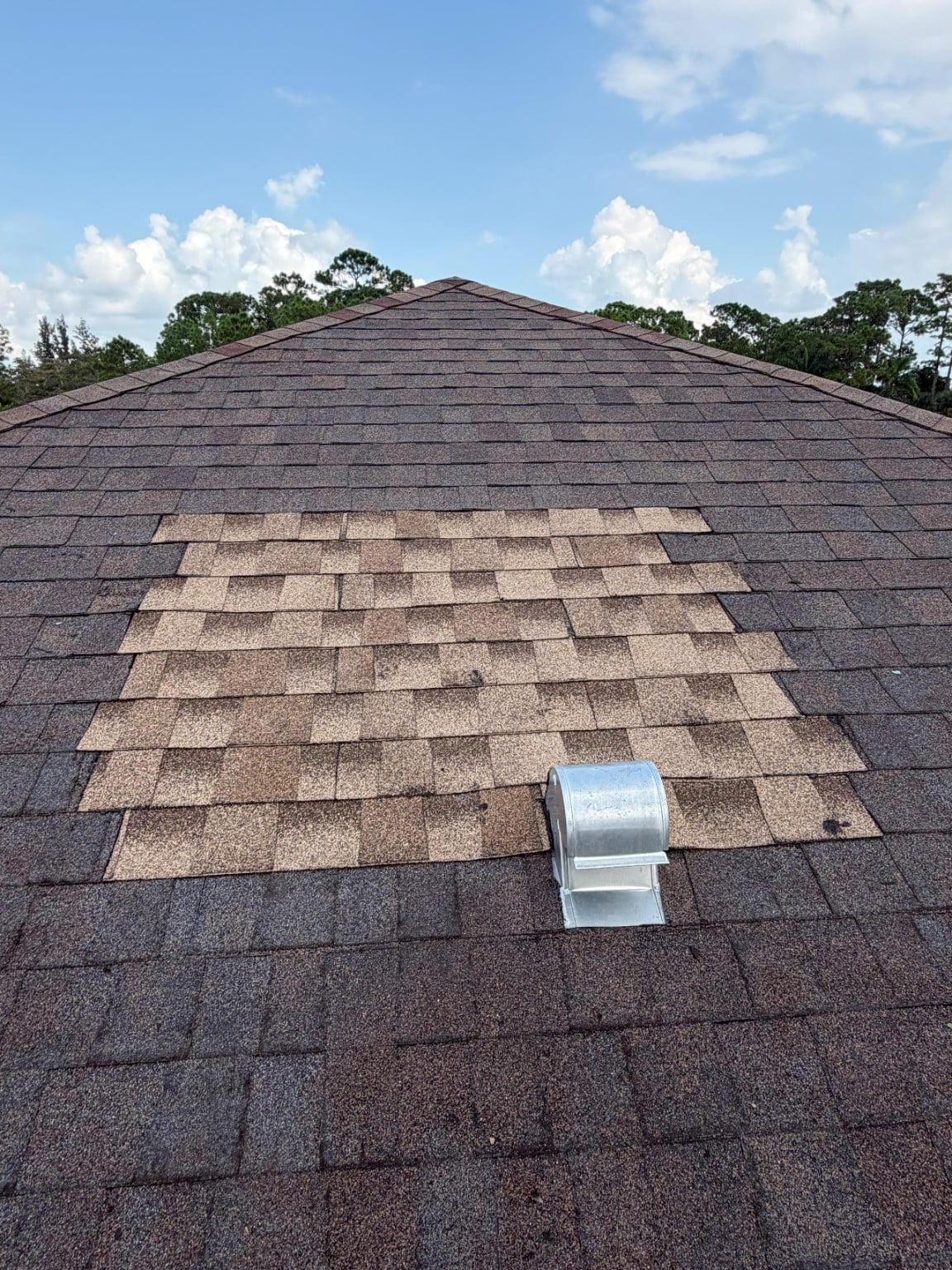
Heritage Farms Shingle Roof Repair: Finding a Leak in a Spray-Foam Attic
This Heritage Farms shingle roof repair involved a difficult-to-locate leak on an eight-year-old asphalt shingle roof in the Heritage Farms equestrian community near Lake Worth
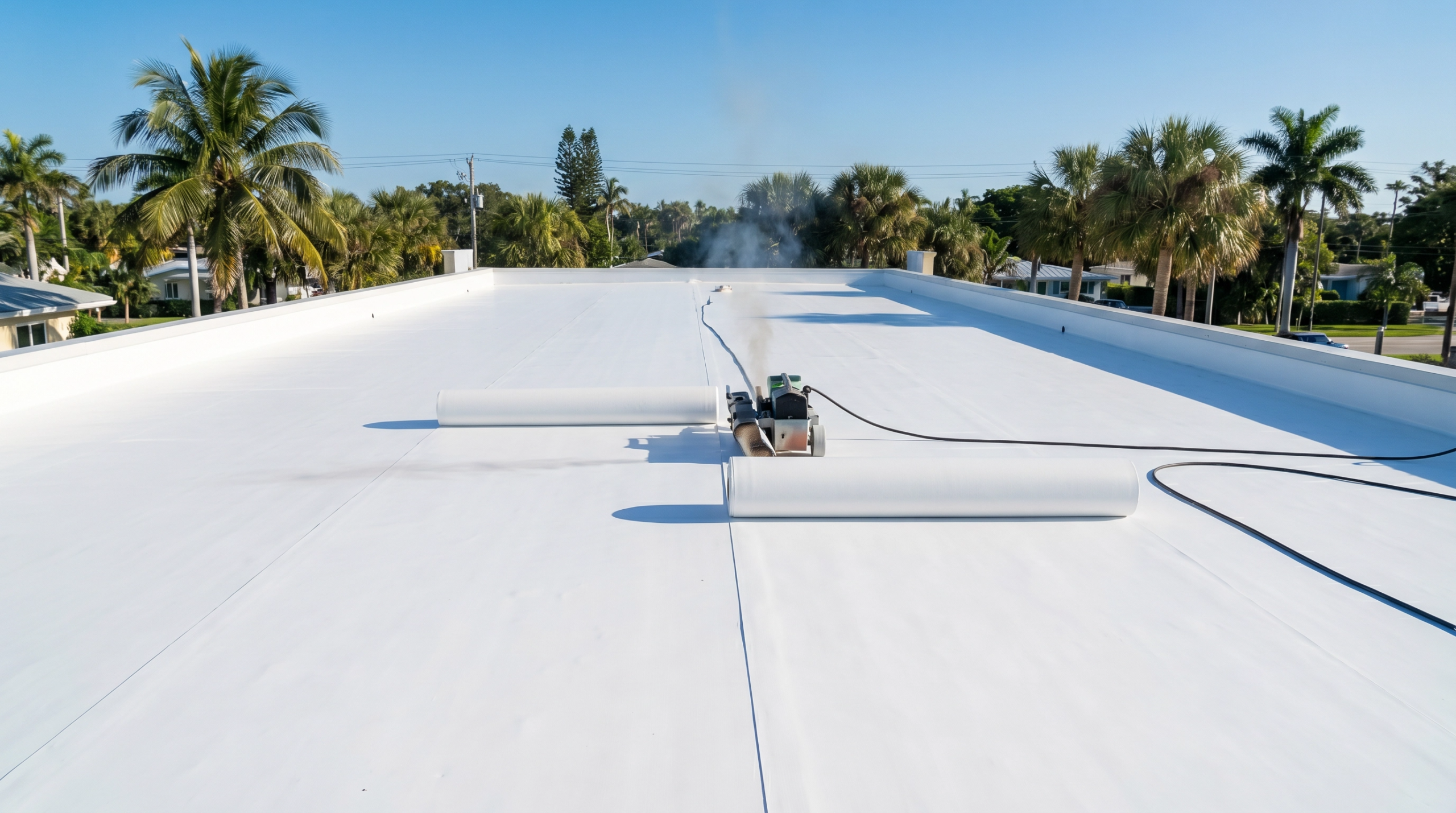
Flat and low-slope roofs are common in Lake Park, from the iconic mid-century residential designs to the bustling commercial corridors. However, unlike pitched roofs that shed water naturally, flat roofs in the 33403 area must be engineered to fight “ponding water” and the corrosive salt-air environment. If you are considering flat roof repair Lake Park FL, or a full system replacement, 2026 technology offers better solutions than ever before.
Quick Summary
In Lake Park, flat roof replacement typically costs between $10 and $18 per square foot. For the best balance of cost and longevity, Modified Bitumen ($10–$15/sq. ft.) remains a popular residential choice. However, for maximum energy efficiency and salt-air resistance near the Lake Park Harbor Marina, TPO and PVC membranes ($12–$18/sq. ft.) are the gold standard, offering up to 30 years of protection and significant cooling savings. Proper drainage is critical to prevent “ponding water” and ensure compliance with 2026 Florida Building Codes.
Table of Contents
- Top 3 Flat Roof Systems for Lake Park in 2026
- The 2026 Lake Park Drainage Standard
- Flat Roof Material Comparison (2026 Lake Park Standards)
- FAQ: Flat Roofs
- BLU Roofing: Expertise in Every Layer
Top 3 Flat Roof Systems for Lake Park in 2026
Flat and low-slope roofs are common on both residential and commercial properties throughout Lake Park. Choosing the right system for your property is crucial, especially given the unique challenges of our South Florida climate. Here are the top three flat roofing systems we recommend for the 33403 area:
1. TPO (Thermoplastic Polyolefin)
TPO has become the leading choice for many Lake Park properties, from commercial buildings to modern residential additions. This single-ply, white membrane is heat-welded at the seams, creating a seamless, waterproof barrier.
- Energy Efficiency: The highly reflective white surface of TPO can reduce your building’s cooling costs by 15-20%, a significant advantage during Lake Park’s long, hot summers.
- Durability: TPO is resistant to UV radiation, punctures, and chemical exposure, making it a robust choice for the South Florida environment.
- Cost-Effective: Offers an excellent balance of performance and cost, making it a popular option for flat roof repair in Lake Park, FL, and full replacements.
2. PVC (Polyvinyl Chloride)
PVC is a premium single-ply membrane, similar to TPO but offering enhanced durability and chemical resistance. It’s often preferred for properties near the Lake Park Harbor Marina or commercial kitchens where grease and chemical exhaust are concerns.
- Exceptional Longevity: PVC roofs are known for their long lifespan, often exceeding 30 years, even under harsh Florida conditions.
- Chemical & Grease Resistance: Its superior resistance to fats, oils, and chemicals makes it ideal for restaurants and industrial applications.
- Salt-Air Protection: The non-porous surface of PVC provides excellent protection against salt spray, crucial for coastal properties in Palm Beach County.
3. Modified Bitumen (Mod-Bit)
Modified Bitumen is a multi-layer asphalt-based system, a modern evolution of traditional built-up roofs. It’s a cost-effective solution that provides excellent puncture resistance and is often chosen for residential flat roofs or smaller commercial properties.
- Puncture Resistance: The reinforced layers offer good protection against foot traffic and falling debris.
- Cost-Effective: Generally a more budget-friendly option for flat roof replacement, offering reliable performance.
- Flexibility: The modified asphalt provides flexibility, allowing the roof to expand and contract with temperature changes without cracking.
The 2026 Lake Park Drainage Standard
One of the most critical aspects of flat roofing in Lake Park is proper drainage. “Ponding water” is water that remains on the roof for more than 48 hours, is a common issue and a code violation under the 9th Edition Florida Building Code. Ponding water accelerates roof deterioration and can void warranties.
During a flat roof replacement, BLU Roofing often installs **Tapered Insulation**. This specialized insulation creates a slight, intentional slope on the roof surface, directing water efficiently towards drains and scuppers. This proactive approach ensures your new flat roof system performs optimally and complies with all local drainage codes, preventing premature failure and costly repairs.
Flat Roof Material Comparison (2026 Lake Park Standards)
Here’s a quick comparison of the top flat roofing systems for Lake Park properties:
| System | Cost Per Sq. Ft. (Avg.) | Expected Lifespan | Key Benefits for Lake Park |
|---|---|---|---|
| Modified Bitumen | $10.00 – $15.00 | 15 – 20 Years | Cost-effective, good puncture resistance, flexible |
| TPO Membrane | $11.00 – $16.00 | 25 – 30 Years | Energy-efficient (cool roof), UV resistant, durable |
| PVC Membrane | $12.00 – $18.00 | 30+ Years | Exceptional longevity, chemical/grease resistant, salt-air protection |
FAQ: Flat Roofs
Q: Can I repair a flat roof leak, or do I need a full replacement?
A: Localized flat roof repairs typically cost between $600 and $1,500. If the leak is isolated and the rest of the membrane is in good condition, a repair is often possible. However, if you see widespread “alligatoring” (cracking) or bubbling, the system has likely reached its end of life and a replacement is recommended.
Q: Why does water pool on my flat roof in Lake Park?
A: Ponding water is usually due to structural settling, insufficient slope, or a poor initial installation. In 2026, BLU Roofing addresses this by installing tapered insulation during a reroof, which creates the necessary slope to direct water toward drains, ensuring compliance with Florida Building Codes.
Q: Is a white flat roof hard to keep clean in South Florida?
A: While dirt and mildew can be more visible on a white TPO or PVC roof, it doesn’t significantly affect its performance or energy efficiency. A light pressure wash every 1-2 years is usually sufficient to maintain its appearance and reflectivity. Regular maintenance is key for all roof types in our climate.
Q: Does my insurance cover flat roof leaks in 33403?
A: If the leak was caused by a “sudden and accidental” event, like a hurricane, tropical storm, or a fallen tree limb, it is likely covered. However, leaks caused by “age and wear” or prolonged “ponding water” are often excluded from standard Florida homeowner policies. Always consult your insurance provider for specific coverage details.
BLU Roofing: Expertise in Every Layer
At BLU Roofing, we understand that flat roofing is a specialized field requiring precise installation and in-depth knowledge of local codes. You can’t trust a “shingle roofer” to handle the complex heat-welding, drainage, and material requirements of a low-slope system. We provide high-performance flat roof solutions that are designed to withstand the 170+ MPH wind requirements and the relentless sun of Palm Beach County.
Dealing with a leak on your flat roof or looking to upgrade to an energy-efficient TPO or PVC system? Call Peter at 561-379-5364 for a professional assessment and a “Built Florida Strong” estimate. We serve properties across Lake Park, North Palm Beach, and Riviera Beach, ensuring your investment is protected.
Planning a larger project? Check our guide on Understanding Lake Park Roofing Permits & Building Codes to see how your flat roof project stays compliant.
Written By: Peter Menke
Peter Menke is the owner of BLU Roofing and has been serving the South Florida roofing industry for over 6 years. He founded BLU Roofing to provide homeowners with transparent, accurate data grounded in the reality of Florida’s unique climate and building codes, information that is often missing from generic national roofing advice. License #CCC1337285
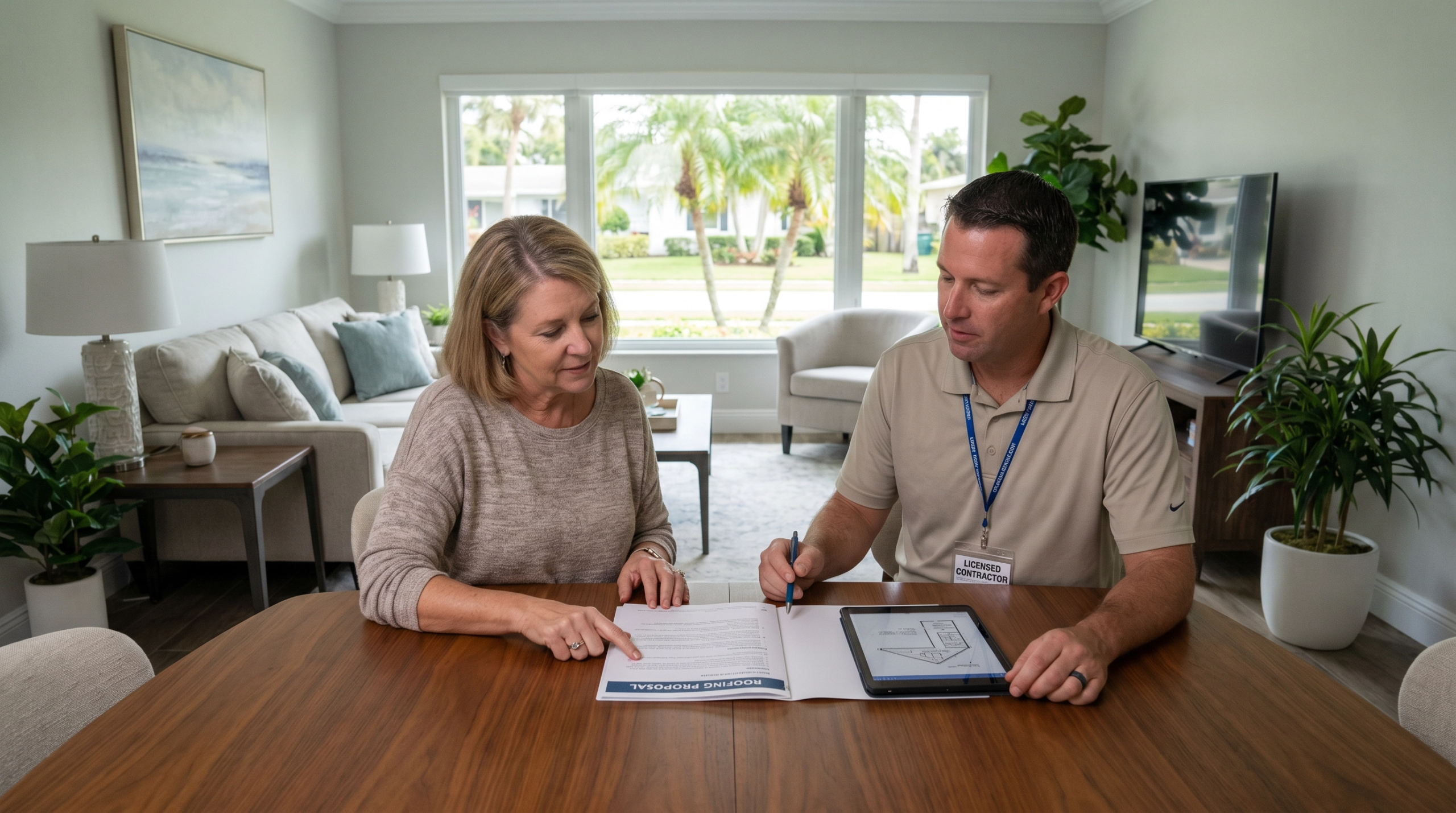
For homeowners in Lake Park, Florida, selecting a roofing contractor is one of the most critical decisions you’ll make for your home’s protection. With the unique challenges of South Florida’s climate, from intense sun to hurricane-force winds—it’s essential to choose a partner who is truly “Built Florida Strong.” This guide will help you navigate the process of hiring a roofing contractor Lake Park FL without getting burned, ensuring your investment is safe and sound in Palm Beach County.
Quick Summary
When hiring a roofing contractor in Lake Park, FL, always verify their active Florida CCC license and ensure they carry comprehensive General Liability and Workers’ Compensation insurance. Prioritize local companies familiar with the Town of Lake Park’s permitting process at 1100 Park Ave. Beware of red flags like demands for large upfront payments or offers to pay your deductible. A reputable contractor provides detailed estimates, clear warranties, and local references, ensuring your 33403 home receives quality, compliant service.
Table of Contents
- Verify Florida Licensing and Insurance
- Local Expertise and Permitting Knowledge
- Red Flags to Watch Out For
- Demand a Detailed Scope of Work and Warranty
- FAQ: Hiring a Roofing Contractor in Lake Park
Verify Florida Licensing and Insurance
Your first step in hiring a roofing contractor Lake Park FL should always be to verify their credentials. In Florida, a legitimate roofing contractor must hold an active Certified Roofing Contractor (CCC) license. Never settle for a general handyman or a home improvement license for roofing work, as these do not qualify them for comprehensive roof replacement or major repairs.
How to Verify a Contractor’s License:
- Florida Department of Business and Professional Regulation (DBPR): Visit the DBPR website and search for the contractor’s license number or company name. Ensure the license is active and check for any disciplinary actions or complaints.
- License Number Display: Reputable contractors, like BLU Roofing (License #CCC1337285 ), are legally required to display their license number on all advertisements, vehicles, and contracts.
Essential Insurance Coverage:
- General Liability Insurance: This protects your property from accidental damage caused by the contractor or their crew during the project. Always ask for a Certificate of Insurance (COI) sent directly from their insurance agent to you.
- Workers’ Compensation Insurance: This is crucial. If a worker is injured on your property and the contractor doesn’t have Workers’ Comp, you could be held liable for medical expenses and lost wages. Again, request a COI directly from their insurer.
Local Expertise and Permitting Knowledge
An experienced local contractor will be intimately familiar with the specific building codes and permitting processes of the Town of Lake Park. This local knowledge is invaluable for a smooth project.
- Town of Lake Park Building Department: A contractor familiar with the local permitting office at 1100 Park Ave will know the nuances of the application process, required inspections, and the 2026 Florida Building Code amendments specific to the 33403 zip code.
- References: Ask for local references from projects completed in Lake Park within the last six to twelve months. A truly local expert will be able to point to homes near the Lake Park Harbor Marina or Kelsey Park that they have personally worked on.
Red Flags to Watch Out For
Protect yourself from unscrupulous contractors by recognizing these common red flags:
| Red Flag | The Risk | What It Means |
|---|---|---|
| Offers to pay your deductible | Insurance Fraud | This is illegal in Florida and can lead to your claim being denied or even criminal charges. |
| High-pressure sales tactics | Poor Quality/Overcharging | Reputable roofers are busy and don’t need to rush you into a decision. |
| Asks you to pull the permit | Unlicensed Activity | A licensed contractor always pulls their own permits. This protects you from liability. |
| Demands large upfront payment (50%+) | Potential Scam/Abandonment | In Lake Park, reputable contractors typically ask for 10-25% upfront to cover initial costs. |
Demand a Detailed Scope of Work and Warranty
A professional roofing estimate should be a comprehensive document, not just a single price. It should clearly outline every aspect of the project.
- Materials: Specific brands, types, colors, and Florida Product Approval numbers for all materials used, ensuring compliance with High-Velocity Hurricane Zone (HVHZ) standards.
- Project Phases: A clear timeline from tear-off to final inspection, including details on debris removal and site cleanup.
- Warranties: Understand the difference between the manufacturer’s warranty on materials and the contractor’s workmanship warranty. A strong workmanship warranty (typically 5-10 years) is a sign of confidence in their work.
FAQ: Hiring a Roofing Contractor in Lake Park
Q: How do I know if a roofer is truly local to Lake Park?
A: Ask for recent references from projects completed in Lake Park. A local expert will be able to point to homes near the Harbor Marina or Kelsey Park that they have personally worked on, demonstrating their familiarity with the area.
Q: What is an “Assignment of Benefits” (AOB) and should I sign one?
A: In Florida, Assignment of Benefits (AOB) was eliminated by law in late 2022. As of 2026, it is illegal for a contractor to require an AOB for a property insurance claim. If a contractor asks you to sign over your insurance rights, they are either out-of-date with Florida law or attempting a scam. You should always maintain control of your claim and work directly with your insurance company.
Q: Can a roofer help me with my insurance claim?
A: A reputable roofer can provide a professional inspection report and meet with your insurance adjuster to discuss technical damage. However, they cannot legally negotiate your claim or act as a Public Adjuster unless they hold that specific license.
Q: What is the typical deposit for a roofing project in Lake Park?
A: In Lake Park, most reputable contractors ask for 10% to 25% upfront to secure the permit and schedule the crew. Be wary of any contractor demanding 50% or more before materials are delivered.
BLU Roofing: Your Trusted Partner in Lake Park
When it comes to hiring a roofing contractor Lake Park FL, transparency, expertise, and local knowledge are paramount. At BLU Roofing, we pride ourselves on providing homeowners across Palm Beach County, including Lake Park, North Palm Beach, and Riviera Beach, with honest assessments and superior craftsmanship. We ensure every project is compliant with local codes and built to withstand Florida’s challenging climate, making your home “Wind-Ready and Water-Tight.”
Don’t leave your home’s protection to chance. Call Peter at 561-379-5364 for a transparent, no-pressure consultation. We’re here to help you make an informed decision and protect your most valuable asset.
For more insights into local regulations, check out our guide on Understanding Lake Park Roofing Permits & Building Codes.
Written By: Peter Menke
Peter Menke is the owner of BLU Roofing and has been serving the South Florida roofing industry for over 6 years. He founded BLU Roofing to provide homeowners with transparent, accurate data grounded in the reality of Florida’s unique climate and building codes, information that is often missing from generic national roofing advice. License #CCC1337285
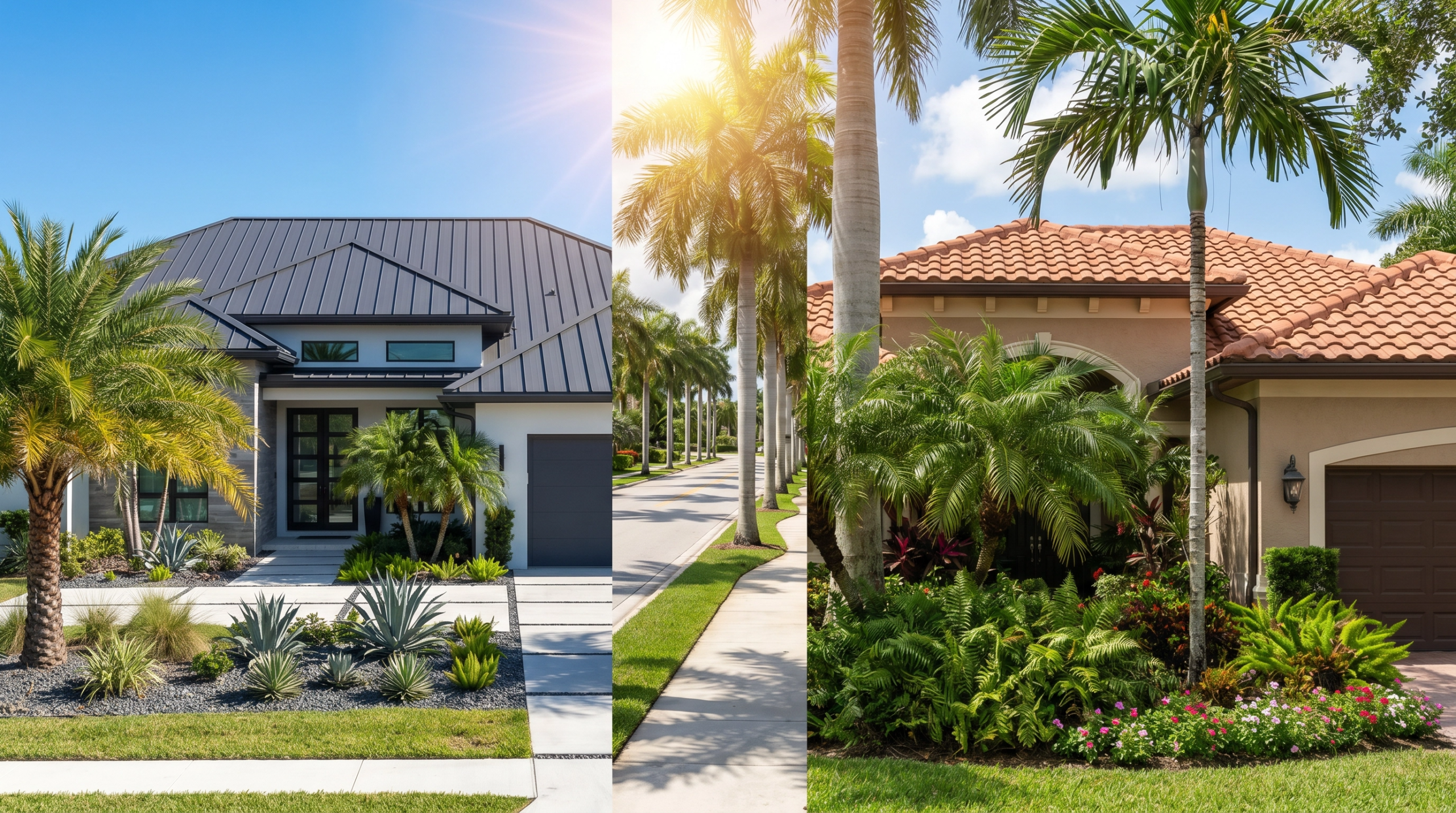
For homeowners in Lake Park, Florida, choosing the right roofing material is a critical decision that impacts durability, aesthetics, and long-term value. With the relentless South Florida sun, corrosive salt air from the Atlantic, and the ever-present threat of hurricane-force winds, your roof needs to be “Built Florida Strong.” This guide delves into the specifics of a metal roof vs tile roof Lake Park, helping you decide which material is best suited for your home in Palm Beach County.
Quick Summary
In Lake Park, FL, both metal and tile roofs offer superior hurricane protection and longevity, but they excel in different areas. Metal roofs, particularly marine-grade aluminum, provide unmatched salt-air resistance and are lightweight, making them ideal for coastal properties near the Lake Park Harbor Marina. Tile roofs offer a classic aesthetic and excellent thermal mass for cooling, though their underlayment typically requires replacement sooner than the tiles themselves. The best choice depends on your home’s specific needs, location within the 33403 zip code, and aesthetic preferences.
Table of Contents
- Metal Roofing for Lake Park Homes: Durability & Efficiency
- Tile Roofing for Lake Park Homes: Classic Beauty & Thermal Mass
- Coastal Considerations: Salt Air and Wind
- Cost, Longevity, and ROI Comparison
- FAQ: Metal vs. Tile Roofs in Lake Park
Metal Roofing for Lake Park Homes: Durability & Efficiency
When considering a metal roof vs tile roof Lake Park, metal roofing, especially standing seam aluminum, stands out for its exceptional durability and performance in coastal environments. Aluminum naturally resists corrosion, making it an excellent choice for homes exposed to the salt-laden air from the Atlantic Ocean and the Intracoastal Waterway.
- Superior Wind Resistance: Modern metal roofing systems are engineered to withstand extreme wind uplift, often rated for speeds exceeding 170 MPH, crucial for hurricane preparedness in Palm Beach County.
- Lightweight Advantage: Metal is significantly lighter than tile, reducing structural stress on your home and often eliminating the need for costly structural reinforcements, particularly for older homes in the 33403 area.
- Energy Efficiency: Many metal roofs feature reflective coatings that can significantly reduce heat absorption, leading to lower attic temperatures and potentially cutting your cooling costs during Lake Park’s hot summers.
- Longevity: A well-installed metal roof can last 50 years or more with minimal maintenance, offering a long-term solution for your home.
Tile Roofing for Lake Park Homes: Classic Beauty & Thermal Mass
Tile roofs, whether concrete or clay, offer a timeless aesthetic that complements many architectural styles found in Lake Park. Beyond their visual appeal, tiles provide excellent thermal properties.
- Aesthetic Appeal: Tile roofs are renowned for their classic Mediterranean and Spanish-inspired looks, adding significant curb appeal and character to homes in neighborhoods like those surrounding the Lake Park Harbor Marina.
- Thermal Mass: The inherent density of tile acts as a natural insulator, slowing down heat transfer into your attic. This can contribute to a more stable indoor temperature and potentially reduce energy consumption.
- Durability Against Impact: Individual tiles are robust and can withstand impacts from hail and flying debris better than some other materials, though they can be brittle and prone to cracking under foot traffic.
- Lifespan: The tiles themselves can last 22 to 35+ years. However, it\’s important to note that the underlayment beneath the tiles, which provides the primary waterproof barrier, typically needs replacement every 20-30 years in Florida’s climate.
Coastal Considerations: Salt Air and Wind
For Lake Park homeowners, the proximity to the coast means that salt air and hurricane-force winds are major factors in roofing material selection. This is where the metal roof vs tile roof Lake Park debate becomes particularly relevant.
- Salt Air Resistance: Marine-grade aluminum metal roofs are virtually impervious to salt corrosion. While tile itself is resistant, the metal components (fasteners, flashing) used in tile installations can be susceptible to rust if not specified with stainless steel or other corrosion-resistant materials.
- Wind Mitigation: Both metal and tile roofs, when installed to current Florida Building Codes, offer excellent wind resistance. However, standing seam metal roofs, with their interlocking panels, often achieve superior wind uplift ratings. Tile roofs rely heavily on the integrity of their underlayment and proper fastening to prevent individual tiles from becoming projectiles in high winds.
Cost, Longevity, and ROI Comparison
Making an informed decision requires weighing the initial investment against long-term benefits.
| Feature | Standing Seam Metal Roof | Concrete/Clay Tile Roof |
|---|---|---|
| Average Installed Cost (2026) | $11 – $18+ per sq. ft. | $11 – $15+ per sq. ft. |
| Expected Lifespan | 30-50+ Years | 22-35+ Years (Underlayment typically 20-30 years) |
| Salt Air Performance | Excellent (especially aluminum) | Good (requires corrosion-resistant fasteners) |
| Wind Resistance | Excellent (high uplift ratings) | Excellent (when properly installed) |
| Maintenance Needs | Low | Moderate (tile cleaning, cracked/broken tiles) |
FAQ: Metal vs. Tile Roofs in Lake Park
Q: Is a metal roof noisier than tile during a Lake Park rainstorm?
A: With modern solid decking and high-quality underlayment, the sound difference is minimal. The sound of rain on a metal roof is often no louder than on a shingle or tile roof when your attic is properly insulated.
Q: Will my insurance be cheaper with metal or tile in Lake Park?
A: In 2026, Florida insurers treat both as “premium” systems. However, metal often receives slightly better wind mitigation credits because it is lighter and less likely to experience “unzipping” in high winds.
Q: Does salt air affect tile roofs?
A: The tiles themselves are highly resistant to salt. However, the metal flashing and fasteners used in tile installations are susceptible to salt corrosion. If you choose tile near the water, you must insist on stainless steel or other corrosion-resistant fasteners.
Q: Can I walk on a tile roof like I can a metal roof?
A: No. Tile is brittle and cracks easily under foot traffic, which can lead to “hidden” leaks. Metal is much more durable for maintenance crews who need to clean gutters or service AC units.
BLU Roofing: Your Trusted Partner for Lake Park Roofs
The choice between a metal roof vs tile roof Lake Park ultimately depends on your priorities, budget, and specific location. At BLU Roofing, we specialize in installing both systems to the highest 2026 standards, ensuring your home in Palm Beach County is protected and beautiful. Whether you prefer the modern resilience of metal or the classic elegance of tile, we provide tailored solutions for homes in Lake Park, North Palm Beach, and Riviera Beach.
Ready to explore the best roofing option for your home? Call Peter at 561-379-5364 for a professional material consultation and a free, no-obligation estimate. We’re here to help you make an informed decision that will protect your investment for decades.
Curious about the overall cost of a new roof? Check out our guide on Roof Replacement Cost in Lake Park for a full breakdown.
Written By: Peter Menke
Peter Menke is the owner of BLU Roofing and has been serving the South Florida roofing industry for over 6 years. He founded BLU Roofing to provide homeowners with transparent, accurate data grounded in the reality of Florida’s unique climate and building codes, information that is often missing from generic national roofing advice. License #CCC1337285
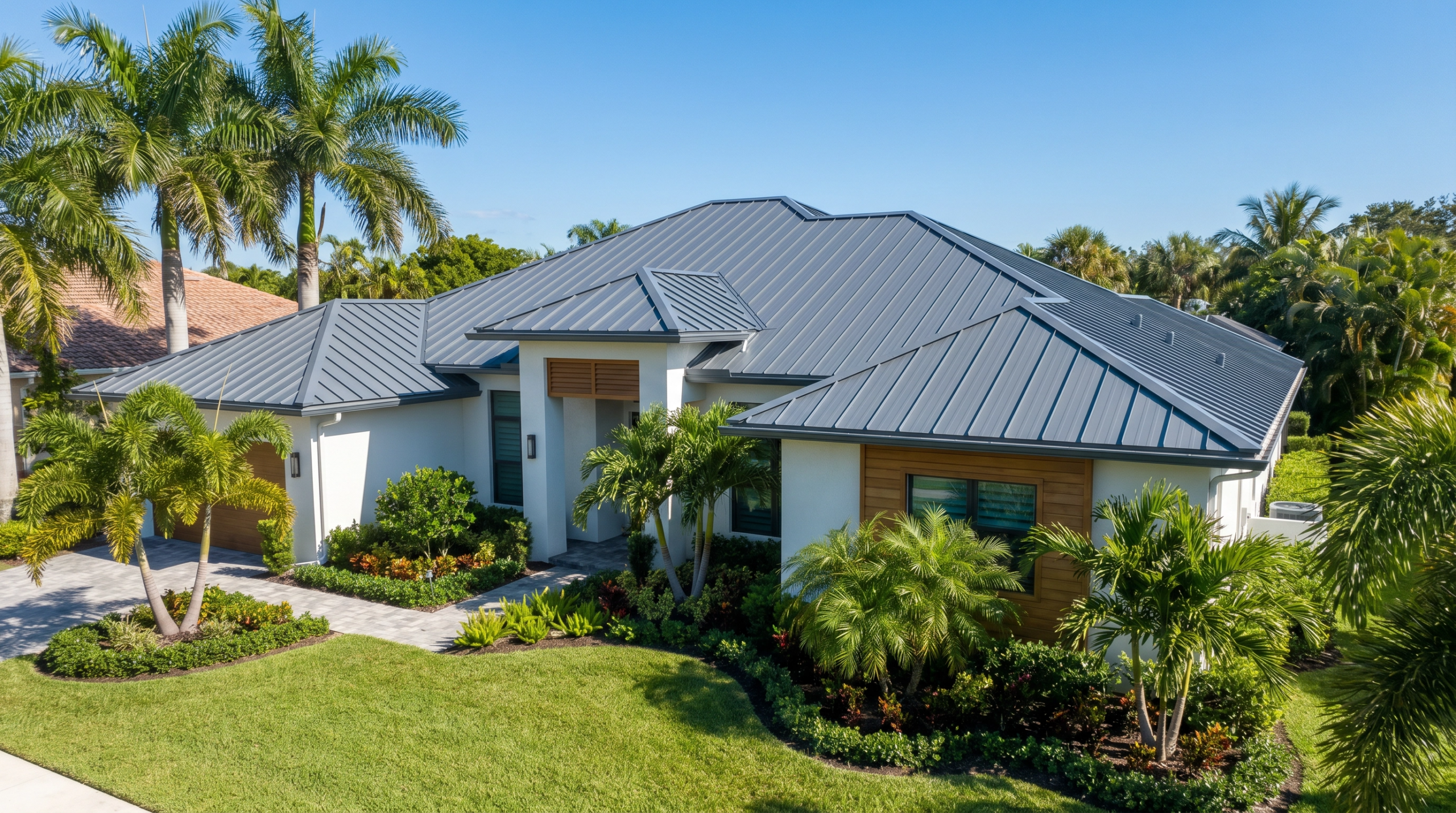
For homeowners in Lake Park, Florida, a new roof is more than just a necessary repair; it’s a significant investment that can dramatically impact your property’s value and appeal. In a competitive real estate market like Palm Beach County, understanding how a new roof home value Lake Park equation works is crucial. This guide explores the tangible and intangible benefits of upgrading your roof, from increased curb appeal to lower insurance premiums.
Quick Summary
A new roof in Lake Park, FL, significantly boosts home value, offering an average ROI of 10-15% on resale. Beyond aesthetics, it provides superior hurricane protection, lowers insurance premiums, and extends the home’s lifespan. For properties in the 33403 zip code, a modern, code-compliant roof is a key selling point, attracting buyers and ensuring long-term structural integrity. Consider it a smart investment for both immediate market appeal and future peace of mind.
Table of Contents
- ROI and Resale Value: What to Expect
- Curb Appeal and First Impressions
- Insurance Savings and Hurricane Protection
- Energy Efficiency and Modern Materials
- FAQ: New Roof & Home Value in Lake Park
ROI and Resale Value: What to Expect
Investing in a new roof home value Lake Park analysis often starts with the return on investment (ROI). While national averages vary, a quality roof replacement in South Florida typically recoups 100+% of its cost at resale. This is particularly true in Lake Park, where buyers prioritize homes that are hurricane-ready and require minimal immediate maintenance. A brand-new roof signals to potential buyers that the home is well-maintained and protected against the elements, a significant advantage in areas like North Palm Beach and Riviera Beach.
Curb Appeal and First Impressions
Beyond the financial ROI, a new roof dramatically enhances a home’s curb appeal. An old, worn, or discolored roof can detract from an otherwise beautiful property. A fresh, modern roof, whether it’s sleek metal, elegant tile, or high-quality architectural shingles, instantly upgrades the home’s exterior. This visual appeal is crucial for making a strong first impression on potential buyers, especially in desirable Lake Park neighborhoods near the Harbor Marina.
Insurance Savings and Hurricane Protection
In 2026, a new roof built to current Florida Building Codes can lead to substantial savings on homeowner’s insurance premiums. Insurance companies offer discounts for roofs with enhanced wind mitigation features, which are standard in new installations. More importantly, a new roof provides superior protection against hurricanes and tropical storms, giving homeowners peace of mind during Florida’s storm season. This is a critical factor for any property in Palm Beach County.
Energy Efficiency and Modern Materials
Modern roofing materials and installation techniques offer improved energy efficiency. Advanced underlayments and reflective coatings can reduce heat absorption, leading to lower cooling costs during Lake Park’s hot summers. This energy efficiency is an attractive feature for environmentally conscious buyers and those looking to reduce their monthly expenses.
FAQ: New Roof & Home Value in Lake Park
Q: How much value does a new roof add to a home in Lake Park?
A: While it varies, homeowners in Lake Park can typically expect to recoup 100%+ of their roof replacement cost at resale. The added value comes from improved aesthetics, enhanced protection, and reduced insurance costs.
Q: Does a new roof help with home insurance in Florida?
A: Absolutely. A new roof installed to current Florida Building Codes, especially with wind mitigation features, can significantly lower your homeowner’s insurance premiums and make your home more insurable.
Q: What type of roof offers the best ROI in Lake Park?
A: While all new roofs add value, metal and tile roofs often offer a higher ROI due to their longevity, durability, and aesthetic appeal, which are highly valued in the South Florida market.
Q: How long does a new roof last in Lake Park’s climate?
A: Lifespan varies by material: asphalt shingles typically last 15-20 years, metal roofs 30-50 years, and tile roofs 22-35 years. Proper maintenance can extend these lifespans.
BLU Roofing: Enhancing Your Lake Park Home’s Value
Understanding the impact of a new roof home value Lake Park is key to smart homeownership. At BLU Roofing, we specialize in installing high-quality, code-compliant roofs that not only protect your home but also significantly enhance its market value. We serve homeowners across Palm Beach County, including Lake Park, North Palm Beach, and Riviera Beach, providing durable and aesthetically pleasing roofing solutions.
If you’re considering a roof replacement and want to maximize your home’s value, call Peter at 561-379-5364 for a comprehensive, no-obligation assessment. We’ll help you choose the best roofing solution for your home and investment.
Curious about the cost? Check out our guide on Roof Replacement Cost in Lake Park for detailed pricing information.
Written By: Peter Menke
Peter Menke is the owner of BLU Roofing and has been serving the South Florida roofing industry for over 6 years. He founded BLU Roofing to provide homeowners with transparent, accurate data grounded in the reality of Florida’s unique climate and building codes, information that is often missing from generic national roofing advice. License #CCC1337285
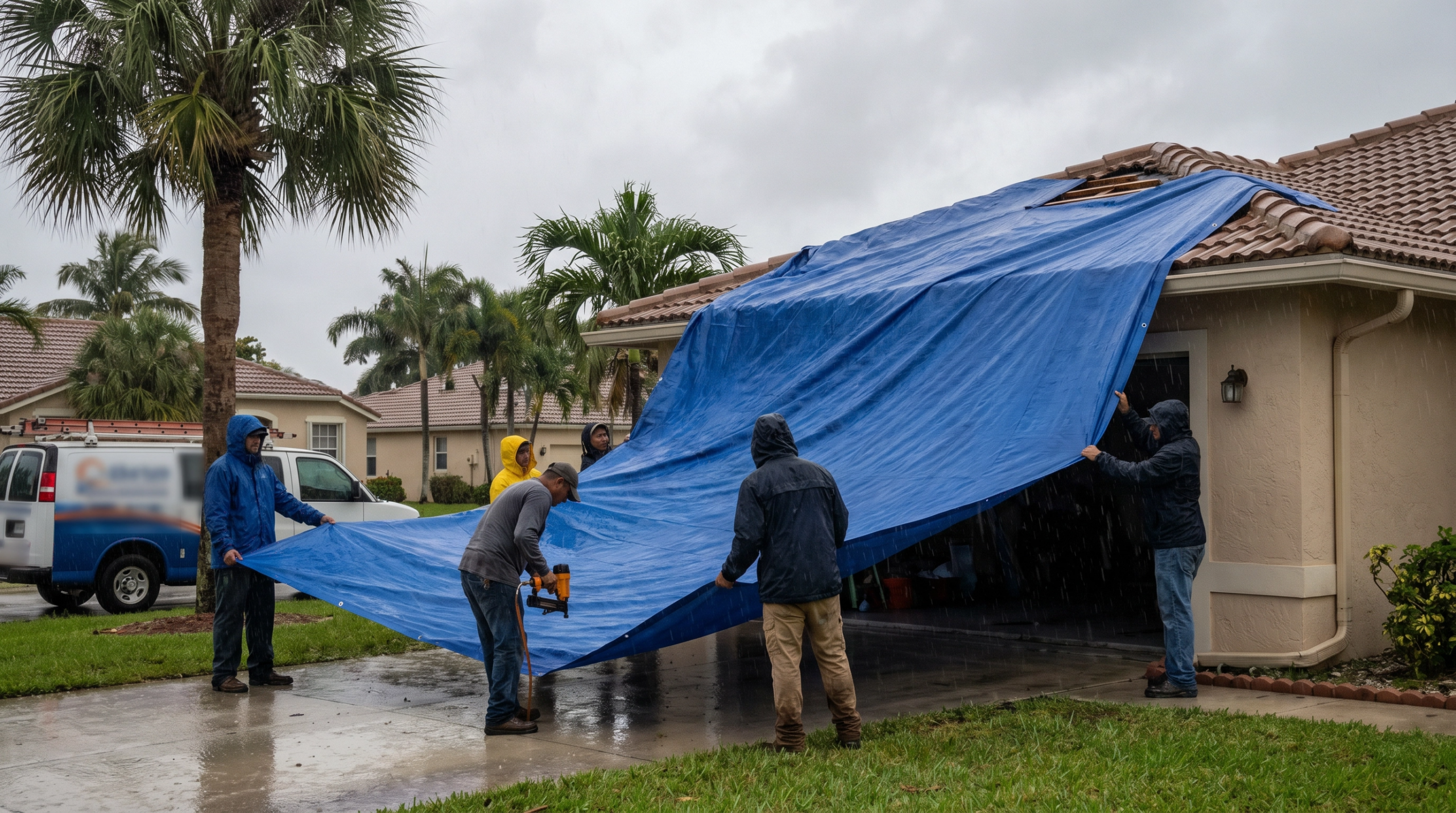
A sudden roof leak in Lake Park, FL, can turn a calm afternoon into a crisis. With our intense South Florida weather, a small drip can quickly escalate into significant water damage, threatening your home and belongings. This emergency roof leak Lake Park FL guide provides immediate, actionable steps to protect your property and navigate the aftermath, ensuring your home in the 33403 zip code is safeguarded.
Quick Summary
If your roof is leaking in Lake Park, FL, prioritize immediate internal water containment and thorough documentation for insurance. Secure a professional emergency roof tarping (typically $650–$1,500 in 2026) to prevent further damage. The Town of Lake Park allows emergency repairs to begin quickly, provided a formal permit is filed within 24–48 hours. Act fast to protect your home and mitigate long-term issues.
Table of Contents
- First Response: Protecting Your Interiors
- Document the Damage for Your Claim
- Professional Tarping: A Critical Temporary Fix
- Navigating Lake Park Emergency Permits
- FAQ: Lake Park Roof Leaks
First Response: Protecting Your Interiors
The moment you discover an emergency roof leak Lake Park FL, your immediate priority is to minimize damage inside your home. Every minute counts to prevent water from ruining furniture, electronics, and flooring.
- Clear the Zone: Quickly move any valuable items away from the leak area. If items are too large to move, cover them with heavy-duty plastic sheeting.
- Catch the Drips: Place buckets or large containers directly under the leak. For persistent drips, you can use a string or piece of cloth to guide the water directly into your container, reducing splashing.
- Relieve Ceiling Pressure: If you notice a bulge or bubble in your ceiling, it indicates water pooling. Carefully poke a small hole in the center of the bulge with a screwdriver to allow the water to drain into a bucket. This prevents a larger, uncontrolled collapse.
Document the Damage for Your Claim
Before any repairs begin, comprehensive documentation is crucial for your insurance claim. Insurance providers in Palm Beach County, especially in 2026, require clear evidence of the damage.
- Photos and Videos: Use your smartphone to take clear, well-lit photos and videos of the leak, the water damage on your ceiling, walls, and any affected personal property. Capture both wide shots and close-ups.
- Date and Time Stamp: Note the exact date and time you discovered the leak. This information is vital for your insurance report.
- Keep Records: Save all receipts for temporary repairs, tarps, or water damage mitigation services.
Professional Tarping: A Critical Temporary Fix
For an emergency roof leak Lake Park FL, professional tarping is often the fastest and safest way to prevent further water intrusion. Attempting to tarp your roof yourself, especially during or after a storm, can be extremely dangerous. BLU Roofing provides rapid-response tarping services.
Emergency Tarping Costs in Lake Park (2026)
| Service Type | Estimated Cost | Typical Coverage |
|---|---|---|
| Standard Professional Tarp | $650 – $1500 | 600-1500sq ft |
| Emergency (After-Hours) | $1,000 – $3,500 | Rush Response |
| Full Roof Shrink-Wrap | $5,000 – $8,000+ | Major Storm Damage |
Navigating Lake Park Emergency Permits
The Town of Lake Park Community Development Department recognizes the urgency of an emergency roof leak Lake Park FL. They have provisions to allow immediate action to prevent further property loss.
- Immediate Action: Essential “dry-in” work, such as tarping and temporary sealing, can often commence without delay to protect your home.
- Post-Emergency Permitting: A formal permit application must typically be submitted to the Town of Lake Park Building Department within 24–48 hours of the emergency work. BLU Roofing handles this expedited process, ensuring compliance with local 33403 building codes. For more details on local building codes, you can refer to the Florida Building Code.
FAQ: Lake Park Roof Leaks
Q: Is it safe to go on my roof during a storm?
A: Absolutely not. Attempting to fix a leak yourself during a storm is extremely dangerous due to wet surfaces, high winds, and potential electrical hazards. Always prioritize your safety and wait for professionals.
Q: Does homeowners insurance cover emergency roof tarping?
A: Most homeowners insurance policies in Palm Beach County cover the cost of emergency tarping, as it’s considered a necessary step to prevent further damage to your property. Many policies even require you to take such measures to avoid claim denial.
Q: How long can an emergency tarp protect my roof?
A: A properly installed, heavy-duty tarp can provide temporary protection for up to 90 days. However, it is crucial to schedule permanent repairs as soon as possible to prevent issues like mold growth and further structural damage.
Q: What if my leak is caused by a fallen tree limb?
A: If a tree limb has damaged your roof, the cost of tree removal and associated roof repairs are often covered by your homeowners insurance, especially if the damage resulted from a covered wind event. BLU Roofing can assist with coordinating these services.
BLU Roofing: Your Emergency Response in Lake Park
When an emergency roof leak Lake Park FL strikes, you need a reliable partner who understands the urgency and local requirements. At BLU Roofing, we specialize in rapid-response stabilization and permanent repair solutions for homes across Palm Beach County, including Lake Park, North Palm Beach, and Riviera Beach. Our team is equipped to handle everything from immediate tarping to navigating the Town of Lake Park permitting process, ensuring your home is “Wind-Ready and Water-Tight.”
Don’t let a roof leak turn into a disaster. If you’re facing an active leak in the Lake Park Harbor Marina area or anywhere in the 33403 zip code, call Peter at 561-379-5364 for immediate emergency assistance. We’re here to help you protect your home and peace of mind.
For long-term solutions, explore our guide on Lake Park Roofing Services to understand your options for durable roof replacements and repairs.
Written By: Peter Menke
Peter Menke is the owner of BLU Roofing and has been serving the South Florida roofing industry for over 6 years. He founded BLU Roofing to provide homeowners with transparent, accurate data grounded in the reality of Florida’s unique climate and building codes, information that is often missing from generic national roofing advice. License #CCC1337285
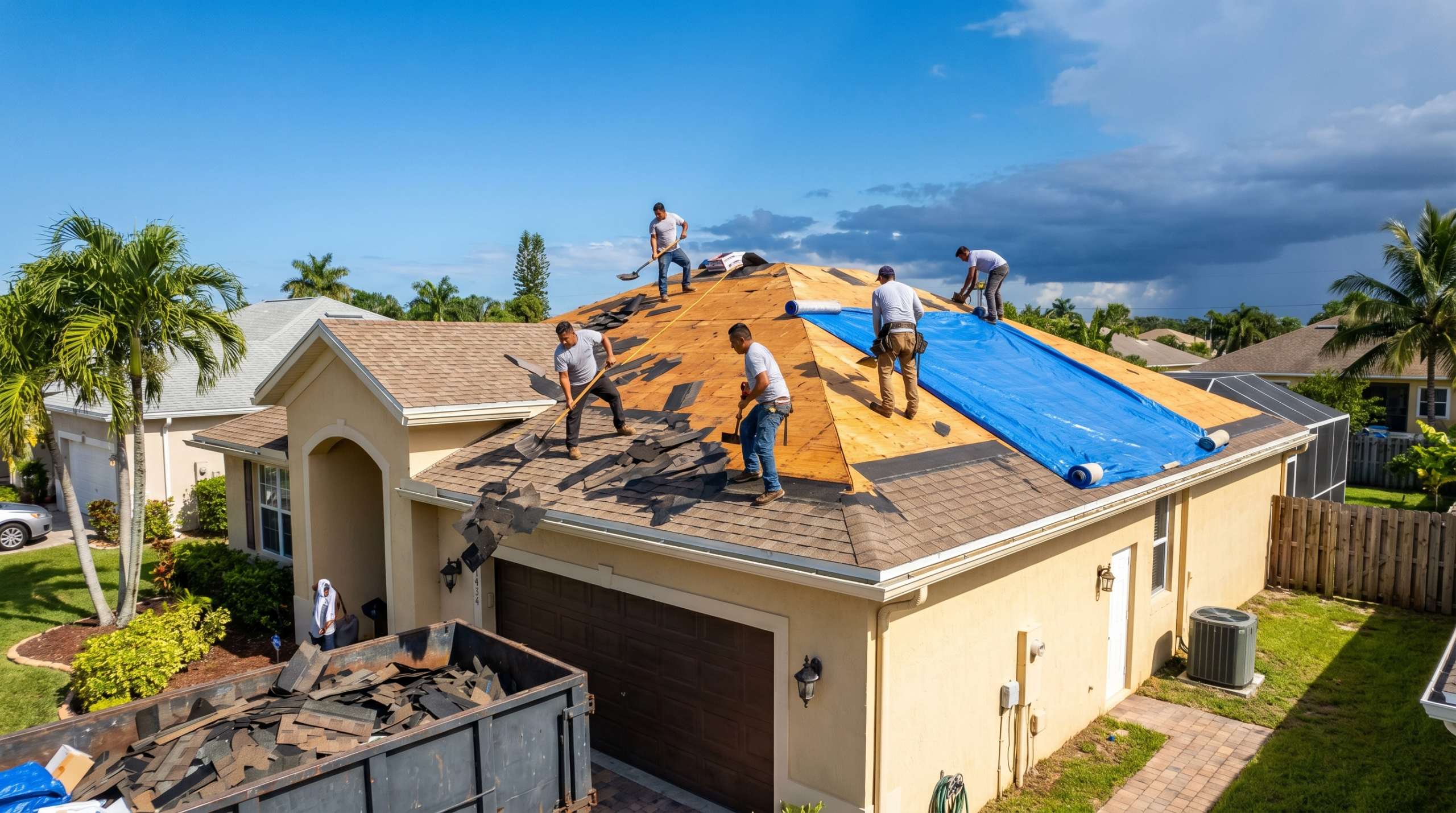
If you’re noticing leaks after a heavy Florida downpour, your first question is likely: “How fast can we get this done?” In Lake Park, the speed of your project depends on more than just how fast a crew can nail down shingles. Between the Lake Park Building Department requirements and our unpredictable 33403 weather, a “Built Florida Strong” roof requires a strategic timeline.
Quick Summary
A standard roof replacement in Lake Park, FL usually takes 14 to 30 days in total. The physical installation for an asphalt shingle roof typically lasts 2–3 days, while tile or metal can take 5–8 days. However, the 2026 permitting process with the Town of Lake Park adds 1–2 weeks of lead time, and mandatory “In-Progress” inspections can pause work for 24–48 hours. Understanding the roof replacement timeline Lake Park FL is crucial for planning your project.
Table of Contents
- Phase 1: Pre-Construction & Permitting (1–2 Weeks)
- Phase 2: The Tear-Off and Dry-In (Days 1–2)
- Phase 3: Inspections and Final Layer (Days 3–7)
- Timeline by Material: Lake Park, FL (2026)
- FAQ: Lake Park Reroofing Timelines
Phase 1: Pre-Construction & Permitting (1–2 Weeks)
In 2026, you cannot start a reroof in Lake Park without an approved permit from the Community Development Department at 1100 Park Avenue. This is often the most variable part of the roof replacement timeline in Lake Park, FL.
- Engineering & Paperwork: We must submit your “Notice of Commencement” and Florida Product Approval numbers for all materials. This ensures compliance with the latest Florida Building Code.
- Review Time: Depending on the season and the Town of Lake Park Building Department’s workload, the town typically takes 5–10 business days to issue the permit. Peak hurricane preparation season (April–June) can extend these timelines.
- Material Delivery: Once the permit is in hand, we coordinate the delivery of materials (tiles, metal panels, or shingles) to your driveway. This is carefully timed to minimize disruption and ensure materials are on-site when needed.
Phase 2: The Tear-Off and Dry-In (Days 1–2)
Once the permit is posted and materials are on-site, the physical work begins. We remove your old roofing material down to the wooden deck. This is the “moment of truth” where we inspect for rotten wood or structural issues that must be repaired to meet 2026 building codes. Any necessary repairs are addressed immediately to ensure a solid foundation for your new roof.
By the end of Day 2, your home is typically “dried-in” with a secondary water barrier. This critical step ensures that even if an afternoon thunderstorm rolls through, your attic and home interior stay dry and protected from water intrusion.
Phase 3: Inspections and Final Layer (Days 3–7)
Lake Park inspectors must verify the “deck-nailing” and underlayment installation before the final roofing material goes on. This is a mandatory step to ensure your roof meets all safety and code requirements.
- In-Progress Inspection: Work often pauses for 24–48 hours while we wait for the Town of Lake Park inspector to sign off on the structural fastening and secondary water barrier.
- Final Installation: Once cleared, we install your shingles, tiles, or metal. Asphalt shingles are generally the fastest to install (1–2 days), while tile roofs require custom fitting and mortar/foam sets that can take 3–5 additional days. Metal roofing, such as standing seam, also requires precise installation over several days.
Timeline by Material: Lake Park, FL (2026)
| Roof Type | Installation Time (Physical Work) | Total Project Span (Including Permitting) |
|---|---|---|
| Asphalt Shingle | 2 – 3 Days | ~3 Weeks |
| Metal (Standing Seam) | 4 – 6 Days | ~4 Weeks |
| Concrete/Clay Tile | 6 – 9 Days | ~5 Weeks |
FAQ: Lake Park Reroofing Timelines
Q: Can rain delay my roof replacement?
A: Yes. In South Florida, we constantly monitor the weather radar. If there is more than a 30% chance of rain, we may delay the “tear-off” phase to ensure your home is never exposed to the elements. However, once the underlayment (dry-in) is properly installed, rain will not stop the project, as your home is protected.
Q: Do I need to leave my house during the replacement?
A: No. You can typically stay in your home during a roof replacement. However, be prepared for high noise levels and vibration during the tear-off and nailing phases. We recommend moving sensitive electronics away from exterior walls and parking cars in the street or a safe distance from the work area to prevent damage.
Q: How long does the Lake Park building permit take in 2026?
A: On average, the permit review and issuance process with the Town of Lake Park Building Department takes between 7 to 14 days. At BLU Roofing, we handle all the necessary paperwork and communication to ensure there are no “corrections” or delays that could push back your project start date.
Q: Does a tile roof really take two weeks to install?
A: The physical tiling process itself can take about a week. However, tile roofs often require a “loading” period where the heavy tiles sit on the roof for a few days to allow the structure to settle before the final installation. This ensures proper adhesion and longevity, contributing to the overall roof replacement timeline in Lake Park, FL.
Built Florida Strong: Respecting Your Time
At BLU Roofing, we know that a roof replacement is a significant undertaking and can be a major disruption to your daily life. That’s why we focus on aggressive project management and transparent communication. By meticulously coordinating with Lake Park inspectors and staging materials in advance, we aim to shave days off the standard **roof replacement timeline in Lake Park, FL** without ever cutting corners on quality or compliance. Our goal is to get your home protected efficiently and effectively.
Ready to get your project on the calendar and ensure your home is “Built Florida Strong”? Call Peter at 561-379-5364 for a consultation and a detailed estimate. We serve homeowners across Palm Beach County, including North Palm Beach and Riviera Beach, providing reliable roofing solutions.
Not sure if you need a full replacement? Check out our guide on Roof Inspection Costs in Lake Park to see if a repair is still an option.
Written By: Peter Menke
Peter Menke is the owner and operator of BLU Roofing LLC. With a focus on transparent communication and technical precision, Peter has managed hundreds of roof replacements across Palm Beach County, ensuring every home is “Wind-Ready and Water-Tight.” Florida License: CCC1337285.
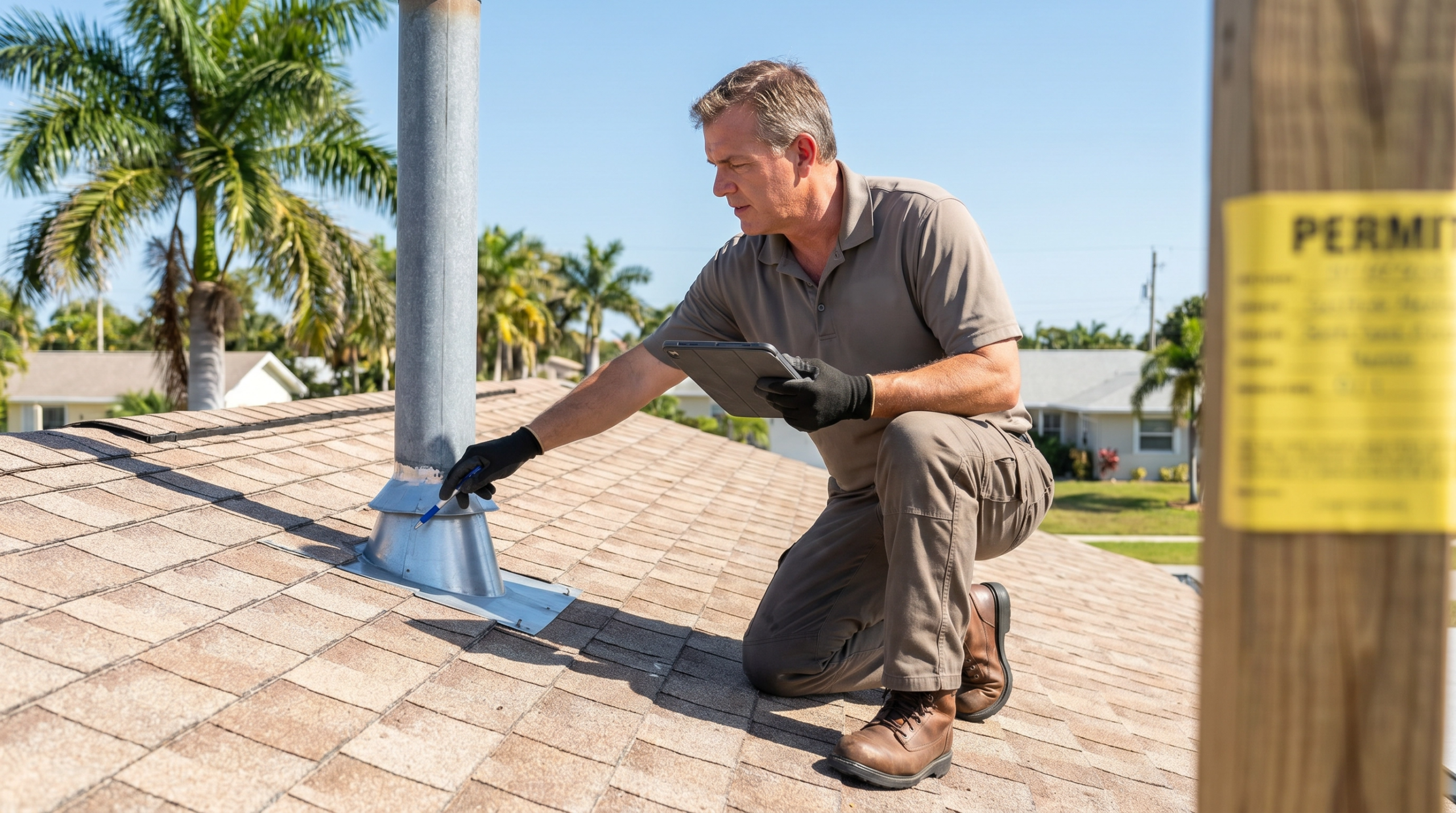
For homeowners in Lake Park, Florida, the roof is the most important component of the house. With hurricane seasons becoming more unpredictable and insurance premiums in the 33403 area reaching all-time highs, knowing the exact condition of your roof isn’t just a good idea, it’s a financial necessity. Understanding the roof inspection cost Lake Park FL is the first step toward long-term peace of mind and protecting your investment in Palm Beach County.
Quick Summary
In 2026, a professional roof inspection in Lake Park, FL typically costs between $150 and $400. While a basic visual check may be on the lower end, specialized Wind Mitigation Inspections or Four-Point Inspections required by Florida insurers usually fall in the $250 range. Investing in an inspection now can save you thousands by identifying minor leaks before they trigger the “25% Rule” or lead to an insurance non-renewal. This proactive step is crucial for hurricane defense and maintaining your home’s value in the 33403 area.
Knowing the roof inspection cost Lake Park FL can help you make informed decisions about your home maintenance.
Table of Contents
- What Factors Influence the Cost?
- The 2026 Pricing Breakdown
- Why You Need an Inspection “Now”
- FAQ: Roof Inspections
What Factors Influence the Cost?
Not all inspections are created equal. The price you pay for a professional evaluation in Lake Park depends on several key factors:
- Type of Inspection: A standard maintenance check is typically less expensive than a certified Wind Mitigation report, which is a specialized inspection required by insurance companies to assess a home’s resistance to wind damage. Similarly, a Four-Point Inspection, often required for older homes during real estate transactions or insurance renewals, has its own pricing structure.
- Roof Material: Inspecting a complex concrete tile roof or a multi-story standing seam metal roof takes more time, specialized knowledge, and safety equipment than a flat asphalt shingle roof. The intricacy and fragility of certain materials can also impact the inspection process.
- Accessibility & Size: Large homes, especially those with steep pitches, multiple levels, or difficult access points (such as properties near the Lake Park Harbor Marina or in areas like North Palm Beach and Riviera Beach), require more labor-intensive inspections. The overall square footage of the roof also plays a significant role in determining the final cost.
The 2026 Pricing Breakdown
In today’s market, here is what you can expect to pay for professional roofing evaluations in Northern Palm Beach County:
Average Roof Inspection Costs: Lake Park, FL (2026)
| Inspection Type | Estimated Cost (2026) | Best For |
|---|---|---|
| Basic Maintenance Check | $150 – $250 | Pre-Hurricane Season, General Condition Assessment |
| Wind Mitigation Report | $175 – $300 | Insurance Discounts, Hurricane Preparedness |
| Full 4-Point Inspection | $300 – $450 | Home Sales, Insurance Renewals for Older Homes |
Why You Need an Inspection “Now”
In Lake Park, timing is everything when it comes to roof maintenance. Waiting until you see a brown spot on your ceiling is usually too late and can lead to significantly higher costs. Here is why we recommend a professional inspection before the summer humidity and hurricane season truly hit:
1. Avoid the “25% Rule”
Under the Florida Building Code, specifically enforced by the Town of Lake Park, if more than 25% of your roof is damaged, you may be legally required to replace the entire system. A $200 inspection can find a small leak that requires a $500 repair, potentially preventing a $20,000 forced replacement later. Understanding and adhering to Lake Park roofing permits and building codes is crucial.
2. Insurance Compliance and Savings
Many South Florida insurers are now requiring “Proof of Life” for roofs over 15 years old. Without a certified inspection report, you risk losing your coverage or facing a massive premium hike. A Wind Mitigation inspection, while an upfront cost, can often pay for itself within a single year through significant insurance premium credits, especially for homes with hurricane-resistant features. Learn more about best roofing materials for salt air protection to maximize your wind mitigation credits.
3. Storm Readiness
A “Wind-Ready” roof is one that has been checked for loose shingles, cracked tiles, and compromised flashing. These small vulnerabilities are exactly what high winds and heavy rains exploit during a tropical storm or hurricane. A proactive inspection ensures your roof is prepared to protect your home and family when severe weather strikes Palm Beach County.
FAQ: Roof Inspections
Q: How long does a roof inspection take in Lake Park?
A: For a standard residential home in the 33403 zip code, a thorough inspection typically takes between 45 and 90 minutes. This includes checking the attic (if accessible), the exterior perimeter, and the entire roof surface for any signs of wear, damage, or potential issues.
Q: Will my insurance pay for the roof inspection?
A: Generally, no. The cost of a standard roof inspection is considered an out-of-pocket maintenance expense. However, a Wind Mitigation inspection is a specific type of inspection that can lead to significant discounts on your homeowner’s insurance premiums, often making the initial cost well worth the investment.
Q: Should I get a free inspection from a contractor?
A: Many contractors offer free “estimates” or “inspections.” While these are useful for identifying obvious damage or providing a quote for repairs, they are not the same as a certified, multi-page inspection report used for insurance purposes or real estate transactions. For official documentation or a truly unbiased assessment, a paid, detailed inspection from a reputable company is recommended.
Q: What happens if the inspector finds damage?
A: If damage is found during the inspection, you will receive a detailed report with photographic evidence and clear explanations. At BLU Roofing, we provide a transparent path forward, whether it’s a minor repair, a recommendation for a full replacement, or a long-term maintenance plan to extend the life of your roof. We’ll discuss all options and help you make an informed decision.
Written By: Peter Menke
Peter Menke is the owner and founder of BLU Roofing LLC. As a Florida Certified Roofing Contractor, he has performed thousands of inspections across Palm Beach County, helping homeowners secure their properties and their insurance coverage. He is dedicated to providing transparent, accurate data grounded in the reality of Florida’s unique climate and building codes. Florida License: CCC1337285.
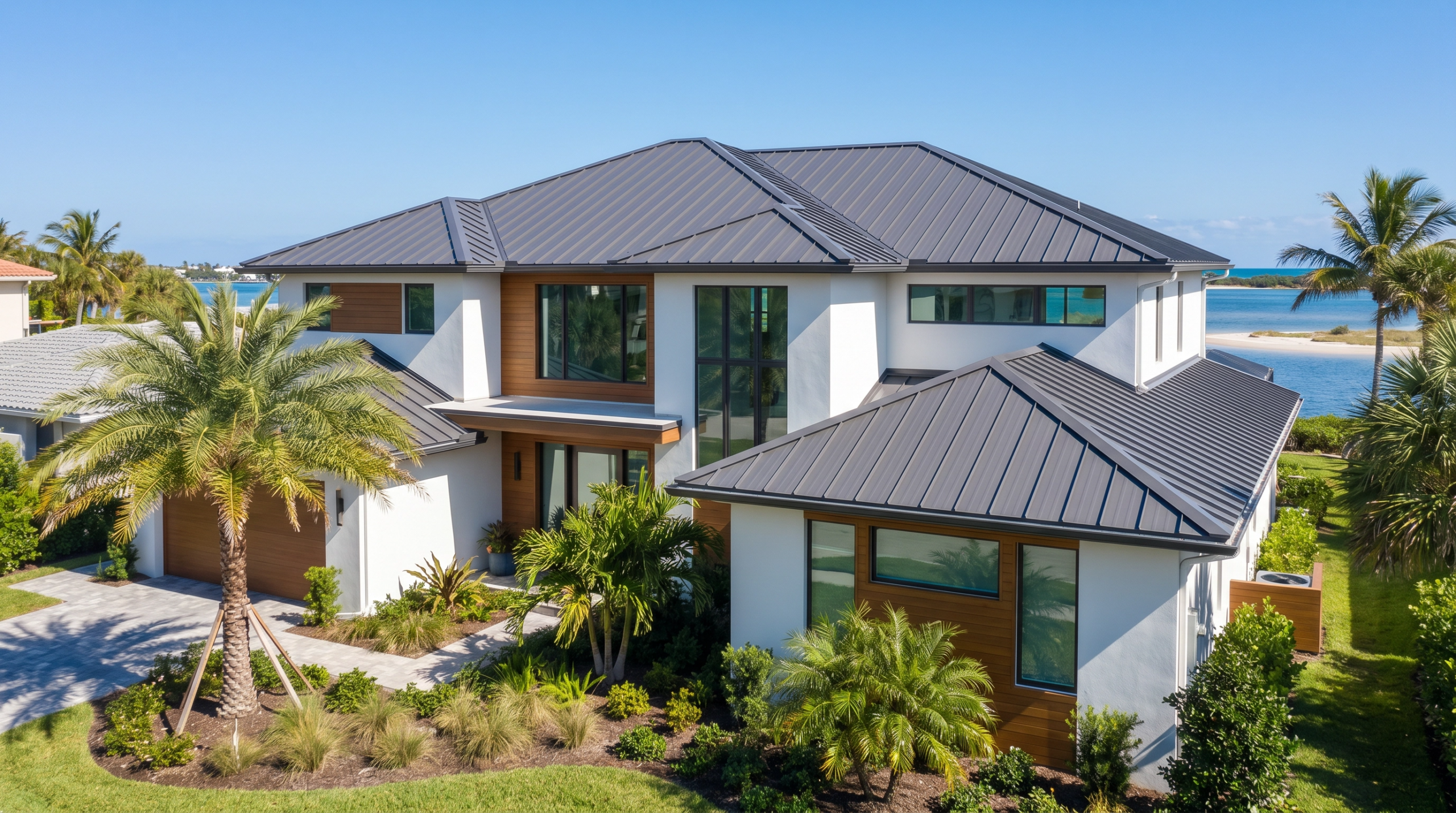
For homeowners in Lake Park, Florida, choosing the right roofing material is paramount. The unique challenges of South Florida’s climate, intense sun, heavy rains, hurricane-force winds, and pervasive salt air, demand materials that offer superior protection and longevity. This 2026 guide will explore the best roofing materials for Lake Park homes, focusing on their ability to withstand the coastal environment and protect your investment in Palm Beach County.
Quick Summary
The best roofing materials for Lake Park homes prioritize durability against salt air, sun, and hurricanes. Aluminum roofing offers superior salt-air resistance and reflectivity, ideal for coastal properties. Concrete and clay tiles provide excellent longevity and wind resistance, though they absorb and retain heat. Advanced architectural shingles are a cost-effective option if rated for high winds and algae resistance. Selecting the right material is crucial for protecting your Palm Beach County home.
Table of Contents
- Challenges of the Lake Park Climate
- Top Roofing Materials for Lake Park Homes
- Material Comparison: Salt Air & Sun Protection
- Making the Right Choice for Your Lake Park Home
- FAQ: Best Roofing Materials Lake Park
Challenges of the Lake Park Climate for Roofing
Living in Lake Park, especially near the Lake Park Harbor Marina or along the Intracoastal, means your home is constantly exposed to a harsh coastal environment. The primary threats to your roof include:
- Salt Air Corrosion: The constant presence of salt in the air can accelerate the degradation of many roofing materials, leading to rust, pitting, and reduced lifespan.
- Intense UV Radiation: South Florida’s relentless sun beats down year-round, causing materials to fade, crack, and become brittle over time.
- Hurricane-Force Winds: Annual hurricane seasons bring the risk of extreme winds that can lift, tear, and dislodge roofing components.
- High Humidity & Algae Growth: Persistent humidity creates an ideal environment for mold and algae, leading to unsightly black streaks and potential material breakdown.
Choosing the best roofing materials for Lake Park homes means selecting options specifically engineered to combat these environmental factors.
Top Roofing Materials for Lake Park Homes
Based on BLU Roofing’s extensive experience in Palm Beach County, here are the top roofing materials that perform exceptionally well in the Lake Park area:
1. Aluminum Roofing: The Coastal Champion
For homes situated closer to the coast, particularly in areas like North Palm Beach or Riviera Beach, aluminum roofing is often the superior choice. Unlike steel, aluminum does not rust when exposed to salt air. Instead, it forms a protective oxide layer, making it incredibly durable in marine environments.
- Salt Resistance: Naturally resistant to corrosion from salt spray.
- Energy Efficiency: Highly reflective, aluminum can significantly reduce attic temperatures and lower cooling costs.
- Longevity: With proper installation, aluminum roofs can last 50 years or more.
- Lightweight: Its light weight means less stress on your home’s structure.
2. Concrete and Clay Tile: Durable & Aesthetic
Concrete and clay tiles are a classic choice throughout Palm Beach County, known for their distinctive aesthetic and robust performance. While they are not thermal giants in terms of immediate cooling, their mass means they absorb and retain heat, which can be a factor to consider. However, their durability against wind and their long lifespan make them a popular option.
- Wind Resistance: The weight and interlocking design of tiles provide excellent resistance to hurricane-force winds.
- Longevity: Can last 40-50 years or more with minimal maintenance.
- Aesthetics: Available in a wide range of styles and colors, complementing various architectural designs common in Lake Park.
- Heat Retention: Tiles absorb and retain heat, which can contribute to higher attic temperatures if not properly ventilated.
3. Advanced Architectural Shingles: Modern & Cost-Effective
Modern architectural shingles have evolved significantly, offering a more durable and aesthetically pleasing alternative to traditional 3-tab shingles. For Lake Park homes, it’s crucial to select shingles specifically rated for high winds (Class H or higher) and treated with algae-resistant granules to combat the humid climate.
- Cost-Effective: Generally a more budget-friendly option compared to metal or tile.
- Wind Resistance: High-quality architectural shingles are designed to withstand winds up to 130 mph.
- Algae Resistance: Specially treated granules help prevent the growth of black algae streaks.
- Versatility: Available in many colors and styles to enhance curb appeal.
Material Comparison: Best Roofing Materials for Lake Park Homes
Here’s a quick comparison of the best roofing materials for Lake Park homes, considering the local climate challenges:
| Material | Salt Air Resistance | Sun Protection | Wind Resistance | Typical Lifespan |
|---|---|---|---|---|
| Aluminum | Excellent | Excellent (Reflective) | Excellent | 30-50 Years |
| Concrete/Clay Tile | Very Good | Very Good (High Mass) | Excellent | 22-35 Years |
| Architectural Shingles | Good (Algae Resistant) | Good | Good (High Wind Rated) | 15-20 Years |
Making the Right Choice for Your Lake Park Home
Selecting the best roofing materials for Lake Park homes involves weighing factors like budget, aesthetic preferences, and the specific environmental exposure of your property. For instance, a home directly on the Intracoastal Waterway might benefit most from aluminum, while a property further inland could find excellent value in high-quality architectural shingles or tile.
It’s always recommended to consult with a local, experienced roofing contractor who understands the nuances of the Florida Building Code and the unique demands of the Palm Beach County climate. They can provide a thorough inspection and recommend the optimal solution for your home’s long-term protection.
FAQ: Best Roofing Materials Lake Park
Q: What is the most durable roofing material for Lake Park’s salt air?
A: Aluminum roofing is highly recommended for its natural resistance to salt air corrosion, making it an excellent choice for coastal properties in Lake Park.
Q: Do concrete and clay tiles keep a house cooler in Florida?
A: While concrete and clay tiles have high thermal mass, meaning they take longer to heat up, they also retain heat for longer. Proper attic ventilation is crucial to prevent this retained heat from transferring into your living space.
Q: How often should I inspect my roof in Lake Park?
A: It is recommended to have your roof inspected at least once a year, and always after a major storm, to identify and address any potential issues early.
Q: Can I use any type of shingle in Lake Park?
A: No, due to Florida’s strict building codes and hurricane risks, you must use architectural shingles rated for high winds (typically 130 mph or higher) and preferably with algae-resistant properties.
Written By: Peter Menke
Peter Menke is the owner of BLU Roofing and has been serving the South Florida roofing industry for over 6 years. He founded BLU Roofing to provide homeowners with transparent, accurate data grounded in the reality of Florida’s unique climate and building codes, information that is often missing from generic national roofing advice. License #CCC1337285
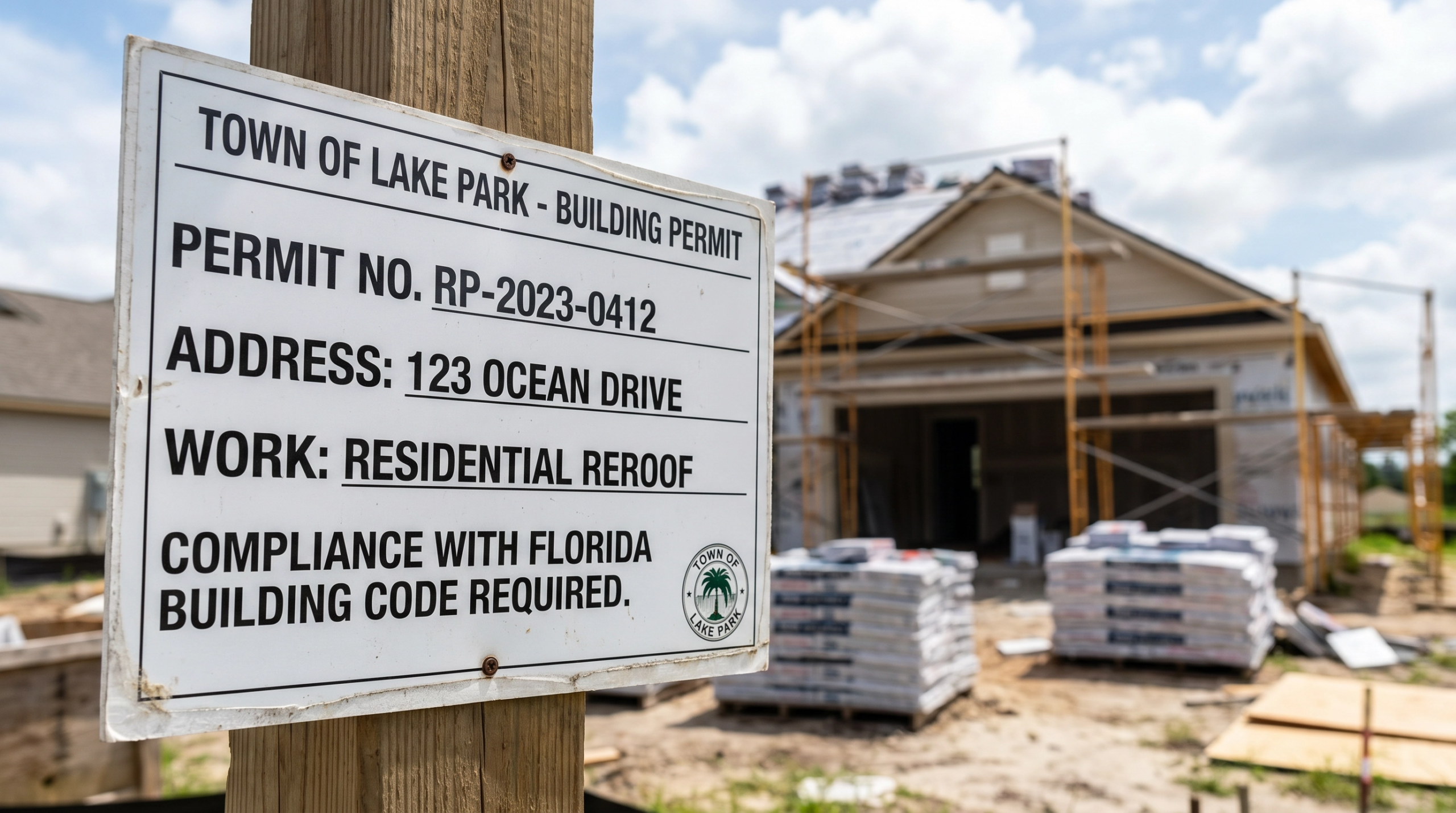
For homeowners in Lake Park, Florida, undertaking any roofing project requires a clear understanding of local regulations. Navigating the world of Lake Park roofing permits and building codes can seem complex, but adhering to these guidelines is crucial for ensuring your home remains safe, compliant, and insurable. This 2026 guide will demystify the process, highlighting key aspects of the Florida Building Code and the specific requirements set forth by the Town of Lake Park, helping you protect your investment in Palm Beach County.
Quick Summary
In 2026, all roofing projects in Lake Park must comply with the 9th Edition of the Florida Building Code. This requires a formal permit from the Town of Lake Park Community Development Department for any work exceeding 25% of the roof area. Key requirements include High Velocity Hurricane Zone (HVHZ) engineering, a Notice of Commencement for jobs over $5,000, and strict adherence to secondary water barrier (SWB) standards to maintain insurance eligibility. Understanding Lake Park roofing permits is essential for homeowners in the 33403 zip code.
Table of Contents
- Why Lake Park Roofing Permits Matter
- The 2026 Florida Building Code (9th Edition)
- The “25% Rule” in Lake Park
- Key Steps for Lake Park Permit Compliance
- Lake Park Roofing Permit Requirements at a Glance
- FAQ: Lake Park Roofing Permits
Why Lake Park Roofing Permits Matter
For homeowners in the 33403 zip code, a new roof or significant repair is more than a cosmetic upgrade, it is a legal and structural necessity that must be documented with the Town of Lake Park. Obtaining the correct Lake Park roofing permits ensures that your project meets the stringent safety and construction standards designed to protect your property from Florida’s severe weather. Proper permitting also safeguards your home’s insurability and resale value, preventing potential issues down the line.
The 2026 Florida Building Code (9th Edition)
As of 2026, all roofing work in Florida, including Lake Park, operates under the 9th Edition of the Florida Building Code. This edition has introduced even stricter standards for fastener patterns, underlayment materials, and overall structural integrity, especially for coastal towns like Lake Park that fall within the High Velocity Hurricane Zone (HVHZ). Every permit application filed must include a “Florida Product Approval” number for every component used, from the shingles to the nails, ensuring materials meet state-mandated performance criteria.
The “25% Rule” in Lake Park
One of the most critical aspects of local code affecting Lake Park roofing permits is the 25% Rule. In Lake Park, if you repair more than 25% of a roof section within any 12-month period, the entire roof must be brought up to the current 2026 building code. This often means that what might seem like a large repair could legally necessitate a full roof replacement to comply with modern hurricane-resistant standards. This rule underscores the importance of professional inspections before starting any work, as it can significantly impact project scope and cost.
Key Steps for Lake Park Permit Compliance
Navigating the permit process with the Town of Lake Park Building Department involves several crucial steps:
- Notice of Commencement (NOC): For any roofing project valued at over $5,000, a Notice of Commencement must be recorded with the Palm Beach County Clerk and prominently posted at the job site. This protects homeowners from potential liens.
- Secondary Water Barrier (SWB): To qualify for maximum wind mitigation credits on your insurance, the code now heavily prioritizes the use of self-adhering polymer-modified bitumen (peel-and-stick) underlayment. This provides an essential layer of protection against water intrusion, even if the primary roofing material is compromised.
- Inspections: A typical reroof project in Lake Park requires at least two inspections: the “In-Progress” (deck/nailing) inspection, which verifies the underlayment and fastening, and the “Final” inspection, which confirms the completed roof meets all code requirements.
- Florida Product Approvals: All roofing materials used must have current Florida Product Approvals, demonstrating their resilience to the state’s unique environmental conditions.
Lake Park Roofing Permit Requirements at a Glance
| Requirement | Standard / Detail | Notes for Lake Park Homeowners |
|---|---|---|
| Applicable Code | 2026 Florida Building Code (9th Edition) | Strictly enforced for all new work and significant repairs. |
| Permit Authority | Town of Lake Park Community Development Department | Located at 1100 Park Avenue, Lake Park, FL 33403. |
| The “25% Rule” | Repairing >25% of a roof section requires full code upgrade. | Can trigger a full roof replacement; consult a professional. |
| Secondary Water Barrier (SWB) | Self-adhering underlayment (e.g., peel-and-stick) | Mandatory for insurance wind mitigation credits. |
| Notice of Commencement (NOC) | Required for projects over $5,000. | Must be recorded with Palm Beach County Clerk and posted. |
FAQ: Lake Park Roofing Permits
Q: Do I need a permit for a small roof repair in Lake Park?
A: In Lake Park, any roofing work that involves structural components or exceeds 25 square feet typically requires a permit. Minor shingle replacements may fall under “maintenance,” but we always recommend checking with the Town of Lake Park Building Department to avoid fines and ensure compliance.
Q: How much does a roofing permit cost in Lake Park?
A: Permit fees are generally based on the total valuation of the job. For 2026, fees typically include a base administrative fee plus a percentage of the total construction cost, usually ranging from 1% to 3% of the project total. These fees are set by the Town of Lake Park.
Q: How long does it take for Lake Park to issue a roofing permit?
A: For a standard residential reroof, plan review usually takes between 5 to 10 business days. During peak hurricane preparation season (April–June), these timelines can extend slightly due to increased demand. It’s always best to plan ahead.
Q: Can I pull a roofing permit as a homeowner in Lake Park?
A: While Florida law allows for “Owner-Builder” permits, you must live in the home and assume all liability for the work, including workers’ compensation for any laborers you hire. Most homeowners prefer to have a licensed contractor like BLU Roofing pull the permit to ensure full professional liability and adherence to all codes.
Written By: Peter Menke
Peter Menke is the owner of BLU Roofing and has been serving the South Florida roofing industry for over 6 years. He founded BLU Roofing to provide homeowners with transparent, accurate data grounded in the reality of Florida’s unique climate and building codes, information that is often missing from generic national roofing advice. License #CCC1337285