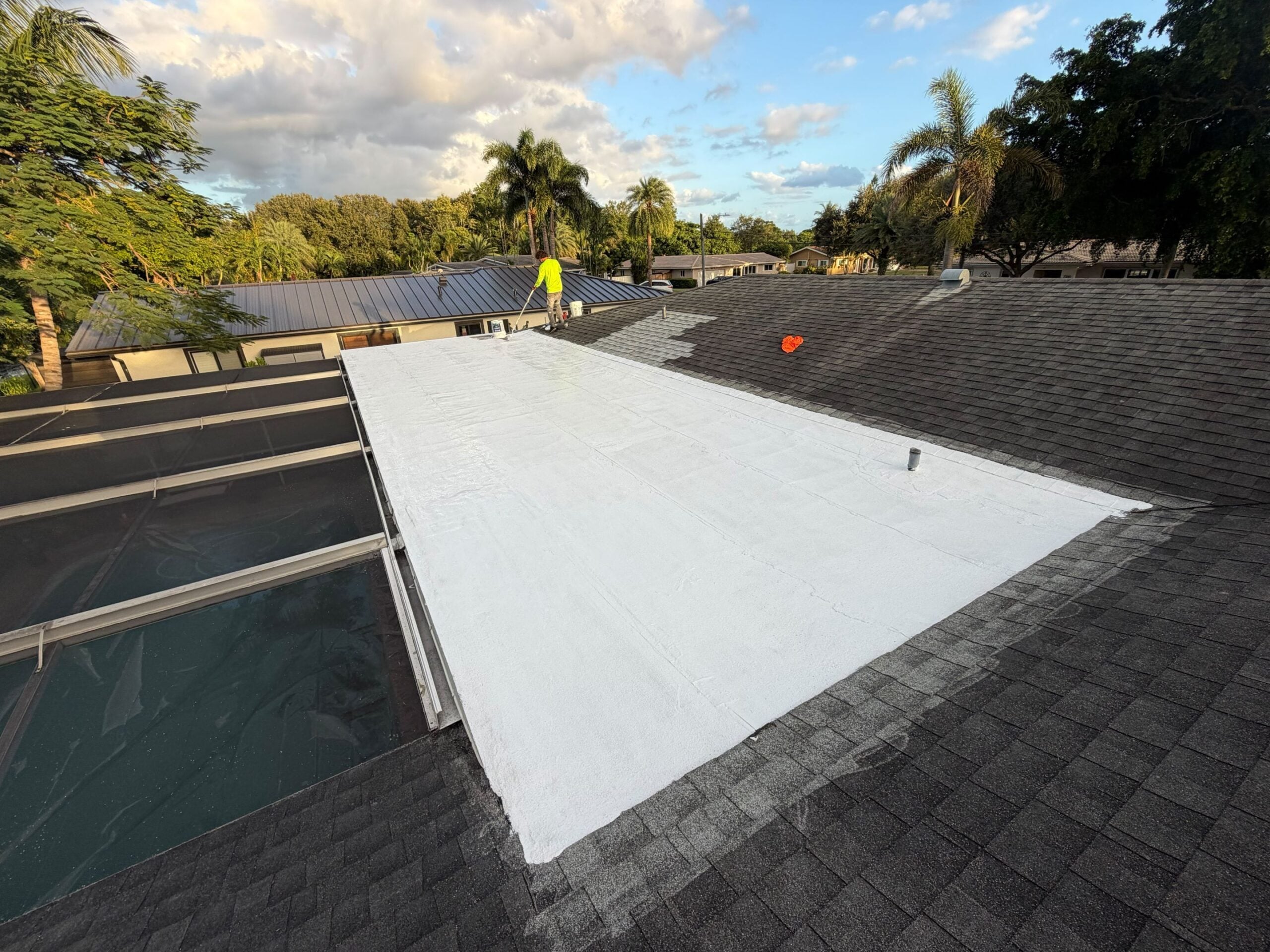
Jupiter, Florida, with its stunning coastline, vibrant communities like Abacoa, and lush natural preserves, presents a unique set of environmental challenges for homeowners. The relentless Florida sun, coupled with the corrosive effects of salt air near the Jupiter Inlet and the constant threat of hurricanes, demands roofing materials that are not only aesthetically pleasing but also exceptionally durable and protective. Choosing the best roofing materials for Jupiter homes require means balancing longevity, performance, and cost. This guide explores the top options for 2026, focusing on their ability to withstand the local climate and keep your home wind resistant and water-tight.
Quick Summary
Selecting the best roofing materials Jupiter homes need involves considering salt air, intense sun, and hurricane resistance. Top choices for 2026 include aluminum standing seam metal (excellent for coastal areas), concrete and clay tile (durable and energy-efficient), and high-performance architectural asphalt shingles. Factors like local building codes, HOA requirements, and long-term value are crucial. Partnering with a licensed local contractor ensures your choice is wind resistant and water-tight, providing optimal protection for your Jupiter home.
Table of Contents
- The Jupiter Climate and Its Impact on Roofing
- Coastal Considerations: Salt Air and Corrosion
- Energy Efficiency and Sun Protection
- Understanding Warranties and Lifespan
- FAQ: Best Roofing Materials Jupiter
- BLU Roofing: Your Expert Guide to Jupiter Roofing Materials
The Jupiter Climate and Its Impact on Roofing
Jupiter homeowners face a unique combination of environmental factors that significantly influence the performance and lifespan of roofing materials:
- Intense UV Radiation: The Florida sun is powerful, causing materials to degrade, fade, and become brittle over time.
- High Humidity and Rainfall: Frequent heavy rains and high humidity contribute to mold, mildew, and algae growth, and can exacerbate water intrusion issues if the roof is not properly sealed.
- Salt Air Exposure: Homes near the coast, particularly in areas like Jupiter Inlet Colony and Jupiter Island, are constantly exposed to salt-laden air, which can corrode certain metals and degrade other materials.
- Hurricane and Storm Activity: As part of a High Velocity Hurricane Zone (HVHZ), Jupiter roofs must withstand extreme wind uplift pressures and wind-driven rain. For more on hurricane preparedness, see our guide on Hurricane Roof Damage in Palm Beach County: The Ultimate 2026 Guide.
Top Roofing Materials for Jupiter Homes
Based on these challenges and our 2026 project data in Palm Beach County, here are the best roofing materials for Jupiter homeowners should consider:
| Material Type | Pros for Jupiter Climate | Considerations |
|---|---|---|
| Aluminum Standing Seam Metal | Superior wind resistance (150+ MPH), excellent corrosion resistance (ideal for salt air), long lifespan (30+ years), energy-efficient (cool roof options). | Higher initial cost, requires specialized installation. |
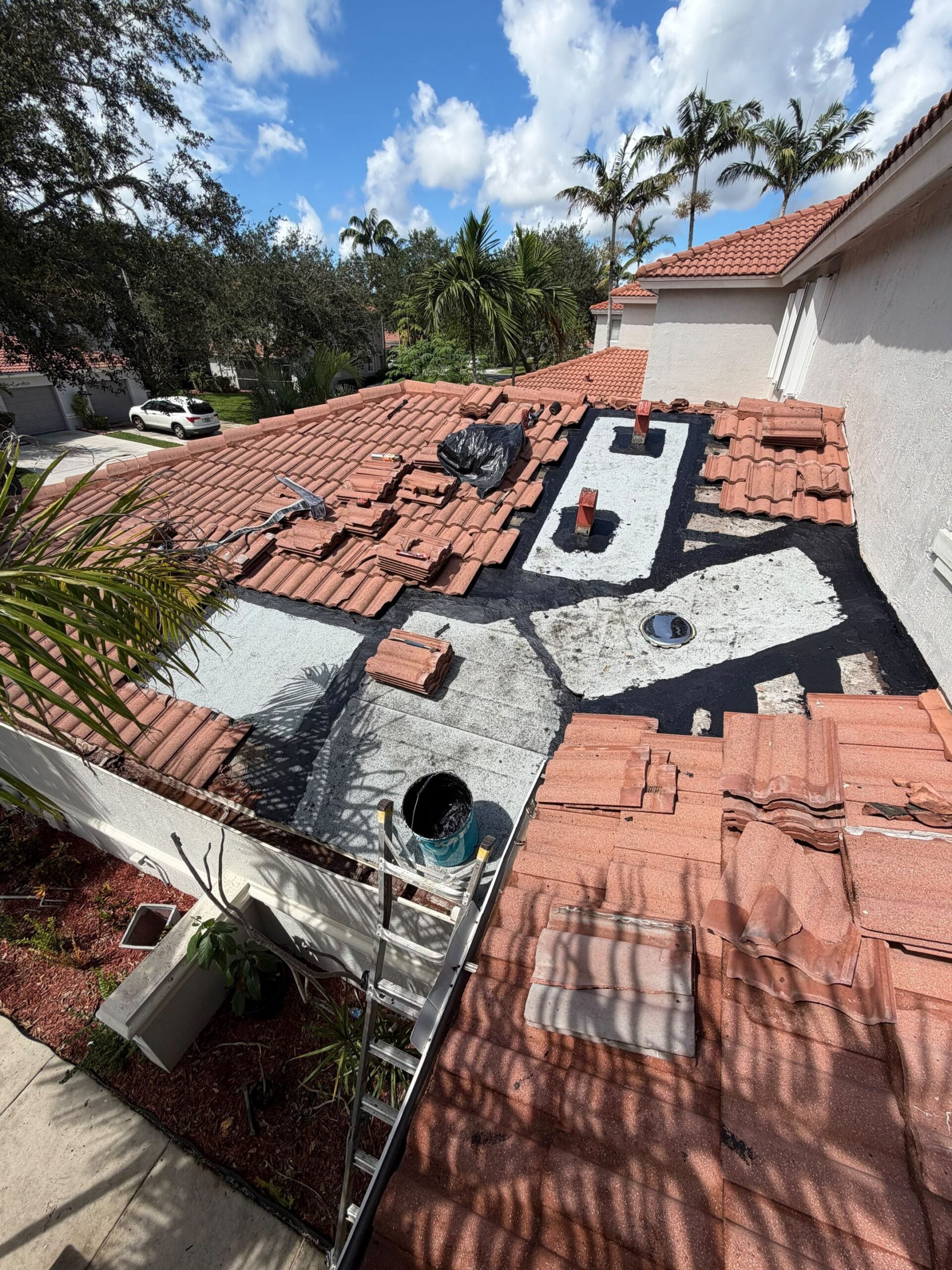
| Concrete & Clay Tile | Exceptional durability, high wind resistance (120-150+ MPH), energy-efficient, long lifespan (25+ years), classic aesthetic. | Heavy (may require structural reinforcement), higher initial cost, can be brittle if walked on improperly. |
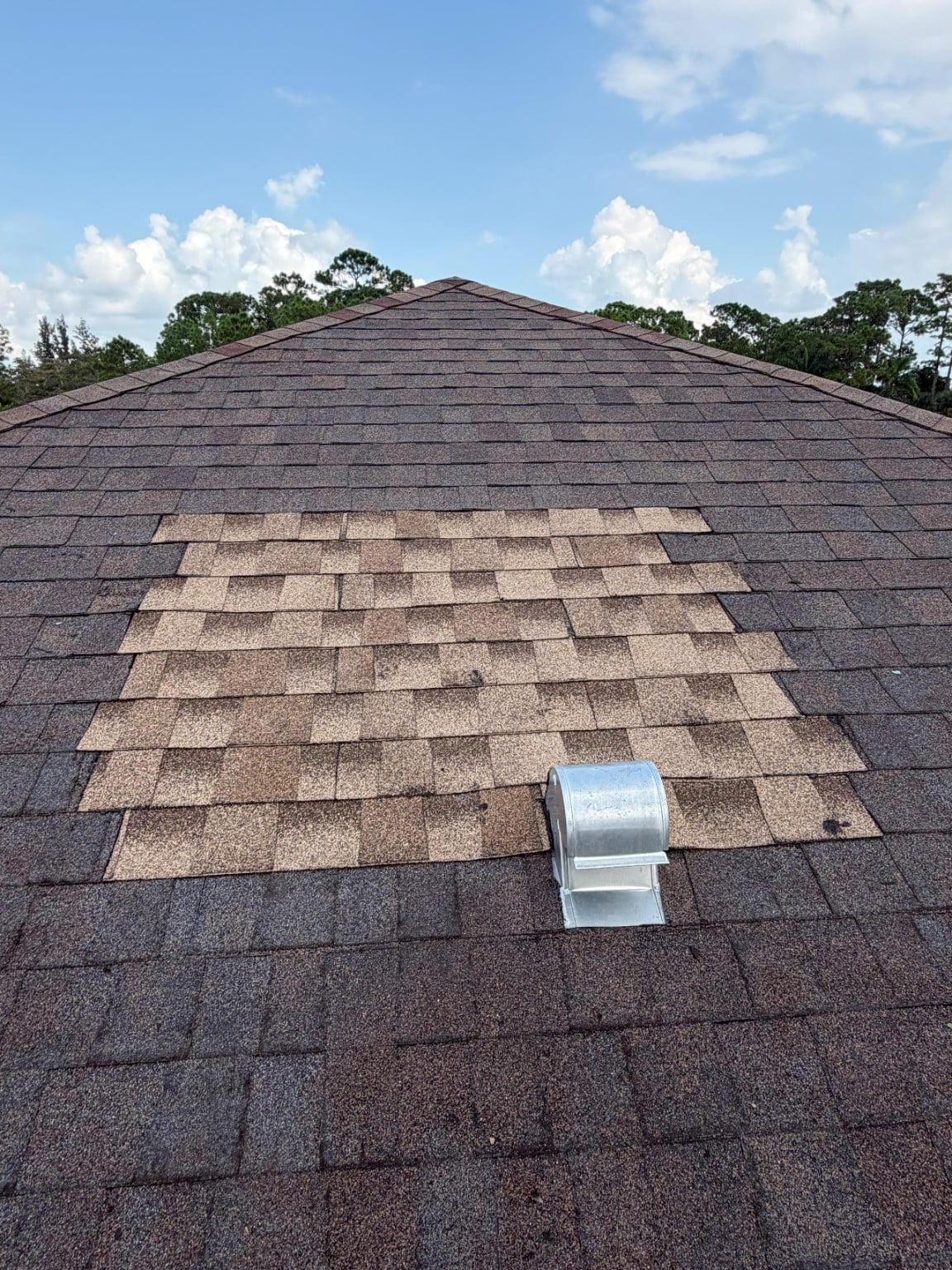
| High-Performance Architectural Asphalt Shingles | Cost-effective, good wind resistance (110-130 MPH with impact rating), wide range of styles and colors. | Shorter lifespan (15-25 years in Florida), less energy-efficient than metal or tile. |
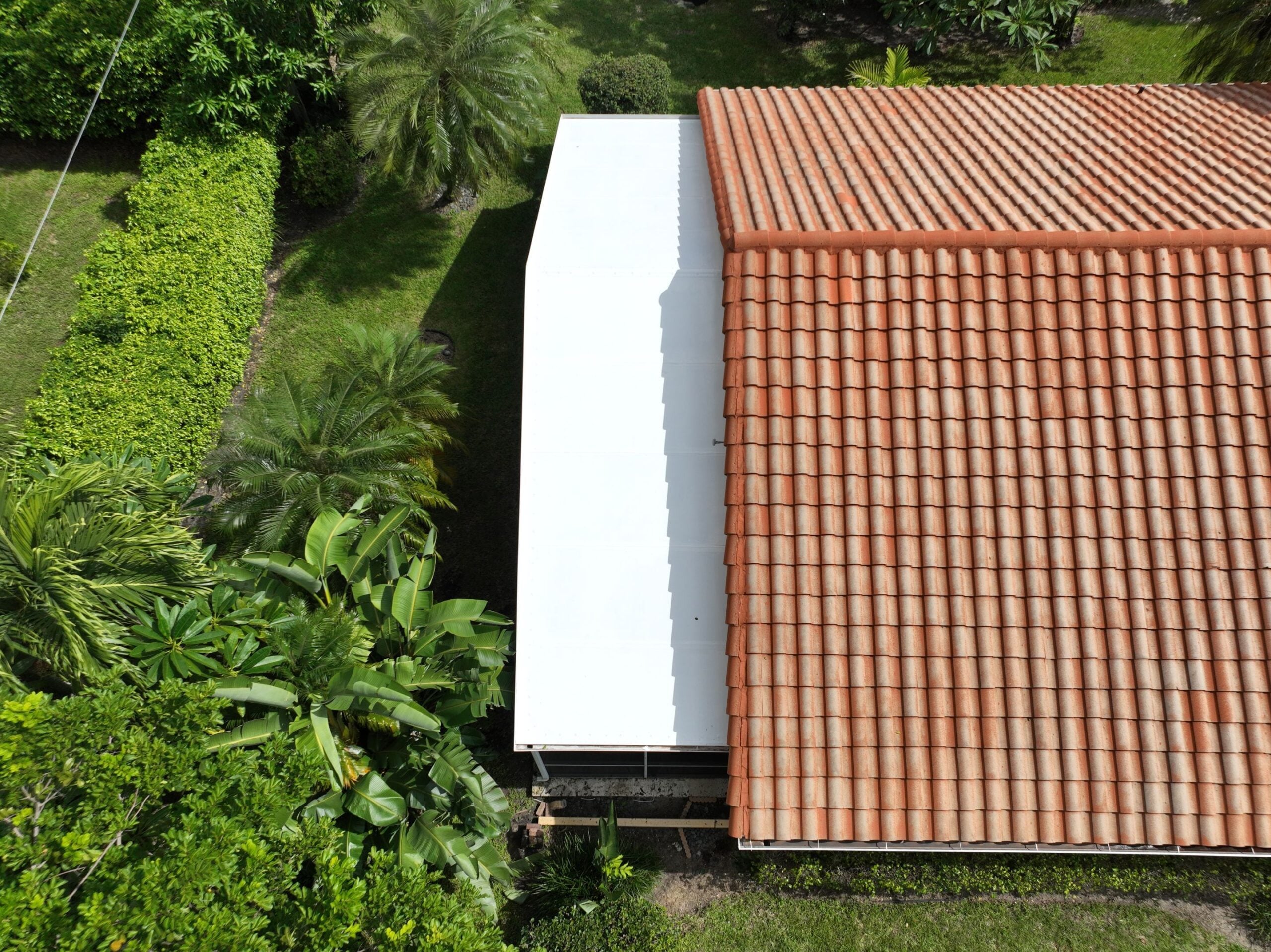
| TPO/PVC (Flat Roofs) | Excellent waterproofing, highly reflective (energy-efficient), durable seams, good wind resistance. | Primarily for low-slope or flat roof sections, aesthetic may not suit all homes. |
For a detailed breakdown of costs, refer to our guide on Roof Replacement Costs in Jupiter (2026).
Coastal Considerations: Salt Air and Corrosion
Homes located within a few miles of the Jupiter coastline, including those in Jupiter Inlet Colony and along the Intracoastal Waterway, are subject to increased salt-air exposure. This saline environment can accelerate corrosion in certain roofing materials, particularly galvanized steel or unprotected fasteners. For these properties, aluminum standing seam metal roofs are often the superior choice due to aluminum’s natural resistance to rust and corrosion. Tile roofs also perform exceptionally well in coastal environments, provided they are properly installed and maintained. For more on specific repairs related to coastal wear, see our guide on Roof Repair in Jupiter: Common Issues & 2026 Pricing.
Energy Efficiency and Sun Protection
The intense Jupiter sun not only degrades roofing materials but also contributes significantly to cooling costs. Choosing energy-efficient roofing can lead to substantial savings over time:
- Cool Roof Technology: Materials with high solar reflectance and thermal emittance (e.g., light-colored metal, white TPO/PVC, or specially coated tiles) reflect more sunlight and absorb less heat, keeping your attic and home cooler.
- Ventilation: Proper attic ventilation works in conjunction with your roofing material to dissipate heat, reducing the load on your HVAC system.
- Insulation: While not a roofing material, adequate attic insulation is crucial for maximizing the energy efficiency benefits of your chosen roof.
Understanding Warranties and Lifespan
When investing in new roofing materials, understanding the available warranties and expected lifespan is crucial. Most manufacturers offer material warranties, and reputable contractors provide workmanship warranties. In Jupiter, due to the harsh climate, it is especially important to choose materials and installers that offer robust, long-term protection. Always ensure your chosen materials and installation methods comply with Jupiter Roofing Permits & Building Codes to maintain warranty validity.
FAQ: Best Roofing Materials Jupiter
Q: Which roofing material offers the best hurricane protection in Jupiter?
A: Aluminum standing seam metal and concrete/clay tile roofs generally offer the highest level of hurricane protection due to their superior wind resistance and durability. Proper installation according to Florida Building Codes is paramount for any material.
Q: Are metal roofs noisy during rain in Jupiter?
A: Modern metal roofs, especially those with solid sheathing and proper insulation, are typically no noisier than other roofing materials during rain. The sound is often muffled by the attic space and interior ceilings.
Q: How important is color choice for energy efficiency in Jupiter?
A: Color choice can be very important. Lighter-colored roofing materials reflect more sunlight and absorb less heat, contributing to a cooler home and potentially lower energy bills, especially for materials like asphalt shingles and TPO/PVC.
Q: Do I need to consider HOA rules when choosing roofing materials in Jupiter?
A: Yes, many communities in Jupiter, such as Abacoa and Admiral’s Cove, have Homeowners Association (HOA) guidelines that dictate approved roofing materials, colors, and styles. Always check with your HOA before making a final decision.
BLU Roofing: Your Expert Guide to Jupiter Roofing Materials
Choosing the best roofing materials for Jupiter homes demand requires expert knowledge of local climate, building codes, and material performance. At BLU Roofing, we specialize in guiding homeowners through this crucial decision, offering a range of high-performance, wind resistant and water-tight options tailored to your specific needs and budget. Our team ensures every installation meets the highest standards of quality and compliance, providing lasting protection against Jupiter’s challenging environment.
Ready to explore the best roofing solution for your Jupiter home? Contact Peter Menke at 561-379-5364 for a free consultation and discover how BLU Roofing can enhance the durability, efficiency, and beauty of your property.
Written By: Peter Menke
Peter Menke is the owner of BLU Roofing and has been serving the South Florida roofing industry for over 6 years. He founded BLU Roofing to provide homeowners with transparent, accurate data grounded in the reality of Florida’s unique climate and building codes, information that is often missing from generic national roofing advice. License #CCC1337285