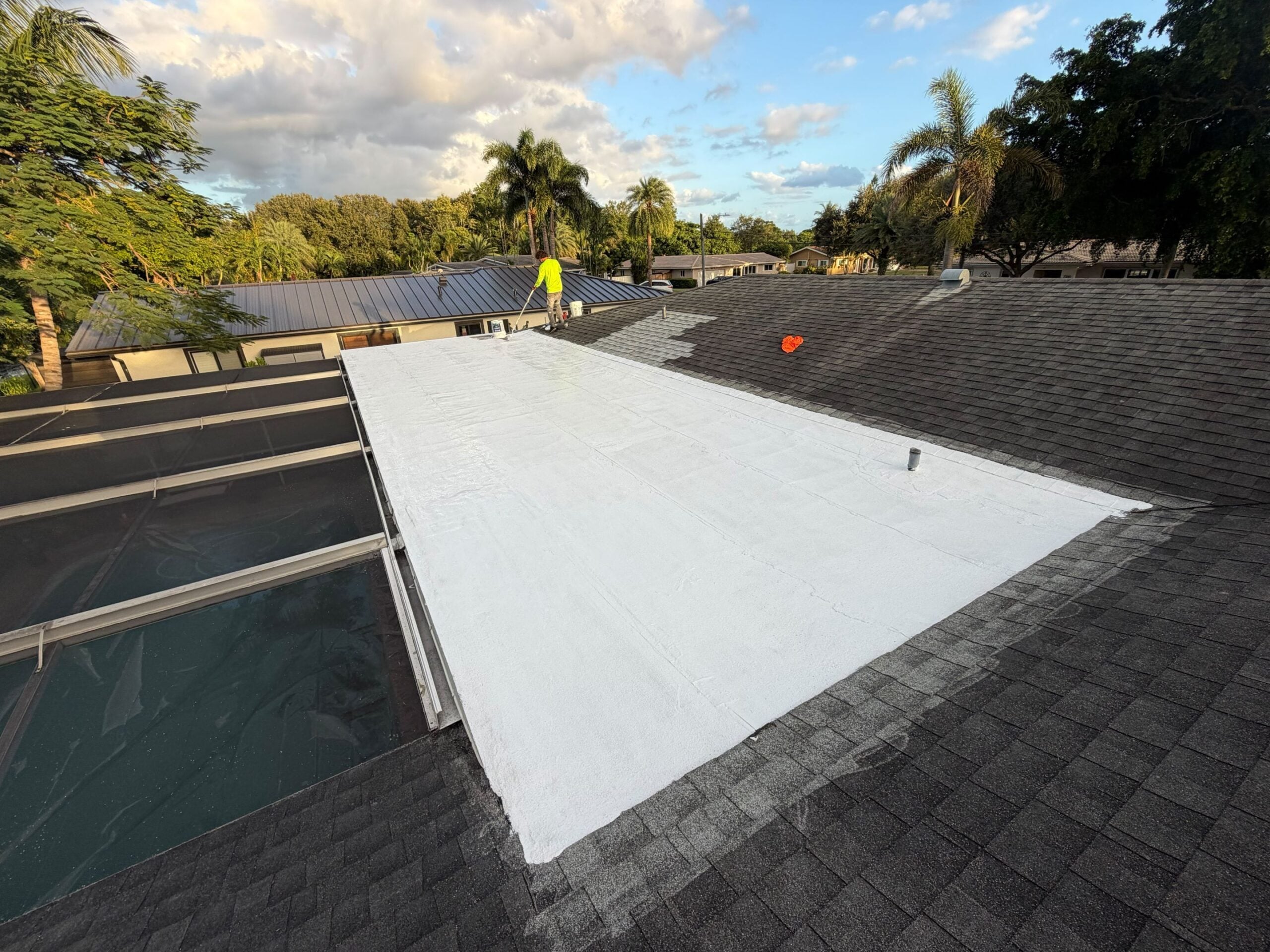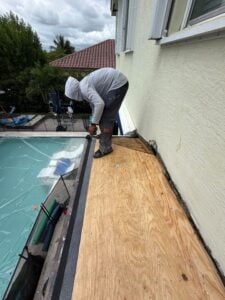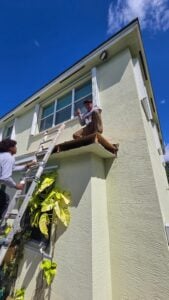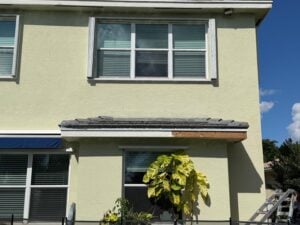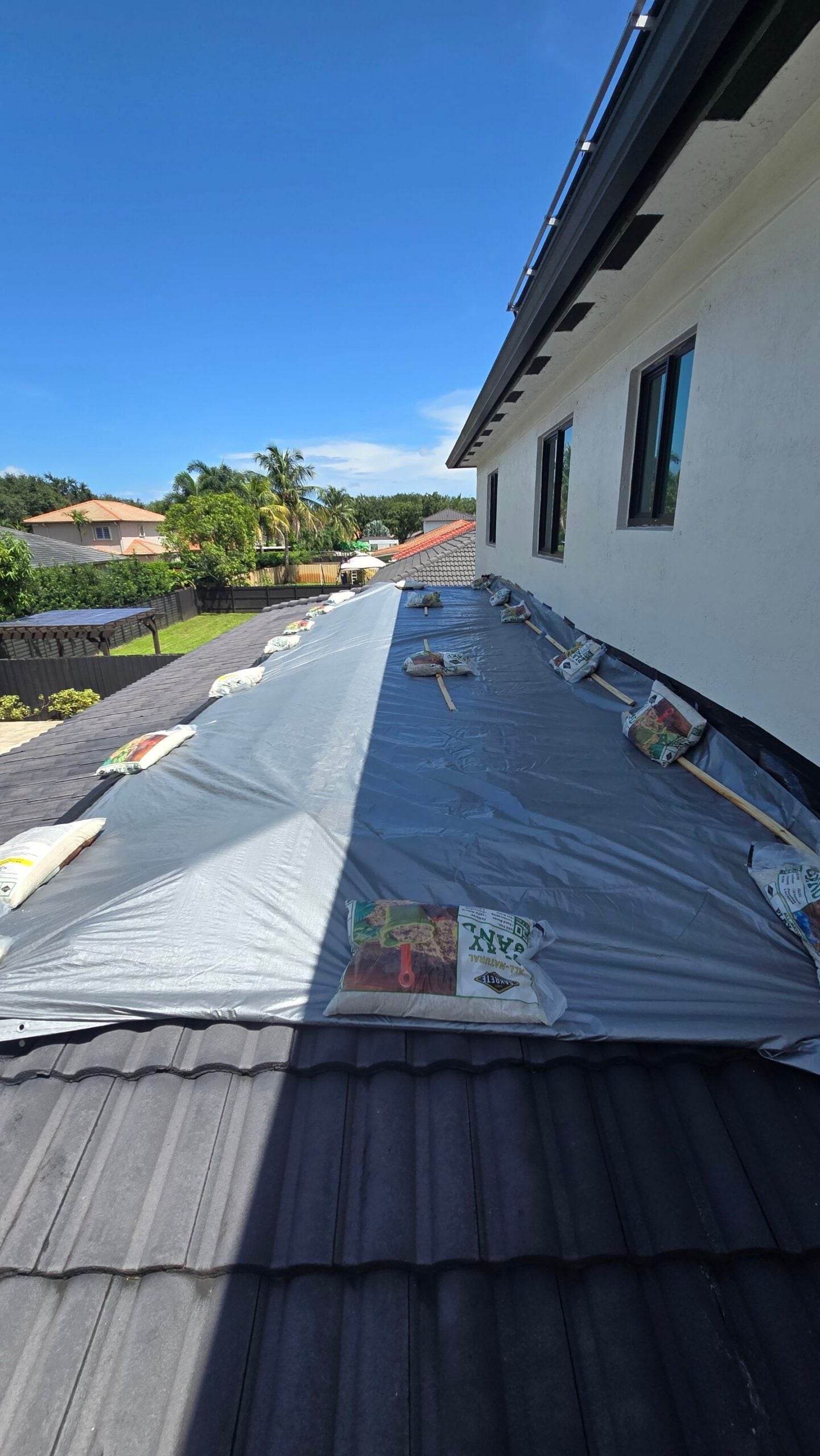
Palm Beach County, a jewel of South Florida, is no stranger to the raw power of hurricanes. Every year, homeowners brace for hurricane season, and the integrity of their roof is paramount to protecting their most valuable asset. Understanding the nuances of hurricane roof damage Palm Beach County is not just about repairs; it’s about preparedness, mitigation, and knowing how to navigate the aftermath. This comprehensive guide will equip you with the knowledge to safeguard your home, identify common damage, and understand the steps to recovery, ensuring your roof remains wind resistant and water-tight against Florida’s formidable storms.
Quick Summary
Navigating hurricane roof damage Palm Beach County requires proactive preparation, understanding common damage types, and a clear recovery plan. Key steps include pre-storm inspections, securing your property, immediate post-storm damage assessment, and working with a reputable local roofing contractor for repairs or replacement. Adhering to Florida Building Code standards and understanding insurance claims are crucial for ensuring your home remains wind resistant and water-tight.
Table of Contents
- Understanding Hurricane Threats in Palm Beach County
- Common Types of Hurricane Roof Damage
- Pre-Hurricane Season Roof Preparation
- Post-Hurricane Damage Assessment and Emergency Repairs
- Navigating Insurance Claims for Hurricane Roof Damage
- Choosing the Right Roofing Contractor for Hurricane Repairs
- Hurricane Preparedness & Recovery Checklist
- Wind Speed vs. Roof Material Performance
- FAQ: Hurricane Roof Damage Palm Beach County
- BLU Roofing: Your Partner in Hurricane Resilience
Understanding Hurricane Threats in Palm Beach County
Palm Beach County’s geographical location makes it particularly vulnerable to hurricanes and tropical storms. From the coastal communities of North Palm Beach and Singer Island to inland areas like Mangonia Park, every homeowner faces the risk of severe weather. The primary threats to roofs during a hurricane include:
- High Winds: Capable of lifting, tearing, and detaching roofing materials, leading to widespread damage.
- Heavy Rainfall: Often accompanied by wind-driven rain, which can penetrate even small openings, causing significant water damage to the interior of a home.
- Flying Debris: Trees, signs, and other unsecured objects can become projectiles, causing punctures and structural damage to roofs.
Understanding these threats is the first step in effective hurricane preparedness and mitigation for your Palm Beach County home.
Common Types of Hurricane Roof Damage
Hurricane-force winds and associated impacts can manifest in various forms of roof damage:
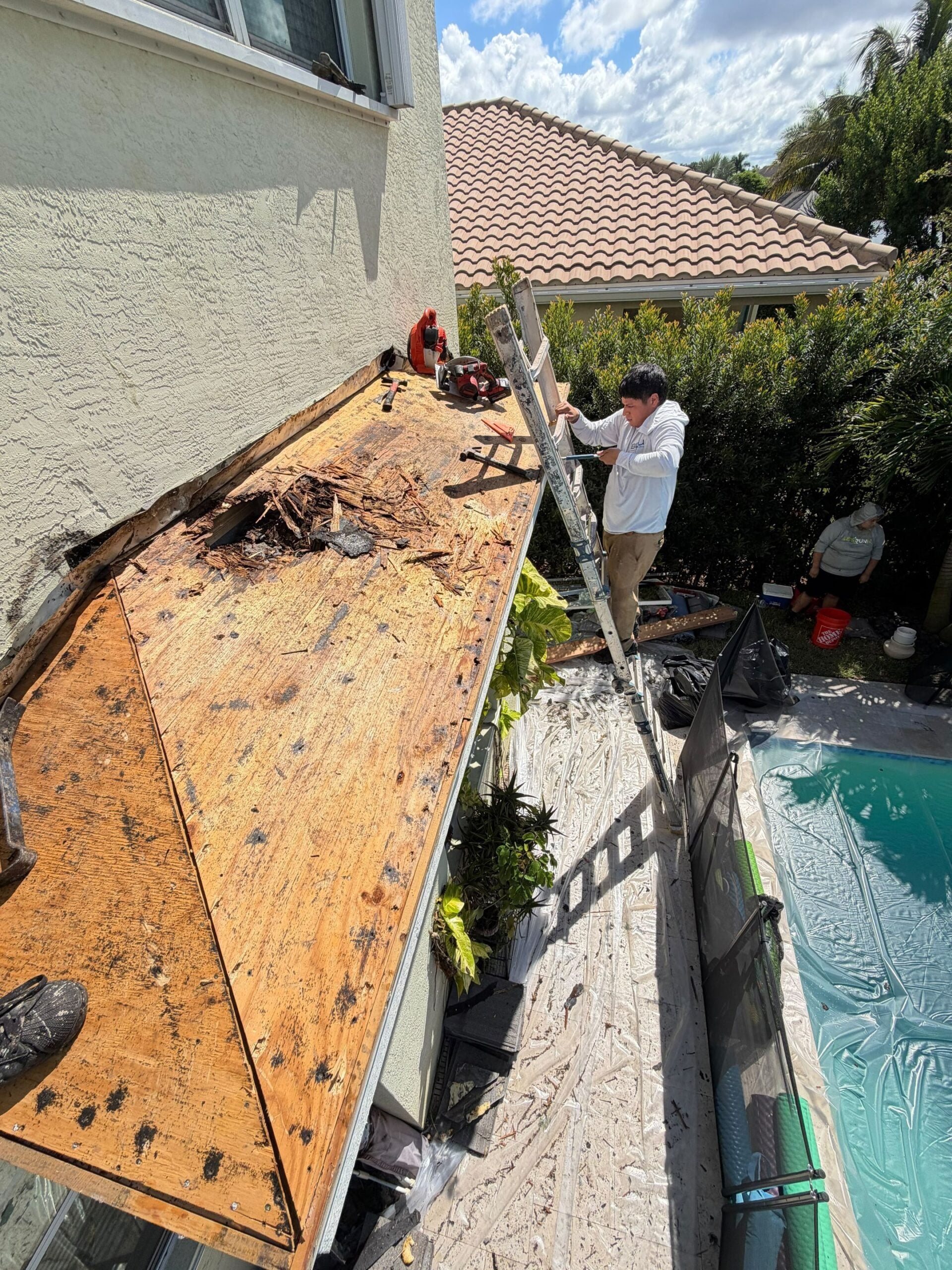
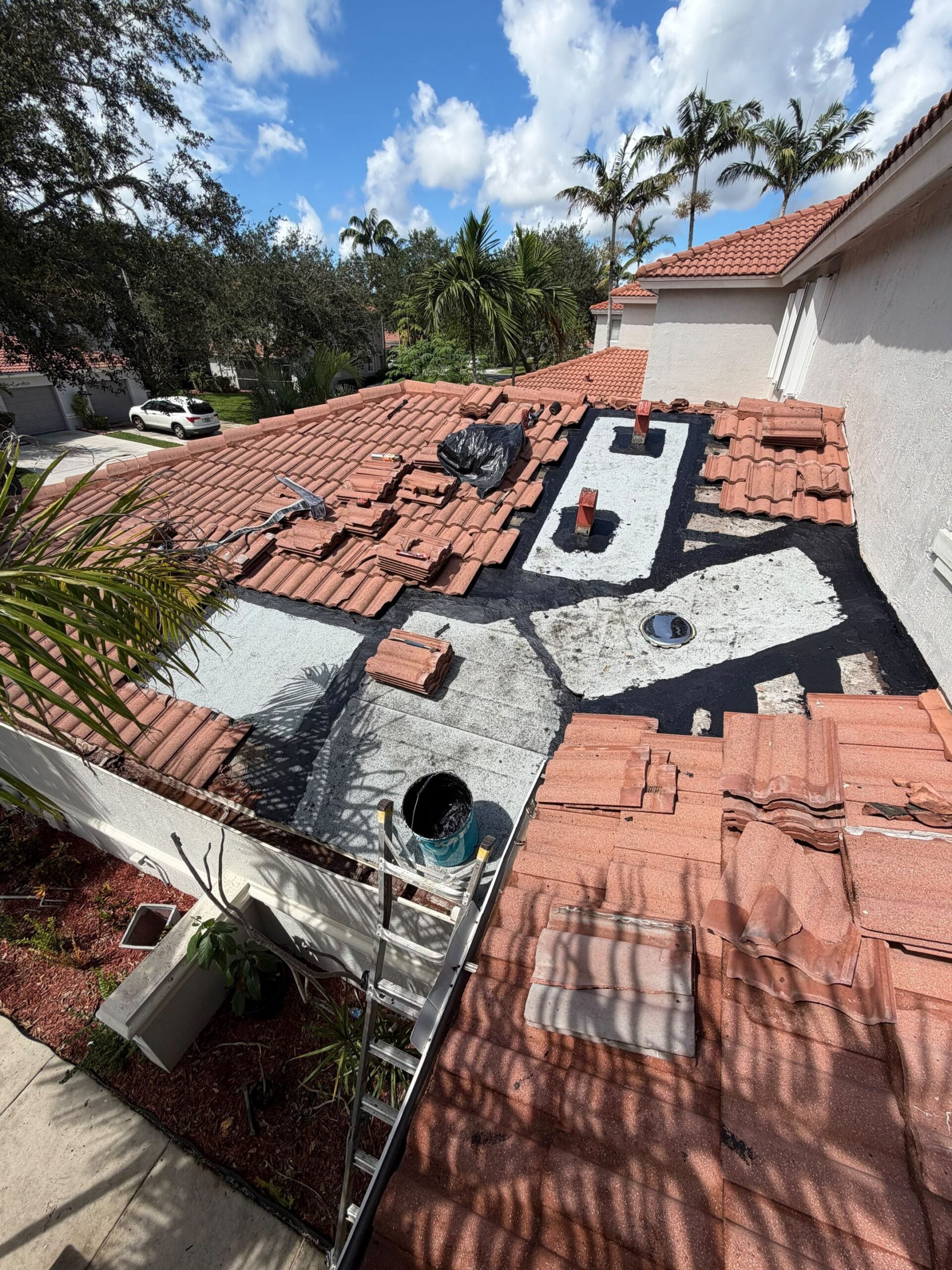
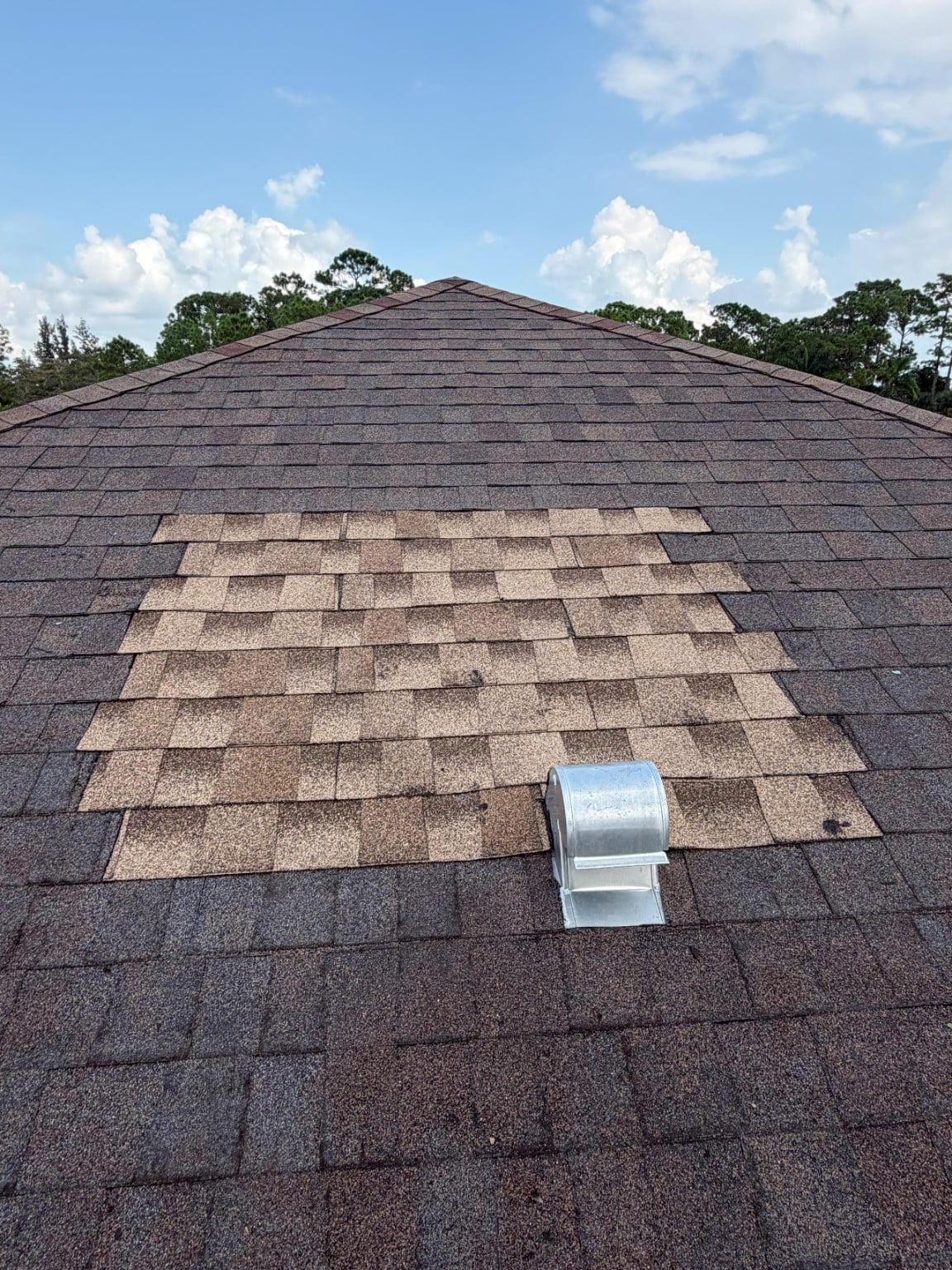
- Missing Shingles or Tiles: Often the most visible sign of wind damage, where individual shingles or tiles are lifted and blown away.
- Lifted or Curled Shingles: Even if not completely detached, strong winds can lift and curl shingles, compromising their seal and making them vulnerable to water intrusion.
- Granule Loss: For asphalt shingles, high winds can scour granules from the surface, reducing the shingle’s protective capabilities and lifespan.
- Punctures and Penetrations: Caused by flying debris, these can create direct entry points for water.
- Structural Damage: In severe cases, high winds can compromise the underlying roof deck or even the entire roof structure.
- Fascia and Soffit Damage: These components, while not part of the primary roof covering, are crucial for protecting the roof’s edge and attic space from wind and water.
Pre-Hurricane Season Roof Preparation
Proactive measures taken before hurricane season can significantly reduce the risk of severe hurricane roof damage Palm Beach County homes face:
- Professional Roof Inspection: Have a licensed roofing contractor inspect your roof to identify and address any existing vulnerabilities, such as loose shingles, cracked tiles, or compromised flashing.
- Trim Trees: Cut back any tree branches that overhang your roof or are close enough to cause damage during high winds.
- Clear Gutters and Downspouts: Ensure they are free of debris to allow for proper water drainage, preventing water from backing up and seeping under the roof.
- Secure Loose Items: Store or secure all outdoor furniture, grills, and other items that could become projectiles in high winds.
- Review Insurance Policy: Understand your coverage for hurricane damage, including deductibles and specific requirements for filing claims.
Post-Hurricane Damage Assessment and Emergency Repairs
After a hurricane has passed, a careful and safe assessment of your roof is critical:
- Safety First: Never climb onto a damaged roof yourself. Inspect from the ground with binoculars or hire a professional.
- Document Damage: Take clear photos and videos of all visible damage from multiple angles. This documentation is vital for insurance claims.
- Temporary Repairs: For active leaks, temporary measures like tarps can prevent further interior damage. Always prioritize safety and consult with a professional for proper installation.
- Contact a Professional: Engage a licensed and insured roofing contractor immediately for a thorough inspection and to plan necessary repairs.
Navigating Insurance Claims for Hurricane Roof Damage
Filing an insurance claim can be a complex process. Here are key steps for Palm Beach County homeowners:
- Notify Your Insurer: Report the damage as soon as safely possible.
- Provide Documentation: Submit all photos, videos, and any other evidence of damage.
- Get Professional Estimates: Obtain detailed repair estimates from reputable roofing contractors.
- Understand Your Policy: Be aware of your deductible, coverage limits, and any specific hurricane clauses.
- Be Patient: Insurance claims can take time, especially after widespread storm events.
Choosing the Right Roofing Contractor for Hurricane Repairs
Selecting a qualified contractor is paramount for effective and lasting repairs. Look for:
- Local Experience: A contractor familiar with Palm Beach County building codes and hurricane-specific requirements.
- Licensing and Insurance: Verify their Florida contractor’s license (CCC) and ensure they carry adequate liability and workers’ compensation insurance.
- Reputation: Check reviews, ask for references, and look for a track record of quality work.
- Transparency: A reputable contractor will provide clear, detailed estimates and explain the repair process thoroughly.
Hurricane Preparedness & Recovery Checklist
Use this checklist to ensure your Palm Beach County home is ready for hurricane season and to guide your actions post-storm:
- Before the Storm:
- Schedule a professional roof inspection.
- Trim overhanging tree branches.
- Clean gutters and downspouts.
- Secure or store outdoor items.
- Review your homeowner’s insurance policy.
- Create a disaster supply kit.
- After the Storm:
- Prioritize safety; avoid damaged areas.
- Document all roof damage with photos/videos.
- Make temporary repairs if safe to prevent further damage.
- Contact your insurance company.
- Engage a licensed local roofing contractor for a detailed assessment and repairs.
Wind Speed vs. Roof Material Performance
Different roofing materials offer varying levels of resistance to hurricane-force winds. Here’s a general overview of how common materials perform:
| Roof Material | Typical Wind Resistance (MPH) | Notes for Palm Beach County |
|---|---|---|
| Asphalt Shingles (Architectural) | 110-160 MPH | Good for many inland areas; impact-rated shingles offer enhanced protection. |
| Metal Roofing (Standing Seam) | 140-200+ MPH | Excellent for all areas, especially coastal; superior wind uplift resistance. |
| Concrete & Clay Tile | 130-150+ MPH | Very durable; proper fastening is critical for wind resistance in HVHZ zones. |
| Flat Roofing (TPO/PVC) | 120-150+ MPH | Ideal for low-slope roofs; robust seams and proper adhesion are key. |
FAQ: Hurricane Roof Damage Palm Beach County
Q: What is the most common type of hurricane roof damage in Palm Beach County?
A: The most common damage is typically related to wind, including missing or lifted shingles/tiles, and damage to fascia and soffits. Water intrusion from wind-driven rain is also a significant concern.
Q: Does my homeowner’s insurance cover hurricane roof damage?
A: Most homeowner’s insurance policies in Florida include coverage for hurricane damage, but they often have a separate hurricane deductible (typically 2% or 5% of your dwelling coverage). It’s crucial to review your specific policy details.
Q: How can I tell if my roof has hidden hurricane damage?
A: Some damage, like compromised underlayment or minor structural issues, may not be visible from the ground. A professional roof inspection by a licensed contractor is the best way to identify hidden damage.
Q: What should I do immediately after a hurricane if I suspect roof damage?
A: Prioritize safety, document all visible damage with photos, and make temporary repairs (like tarping) if it’s safe to do so to prevent further water intrusion. Then, contact your insurance company and a reputable local roofing contractor.
BLU Roofing: Your Partner in Hurricane Resilience
When it comes to protecting your home from hurricane roof damage Palm Beach County, BLU Roofing is your trusted partner. We specialize in comprehensive roof inspections, hurricane-resistant repairs, and full roof replacements designed to meet and exceed Florida’s stringent building codes. Our team understands the unique challenges faced by homeowners in areas from Jupiter to Boca Raton, and we are committed to delivering roofing solutions that provide lasting peace of mind.
Don’t wait for the next storm. Contact Peter Menke at 561-379-5364 for a free, no-obligation consultation on hurricane preparedness and roof resilience. Let us help ensure your home is truly wind resistant and water-tight, ready to face whatever nature brings.
Written By: Peter Menke
Peter Menke is the owner of BLU Roofing and has been serving the South Florida roofing industry for over 6 years. He founded BLU Roofing to provide homeowners with transparent, accurate data grounded in the reality of Florida’s unique climate and building codes, information that is often missing from generic national roofing advice. License #CCC1337285