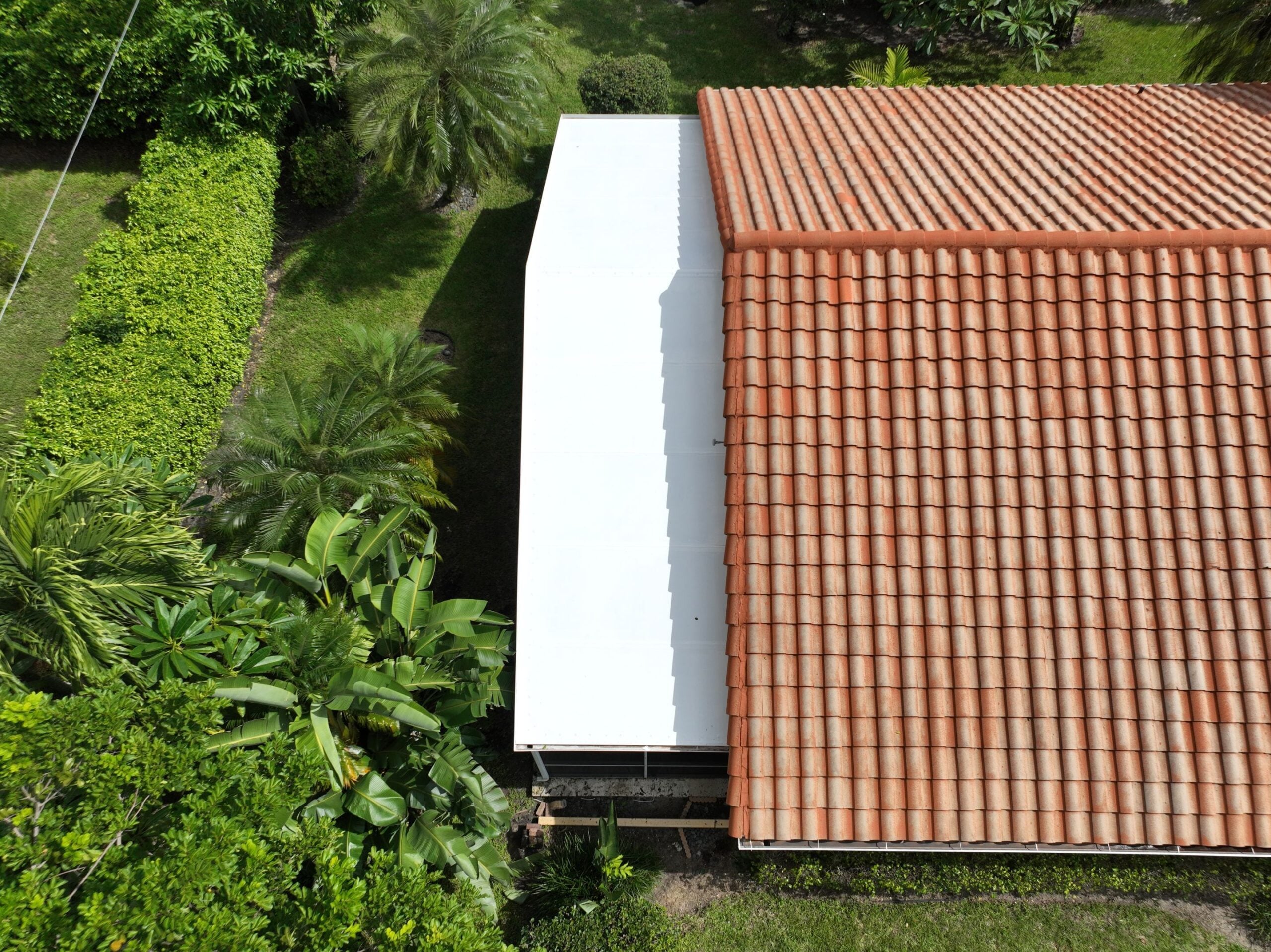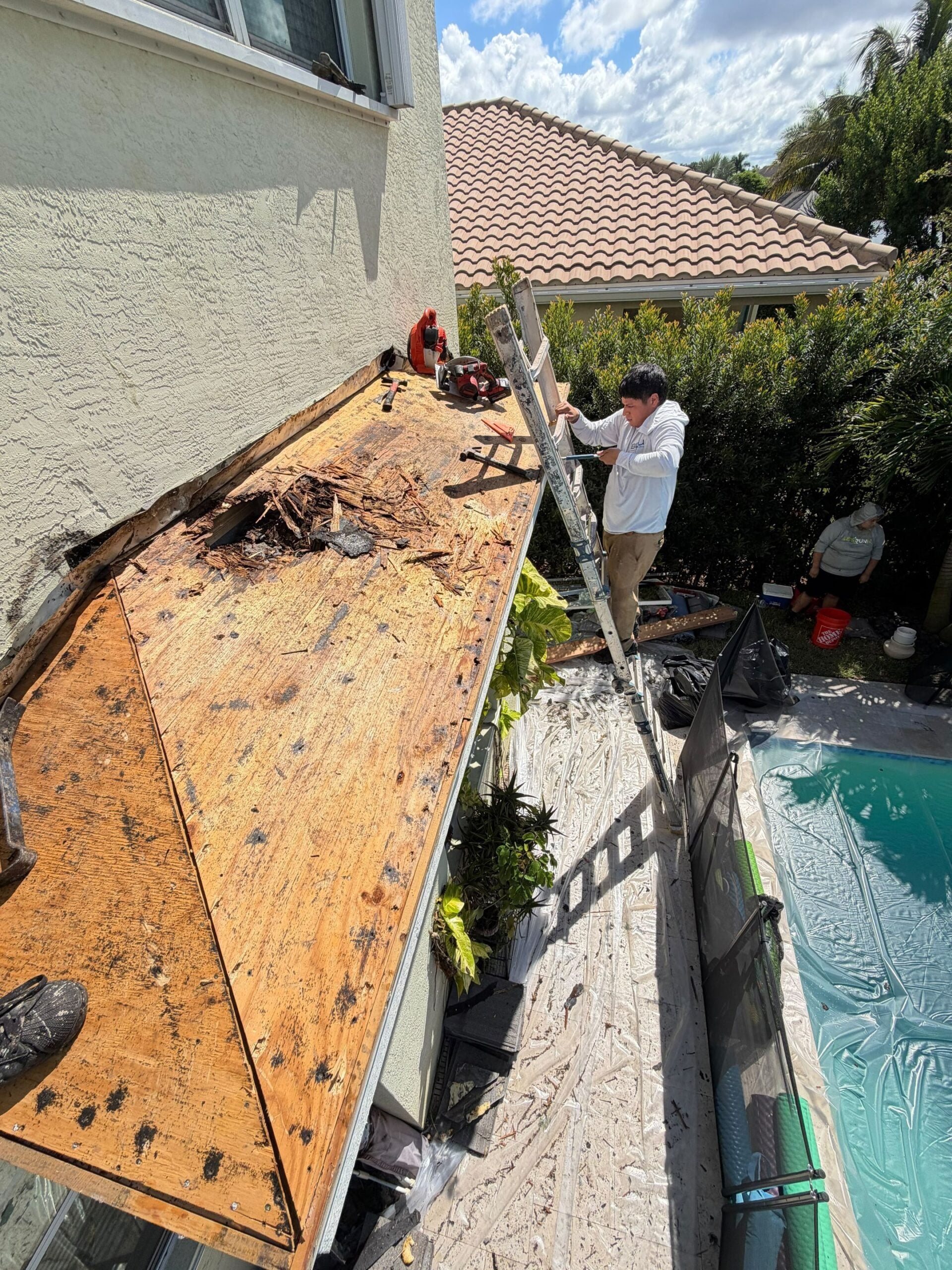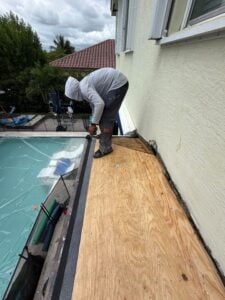
As a homeowner in Boca Raton, protecting your investment from the unique challenges of South Florida weather is paramount. Your roof is your home’s first line of defense against intense sun, heavy rains, and hurricane-force winds. Knowing the early warning signs that your roof might be failing can save you significant money and stress in the long run. Ignoring these indicators can lead to costly interior damage, mold growth, and even structural issues.
Quick Summary
Boca Raton roofs face extreme weather, making early detection of damage crucial. Look for missing or cracked shingles, granular loss, water stains, sagging, and rising energy bills. Addressing these signs promptly can prevent extensive damage and costly repairs, ensuring your home remains protected.
Visible Damage to Shingles or Tiles
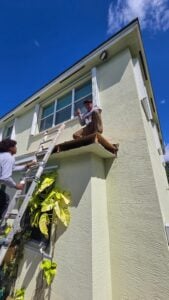
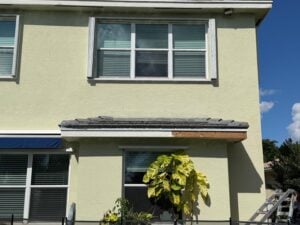
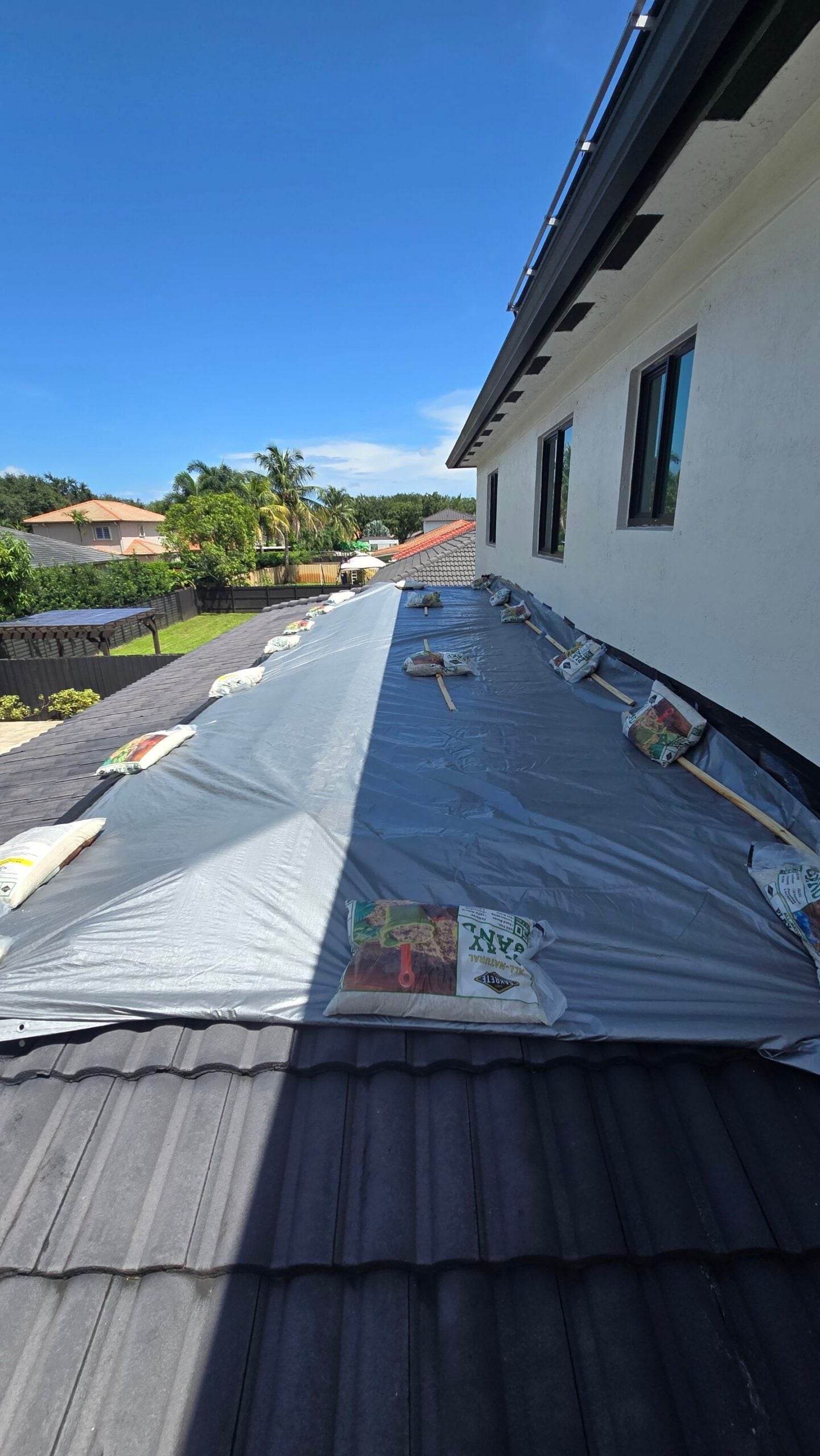
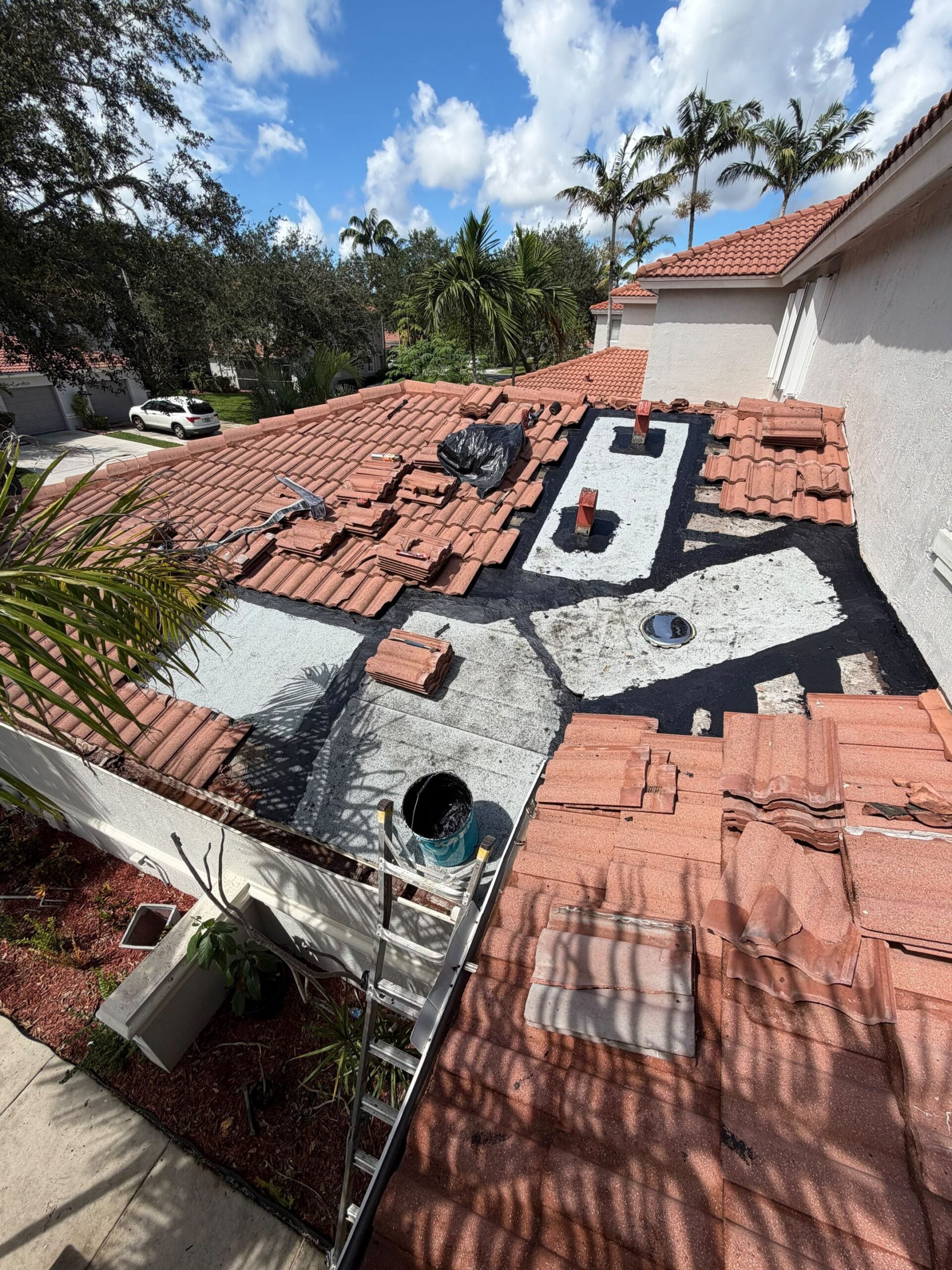
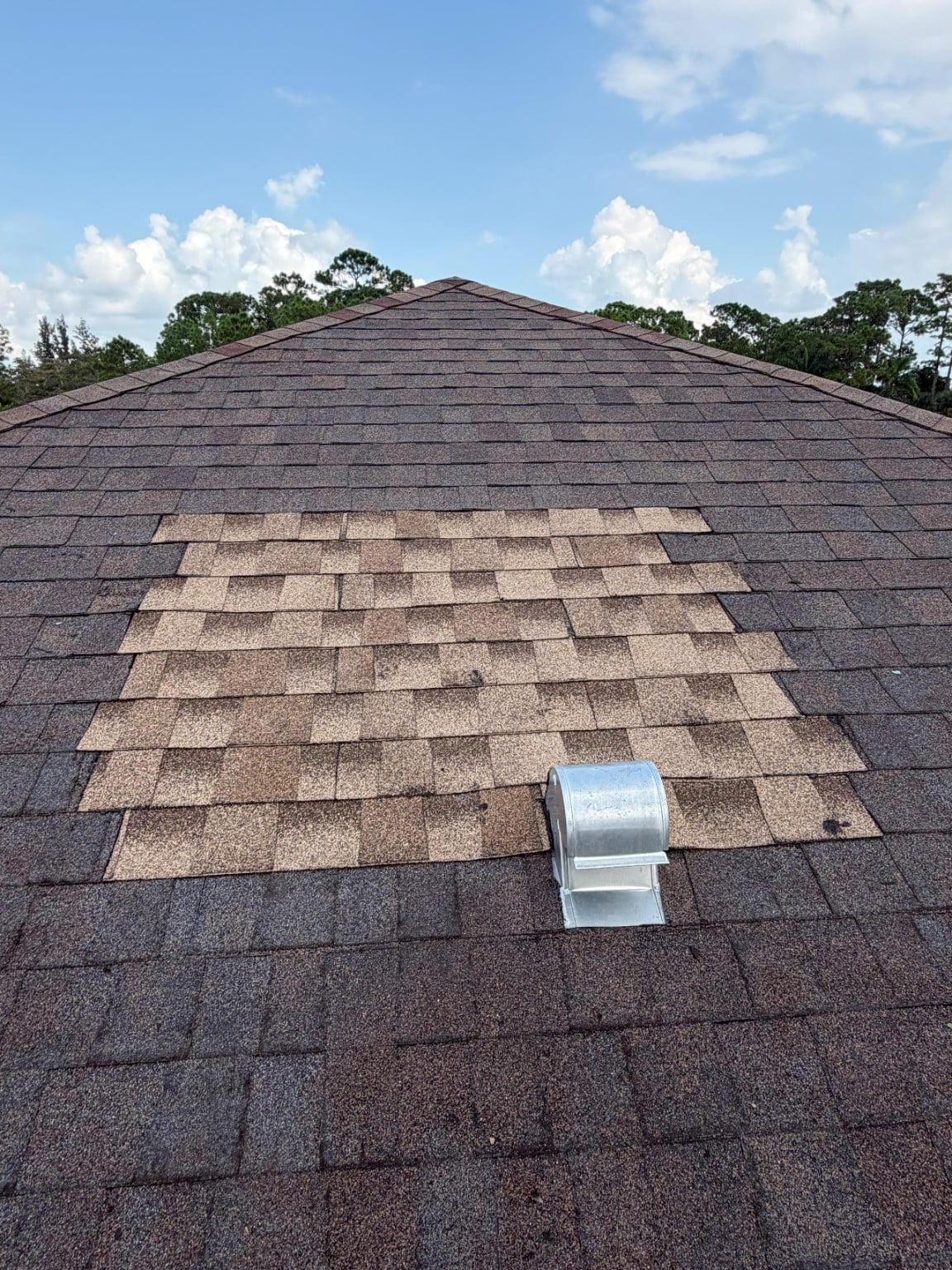
One of the most obvious signs of roof deterioration is visible damage to your shingles or tiles. In Boca Raton’s climate, asphalt shingles can crack, curl, or blister due to prolonged sun exposure and heat. Tile roofs, while durable, can also suffer from cracks or become dislodged during strong winds. Missing shingles or tiles leave your underlayment exposed to the elements, making your home vulnerable to leaks. Regularly inspect your roof from the ground with binoculars, or consider a professional inspection after any significant weather event. If you notice damage, it’s important to understand how much roof repair costs in Boca Raton before the problem escalates.
Granules in Gutters or Downspouts
If you have an asphalt shingle roof, the granules on the surface protect the asphalt from UV rays. As shingles age, these granules can start to shed. You might notice an accumulation of sand-like particles in your gutters or at the bottom of your downspouts. While some granular loss is normal, a significant amount indicates that your shingles are nearing the end of their lifespan and losing their protective qualities. This is a clear signal that a roof replacement might be necessary soon, and you should begin researching roof replacement costs in Boca Raton to plan your budget.
Water Stains on Ceilings or Walls
Water stains are a definitive sign of a roof leak, and they often appear on your interior ceilings or walls. These stains can be yellow, brown, or even dark, indicating water penetration. Don’t ignore small stains, as they can quickly grow and lead to more severe problems like mold, mildew, and compromised structural integrity. Pinpointing the exact source of a leak can be challenging, as water can travel along rafters and trusses before dripping down. If you notice any water stains, it’s crucial to choose a qualified roofing contractor in Boca Raton to inspect your roof immediately.
Sagging Roof Deck or Rafters
A sagging roof is a serious structural issue that demands immediate attention. This can be caused by prolonged water damage, which weakens the roof decking or rafters, or by improper installation. A sagging roof can be visible from the exterior, appearing as a dip or curve in the roofline, or from the attic, where you might see drooping rafters. This condition compromises the entire structural integrity of your roof and can be extremely dangerous. A professional assessment is essential to determine the extent of the damage and the necessary repairs or replacement.
Increased Energy Bills
An often overlooked sign of a failing roof is a sudden and unexplained increase in your energy bills. A compromised roof can lead to poor insulation and ventilation, allowing conditioned air to escape and outside heat to penetrate your home. This forces your HVAC system to work harder, especially during Boca Raton’s hot summers, resulting in higher utility costs. While many factors can influence energy consumption, if you’ve ruled out other causes, your roof’s condition could be a significant contributor to your rising bills.
Age of Your Roof
Even without visible signs of damage, the age of your roof is a critical factor. Most asphalt shingle roofs in South Florida have a lifespan of 15-20 years, while tile roofs can last 25-50 years or more with proper maintenance. If your roof is approaching or has exceeded its expected lifespan, it’s wise to start planning for a replacement. Proactive replacement can prevent emergency situations and allow you to choose materials and styles that best suit your home and budget. BLU Roofing’s 2026 project data in Palm Beach County shows that roofs over 18 years old are significantly more prone to leaks and storm damage. Before hiring anyone, always verify their credentials through the Florida DBPR license search to ensure they are fully licensed and insured.
FAQ: Signs You Need a New Roof
Q: How often should I inspect my roof in Boca Raton?
A: It’s recommended to visually inspect your roof at least twice a year, ideally in the spring and fall, and always after any major storm event. A professional inspection every 3-5 years is also advisable.
Q: Can I just repair a leaking roof instead of replacing it?
A: Minor leaks can often be repaired. However, if the leaks are widespread, recurrent, or indicative of extensive underlying damage, a full replacement is usually the more cost-effective and long-term solution.
Q: What are the common causes of roof damage in Boca Raton?
A: The primary causes include intense UV radiation, heavy rainfall, strong winds (especially during hurricane season ), and hail. These elements accelerate the aging process and can cause significant wear and tear.
Q: How long does a roof replacement typically take in Boca Raton?
A: The duration of a roof replacement depends on the size and complexity of your roof, the materials chosen, and weather conditions. Generally, it can take anywhere from a few days to a couple of weeks.
Written By: Peter Menke
Peter Menke is the owner of BLU Roofing and has been serving the South Florida roofing industry for over 6 years. He founded BLU Roofing to provide homeowners with transparent, accurate data grounded in the reality of Florida’s unique climate and building codes, information that is often missing from generic national roofing advice. License #CCC1337285