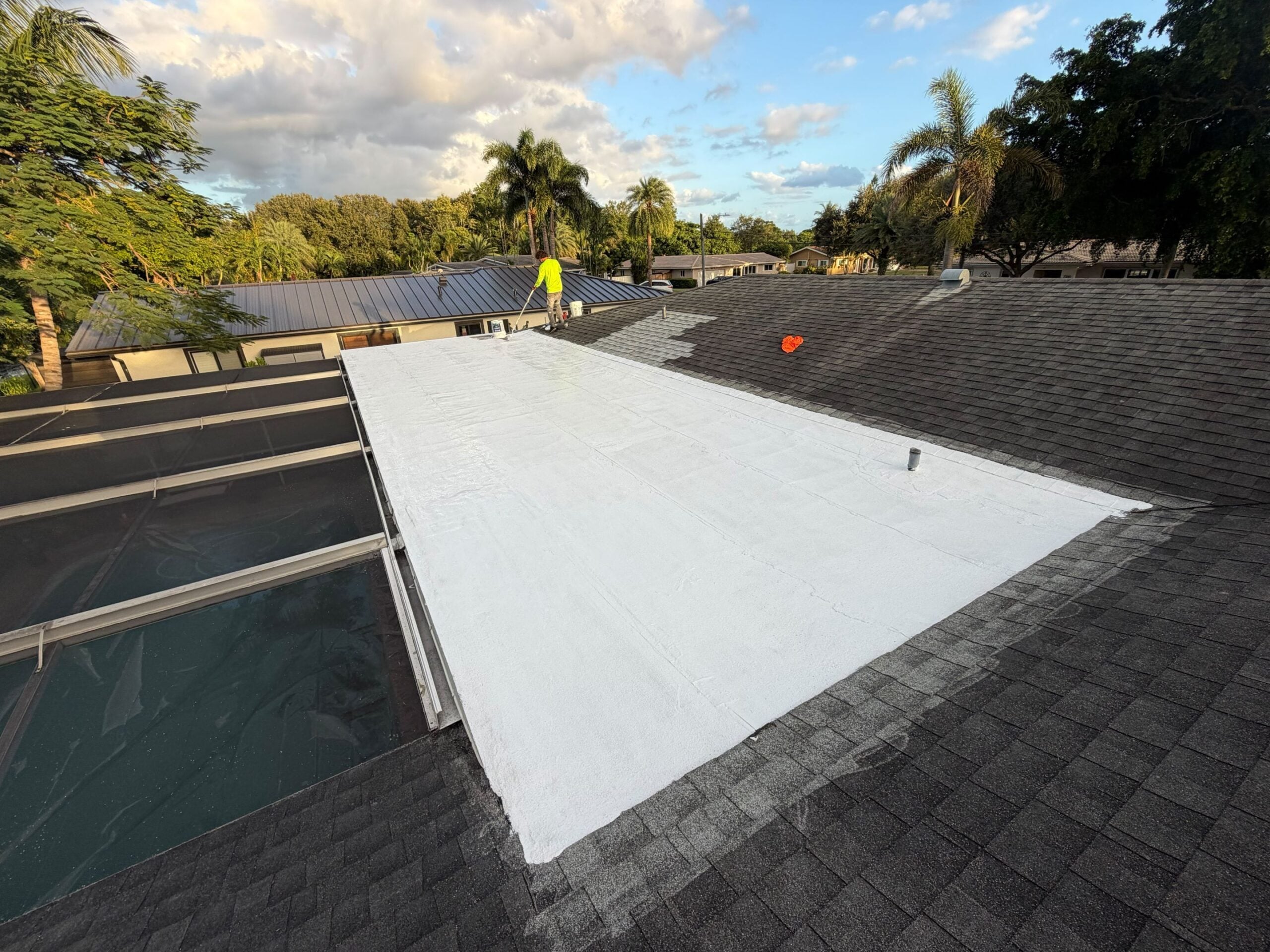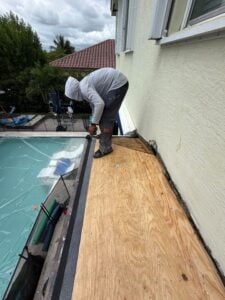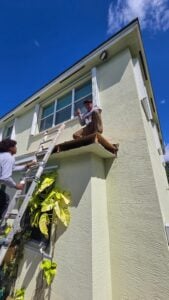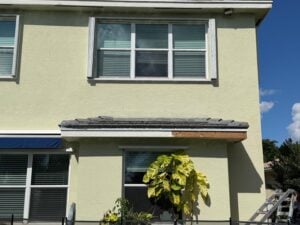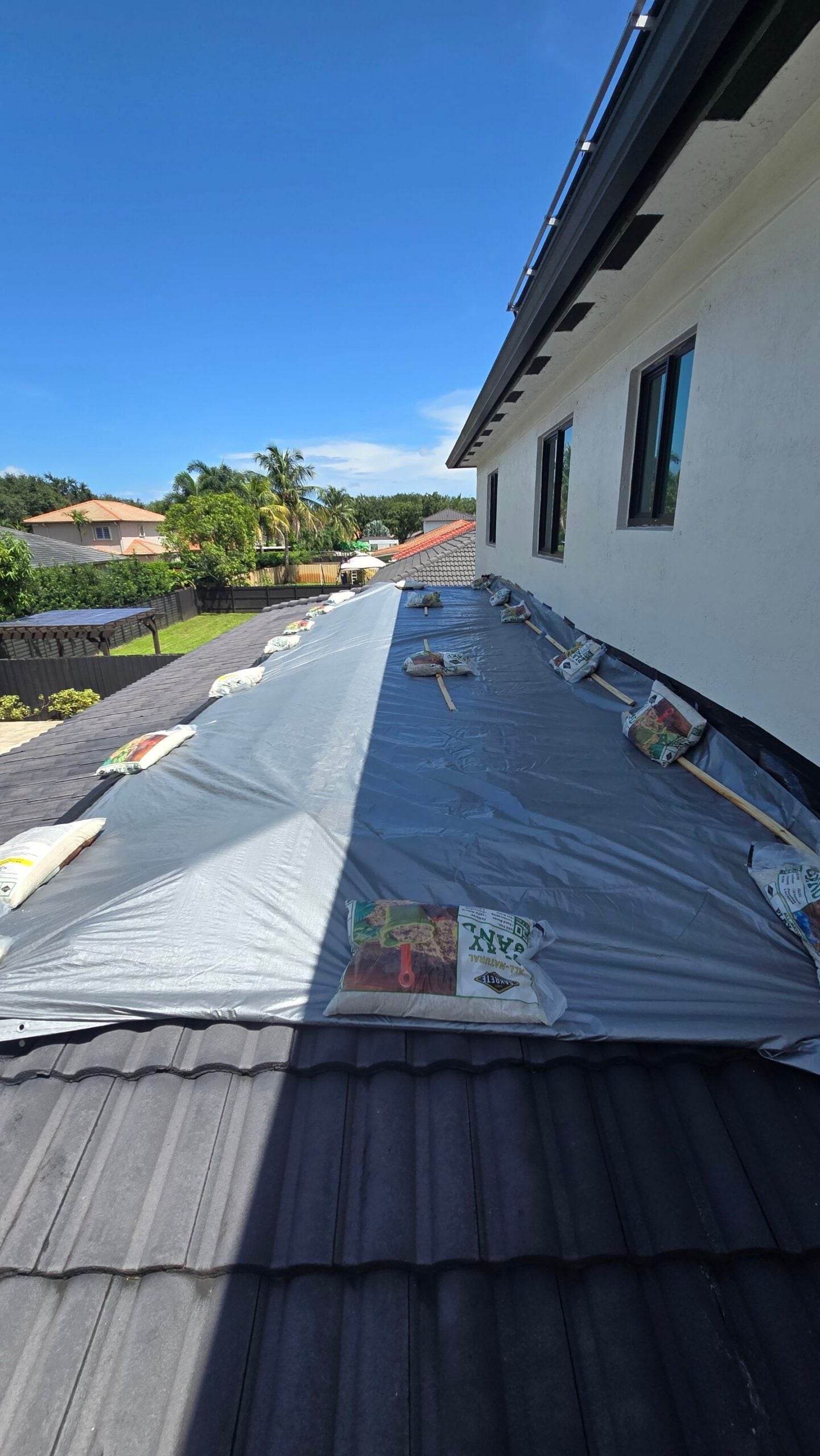
Choosing the right roofing material in Jupiter is about more than just curb appeal. In a coastal city where your home must withstand intense UV radiation, relentless salt air corrosion from the Atlantic, and the potential for 150-mph hurricane winds, your choice of material is a critical financial and safety decision. Whether you are living in a historic home near the Jupiter Inlet Lighthouse or a modern estate in Abacoa, the “best” material depends on your budget, your home’s architecture, and how long you plan to stay in the property.
In 2026, the South Florida roofing market has evolved with new technologies in underlayment and high-impact materials that offer better protection than ever before.
Quick Summary
For Jupiter homeowners in 2026, concrete tile remains the gold standard for durability and aesthetic value, while standing seam metal is the top choice for hurricane resistance and energy efficiency. Architectural shingles offer the most budget-friendly entry point, provided they are installed with high-quality synthetic underlayment to combat South Florida’s humidity and heat.
Table of Contents
- Top 3 Roofing Materials for Jupiter
- Concrete and Clay Tile: The South Florida Classic
- Metal Roofing: The Hurricane Champion
- Architectural Shingles: Budget-Friendly Protection
- Material Comparison: Cost vs. Lifespan
- Factors to Consider for Jupiter Homes
- Frequently Asked Questions
Top 3 Roofing Materials for Jupiter
Based on our 2026 project data in Palm Beach County, three materials dominate the Jupiter landscape. Each serves a different segment of the market, from the modern developments in Abacoa to the coastal estates near the Loxahatchee River.
- Concrete Tile: Favored for its traditional look and 30+ year lifespan.
- Standing Seam Metal: The fastest-growing segment due to its superior wind uplift ratings.
- Architectural Shingles: The most common choice for suburban developments and rental properties.
Concrete and Clay Tile: The South Florida Classic
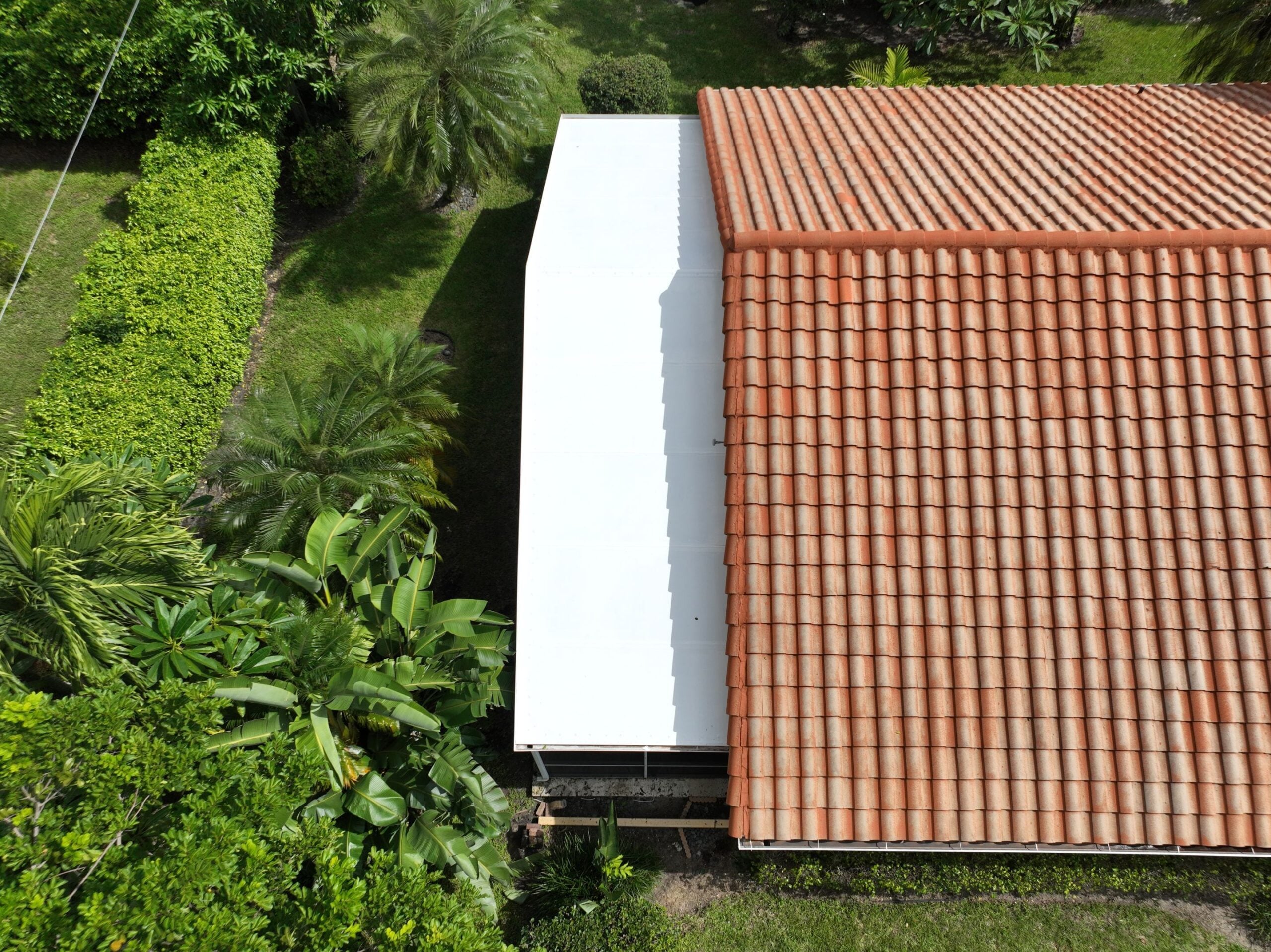
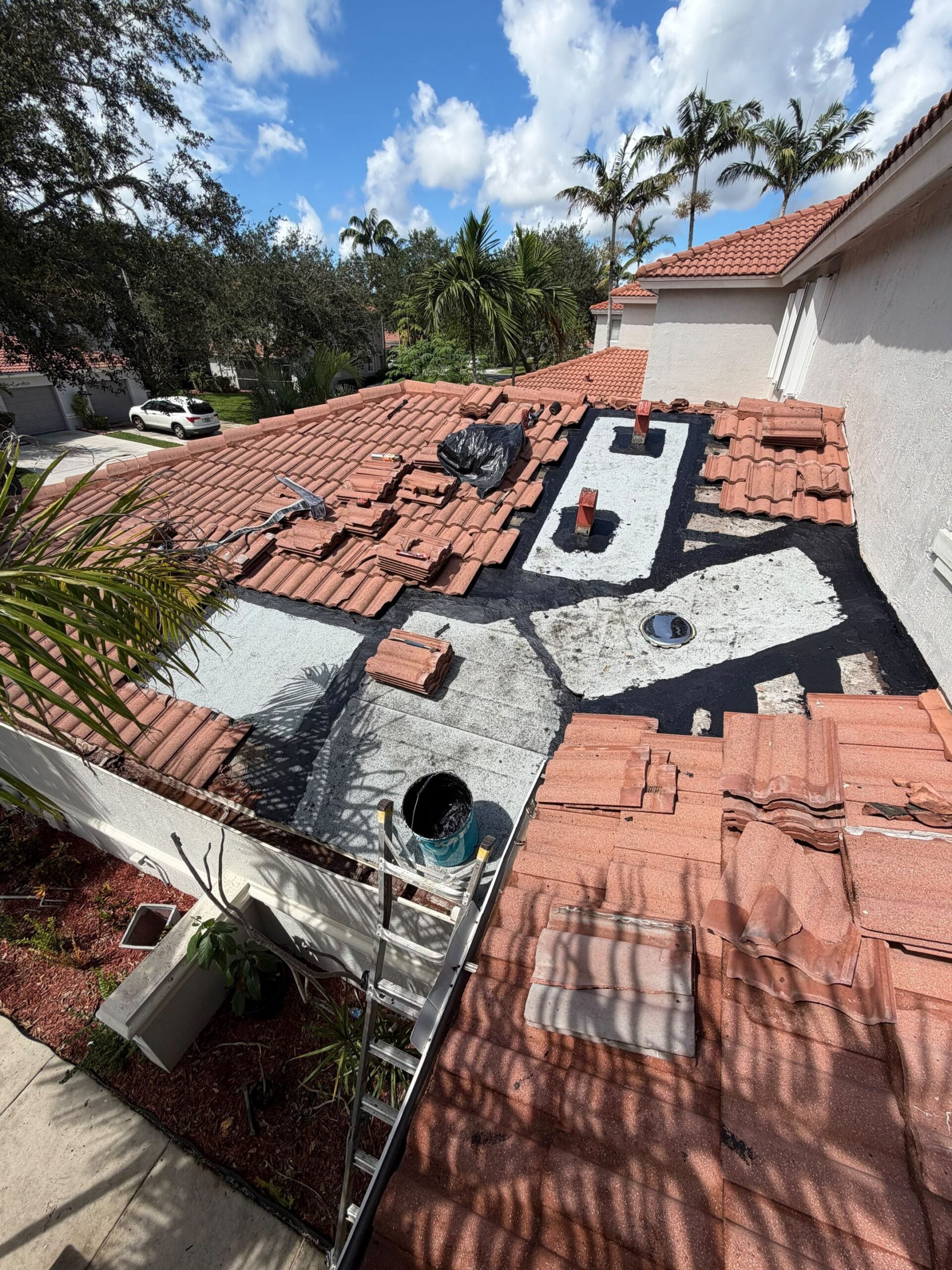
Tile roofing is synonymous with Jupiter architecture. In coastal neighborhoods, clay tile is often required to maintain the aesthetic integrity. However, for most modern Jupiter homes, concrete tile is the preferred option due to its lower cost and high durability.
- Pros: Exceptional fire resistance, high wind shed, and natural ventilation that helps lower cooling costs.
- Cons: Heavy weight requires a reinforced roof deck; tiles can crack if walked on improperly.
- Jupiter Tip: If you live within five miles of the ocean or the Intracoastal, ensure your tile roof uses stainless steel or high-grade galvanized fasteners to prevent salt air corrosion.
Metal Roofing: The Hurricane Champion
Standing seam metal roofing has become the “gold standard” for hurricane protection in 2026. Unlike older metal roofs with exposed fasteners, standing seam systems hide the screws under the metal panels, eliminating a common leak point.
- Pros: Rated for winds up to 160+ mph, reflects up to 70% of solar heat, and can last 50 years or more.
- Cons: Higher initial roof replacement cost in Jupiter; can be noisier during heavy tropical downpours if not properly insulated.
- Modern Context: We are seeing a massive surge in metal roof installations in newer Jupiter communities, where homeowners prioritize long-term energy savings.
Architectural Shingles: Budget-Friendly Protection
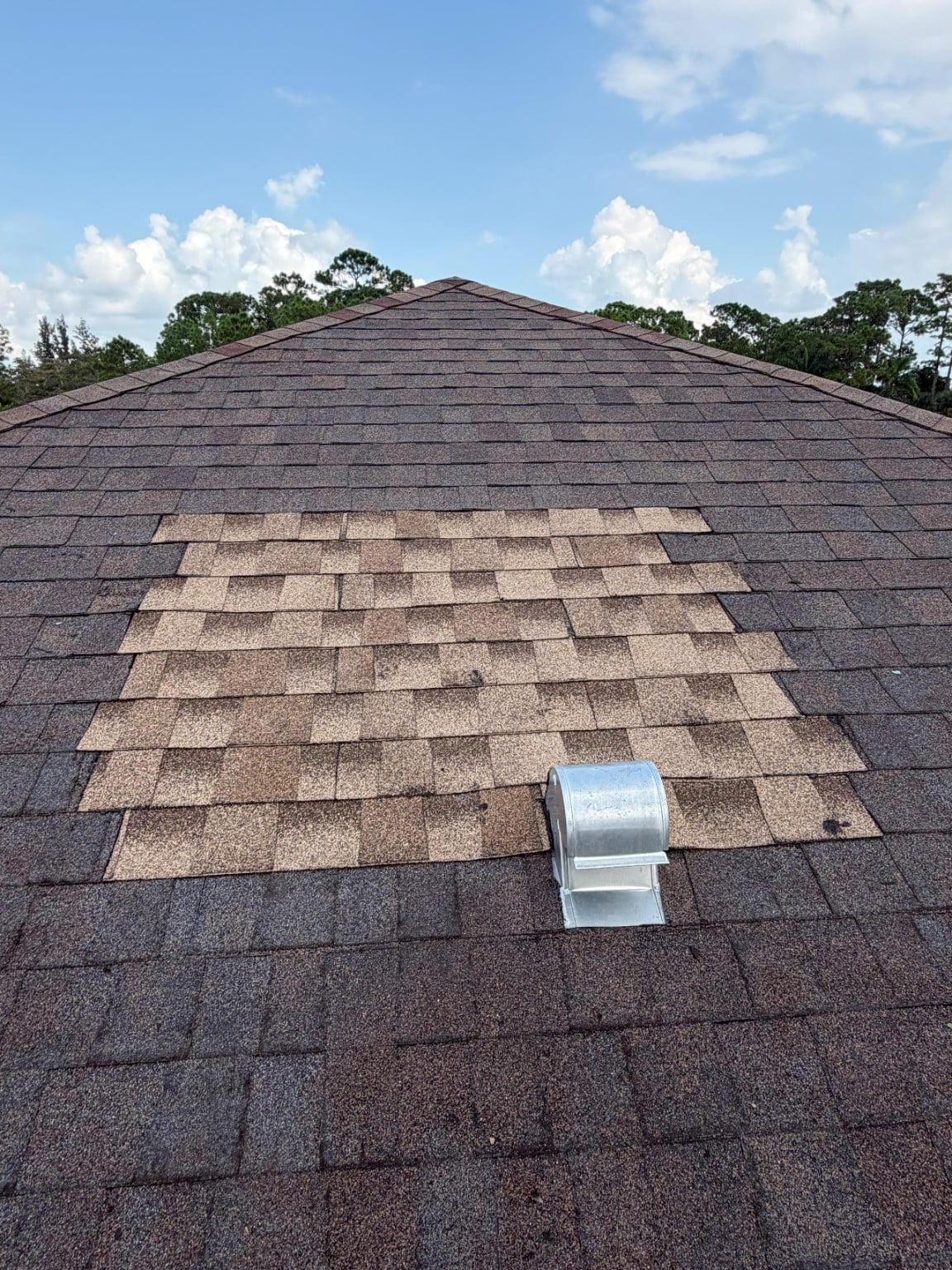
For many homeowners, architectural shingles provide the best balance of cost and performance. Modern shingles in 2026 are far superior to the “3-tab” shingles of the past, featuring multiple layers of material for a dimensional look and better wind resistance.
- Pros: Lowest upfront cost, fastest installation time (usually 1-2 days), and easy to repair.
- Cons: Shortest lifespan in South Florida (15-20 years) due to intense UV degradation.
- Maintenance: Shingle roofs in Jupiter require more frequent roof inspections to check for granule loss and lifted tabs after wind events.
Material Comparison: Cost vs. Lifespan
| Material | Typical Cost (2,500 sq ft) | Lifespan in South Florida | Wind Rating |
|---|---|---|---|
| Architectural Shingles | $12,000 – $25,000 | 15 – 20 Years | Up to 130 mph |
| Concrete Tile | $25,000 – $40,000 | 25 – 35 Years | Up to 150 mph |
| Standing Seam Metal | $30,000 – $50,000 | 40 – 50+ Years | Up to 160+ mph |
Note: Costs are estimates for 2026 and vary based on roof complexity and permit fees. See our full roofing cost guide for more details.
Factors to Consider for Jupiter Homes
When choosing your material, keep these three Jupiter-specific factors in mind:
- Salt Air Proximity: If you are east of I-95 or near the Loxahatchee River, salt air will eat through standard metal and fasteners. Aluminum roofing or high-grade tile fasteners are mandatory for longevity.
- HOA Restrictions: Many Jupiter communities, especially in Abacoa, have strict rules about roof color and material. Always check your HOA bylaws before signing a contract.
- Insurance Discounts: Installing a metal roof or a tile roof with a secondary water resistance (SWR) barrier can significantly lower your homeowners insurance premiums in Florida.
Frequently Asked Questions
What is the most popular roofing material in Jupiter?
Currently, architectural shingles are the most common due to their price point, but concrete tile is the most popular for homeowners looking to increase their property value and long-term protection.
Is metal roofing too hot for South Florida?
Actually, the opposite is true. Metal roofs are “cool roofs” because they reflect solar heat rather than absorbing it like asphalt shingles. This can reduce your AC bills by up to 20% during the summer.
How do I know if my roof can handle the weight of tile?
A licensed roofing contractor must perform a structural assessment. If your home was originally built with shingles, you may need to reinforce the trusses before switching to tile.
Which material is best for hurricane season?
Standing seam metal and concrete tile are the top performers. However, any material is only as good as its installation. Ensuring your roof meets Palm Beach County roofing codes is the most important factor.
Written By: Peter Menke
Peter Menke is the owner of BLU Roofing and has been serving the South Florida roofing industry for over 6 years. He founded BLU Roofing to provide homeowners with transparent, accurate data grounded in the reality of Florida’s unique climate and building codes, information that is often missing from generic national roofing advice. License #1337285