Owning a home in Palm Beach County comes with incredible benefits, but maintaining a roof here is not one of them. Between the relentless UV radiation, the corrosive salt air near the coast, and the annual threat of hurricane-force winds, South Florida is arguably the harshest roofing environment in the United States.
Whether you live in a historic home in West Palm Beach, a new construction in Westlake, or an HOA community in Jupiter, replacing or repairing your roof requires navigating a complex web of building codes, permit requirements, and material choices. This guide covers everything Palm Beach County homeowners need to know about roofing in 2026.
1. Understanding Palm Beach County Building Codes
The most important thing to understand about roofing in Palm Beach County is that we are located in a High-Velocity Hurricane Zone (HVHZ). This designation means that the Florida Building Code imposes significantly stricter requirements here than in Central or North Florida.
When you replace a roof in Palm Beach County, the contractor cannot simply nail down new shingles. They must adhere to stringent wind mitigation standards designed to keep the roof attached to the house during a Category 4 or 5 hurricane. This includes:
- Enhanced Fastening: Using more nails per shingle or tile, and specific types of corrosion-resistant fasteners.
- Secondary Water Resistance (SWR): Installing a specialized, self-adhering underlayment (often called “peel-and-stick”) directly to the roof deck. If the primary roof covering (tiles or shingles) blows off, the SWR prevents water from entering the home.
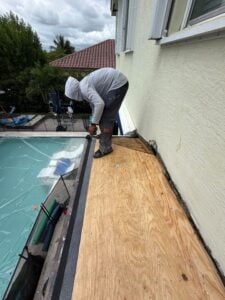
- Deck Attachment: Re-nailing the plywood roof deck to the trusses using specific nail patterns and sizes to ensure structural integrity.
These code requirements are non-negotiable, and they are the primary reason a roof replacement in Palm Beach County costs more than the national average.
2. The Permitting Process in Palm Beach County
You cannot legally replace a roof in Palm Beach County without a permit. The permitting process is designed to protect homeowners by ensuring that the work meets the HVHZ building codes.
Who Pulls the Permit?
A licensed roofing contractor must pull the permit. Never hire a contractor who asks you to pull the permit as an “owner-builder.” This is a massive red flag that the contractor is unlicensed or uninsured, and it makes you legally and financially responsible for any code violations or injuries on the job. Learn more about how to choose a roofing contractor without getting burned.
The Inspection Process:
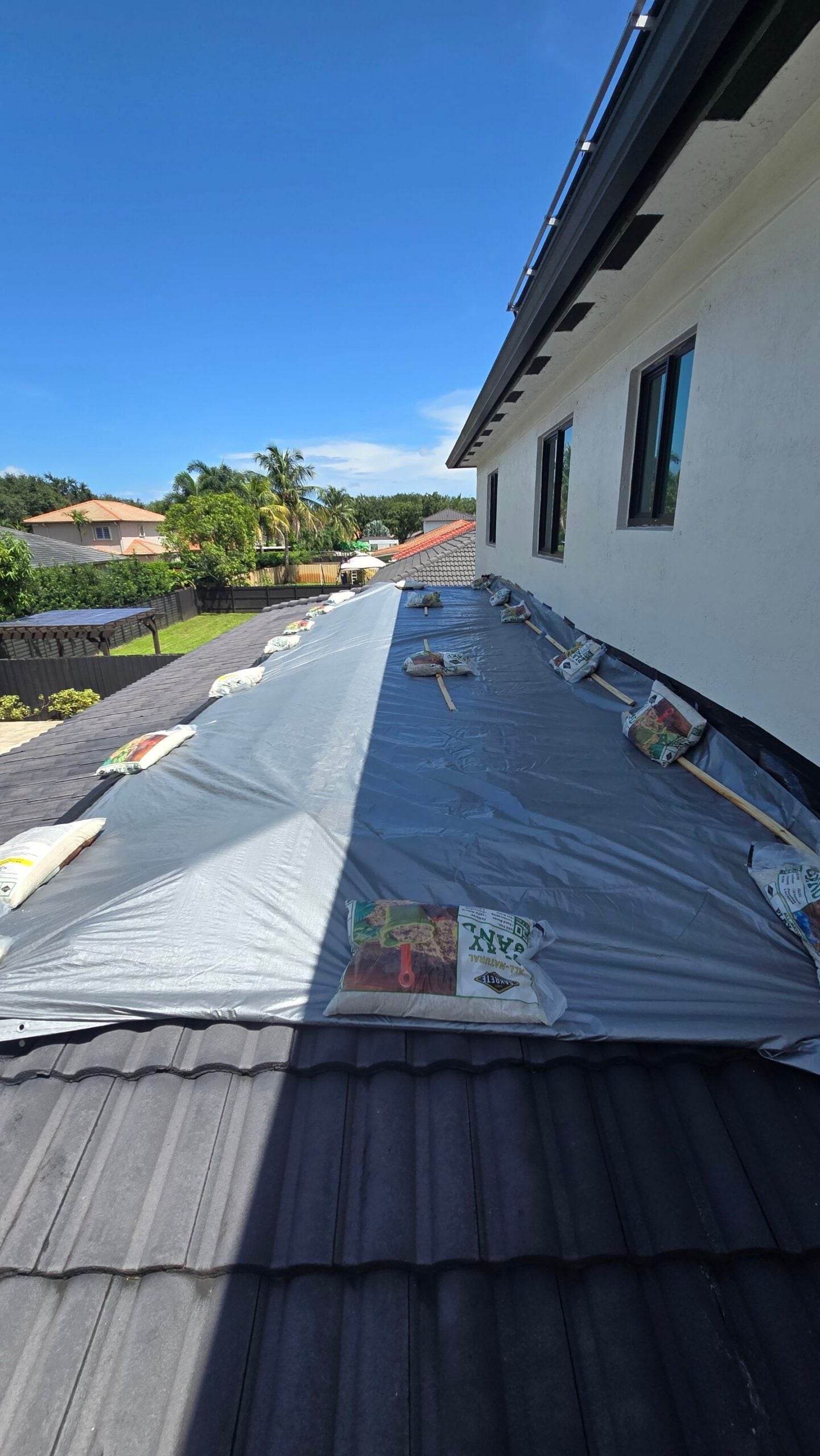
Once the permit is issued, the county requires multiple inspections throughout the project. Typically, an inspector must sign off on the “dry-in” phase (when the underlayment is installed) before the final roofing material can be applied. A final inspection is required when the job is complete.
Timeline:
In 2026, the permit approval process in Palm Beach County typically takes between one and four weeks, depending on the municipality and the current backlog.
3. Choosing the Right Roofing Material for South Florida
The climate and your Homeowners Association (HOA) will largely dictate your material choices.
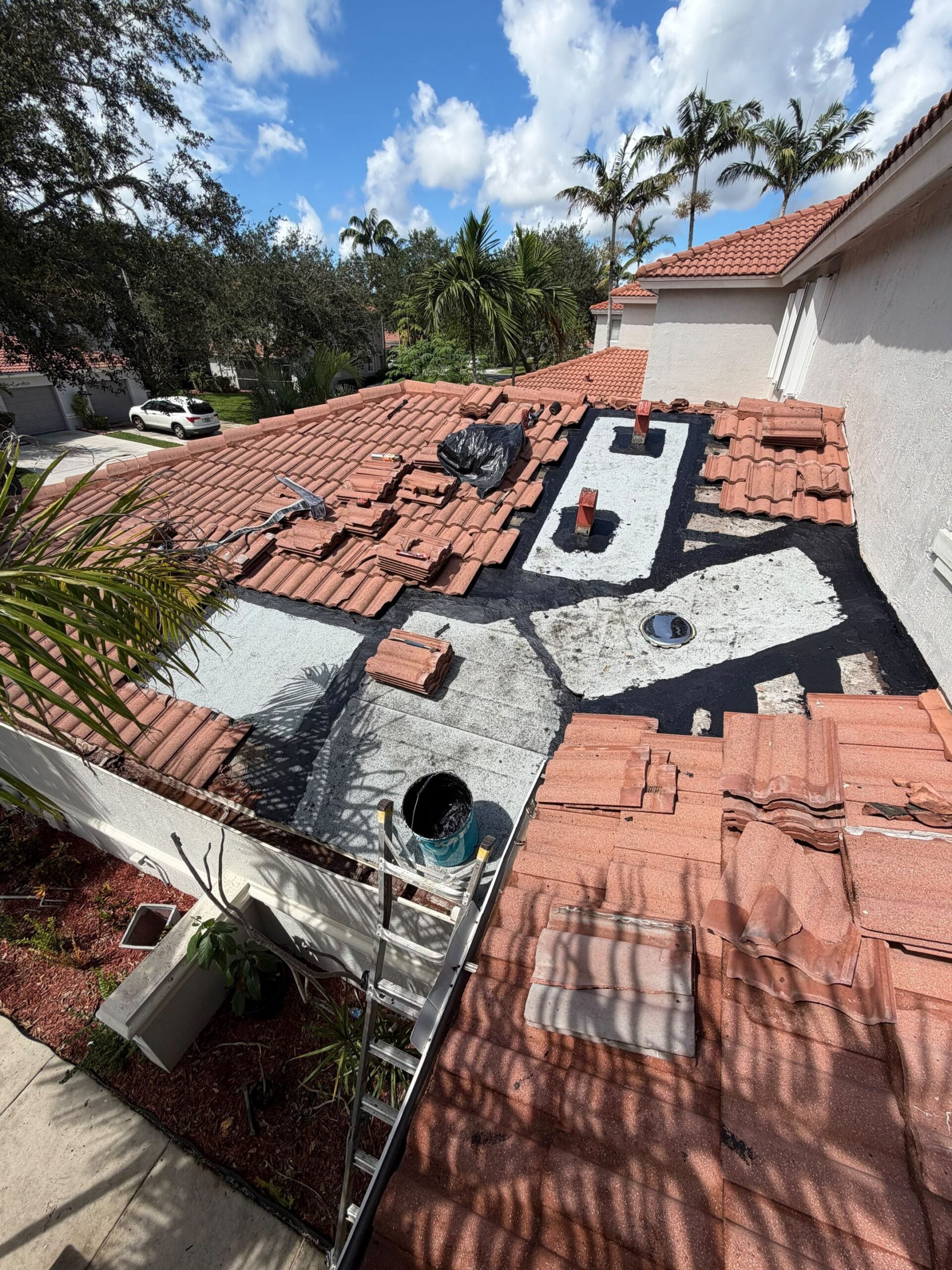
- Concrete and Clay Tile: The quintessential South Florida look. Tiles are incredibly durable and offer excellent wind resistance. However, the underlayment beneath them typically fails after 20 to 30 years, requiring a full replacement. They are also the most common requirement for HOAs in Palm Beach Gardens, Boca Raton, and Wellington.
- Standing Seam Metal: The ultimate choice for hurricane resistance and longevity. Metal roofs can last 30 to 50 years and are highly energy-efficient. They are becoming increasingly popular in coastal areas like Jupiter and Delray Beach, though some HOAs still restrict them.
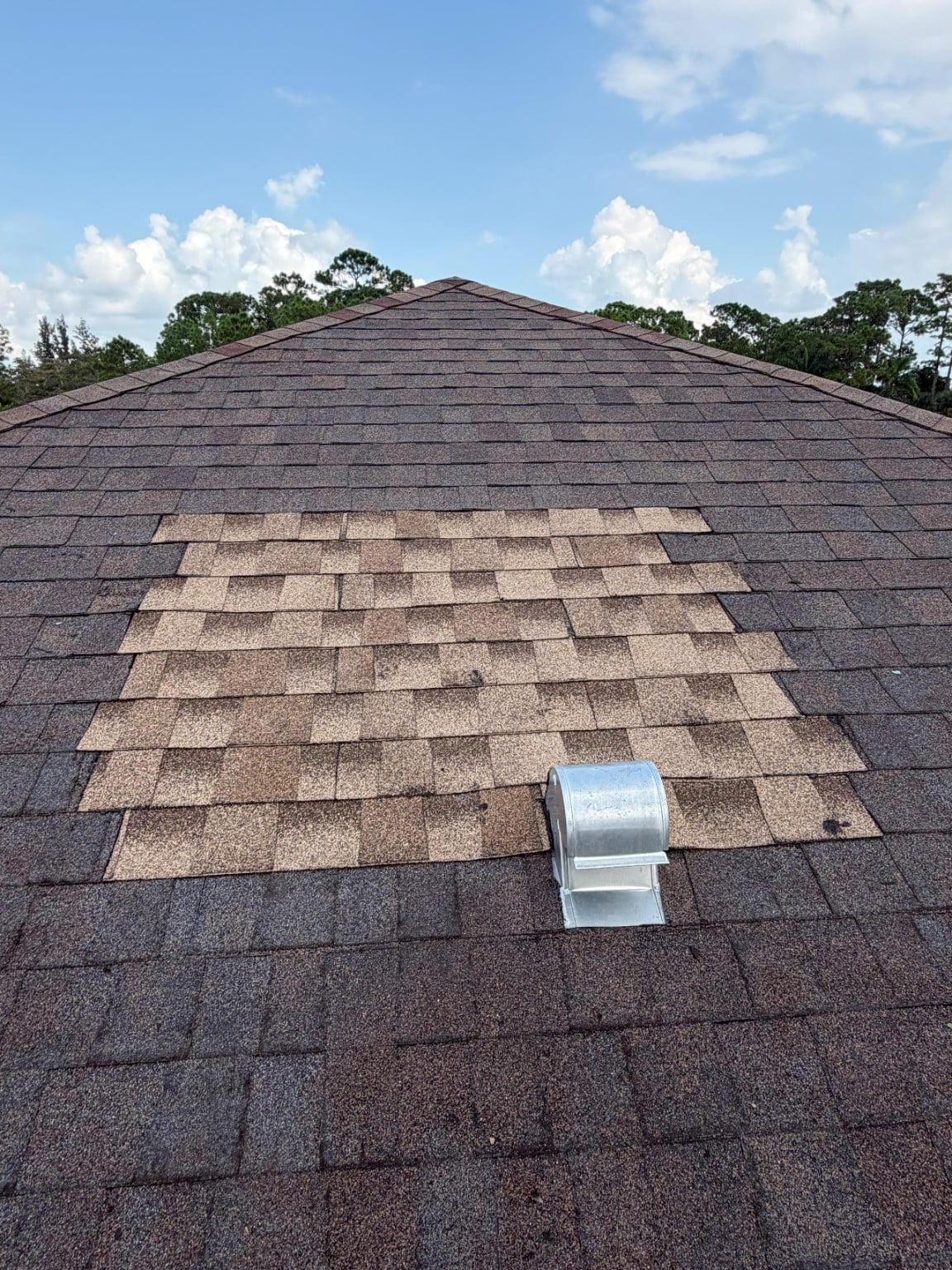
- Architectural Shingles: The most cost-effective option upfront. High-quality architectural shingles are rated for high winds, but they have the shortest lifespan in our climate, typically needing replacement every 15 to 20 years due to UV degradation.
If you are unsure which option is best for your specific neighborhood, read our detailed comparison of tile roofs vs. shingle roofs.
4. Average Roof Replacement Costs in Palm Beach County (2026)
Roofing costs vary widely based on the size of the home, the pitch of the roof, and the material selected. However, here are the realistic ranges for a standard 2,000 to 2,500 square foot home in Palm Beach County in 2026:
- Architectural Shingles: $12,000 to $25,000
- Concrete Tile: $25,000 to $40,000+
- Standing Seam Metal: $30,000 to $50,000+
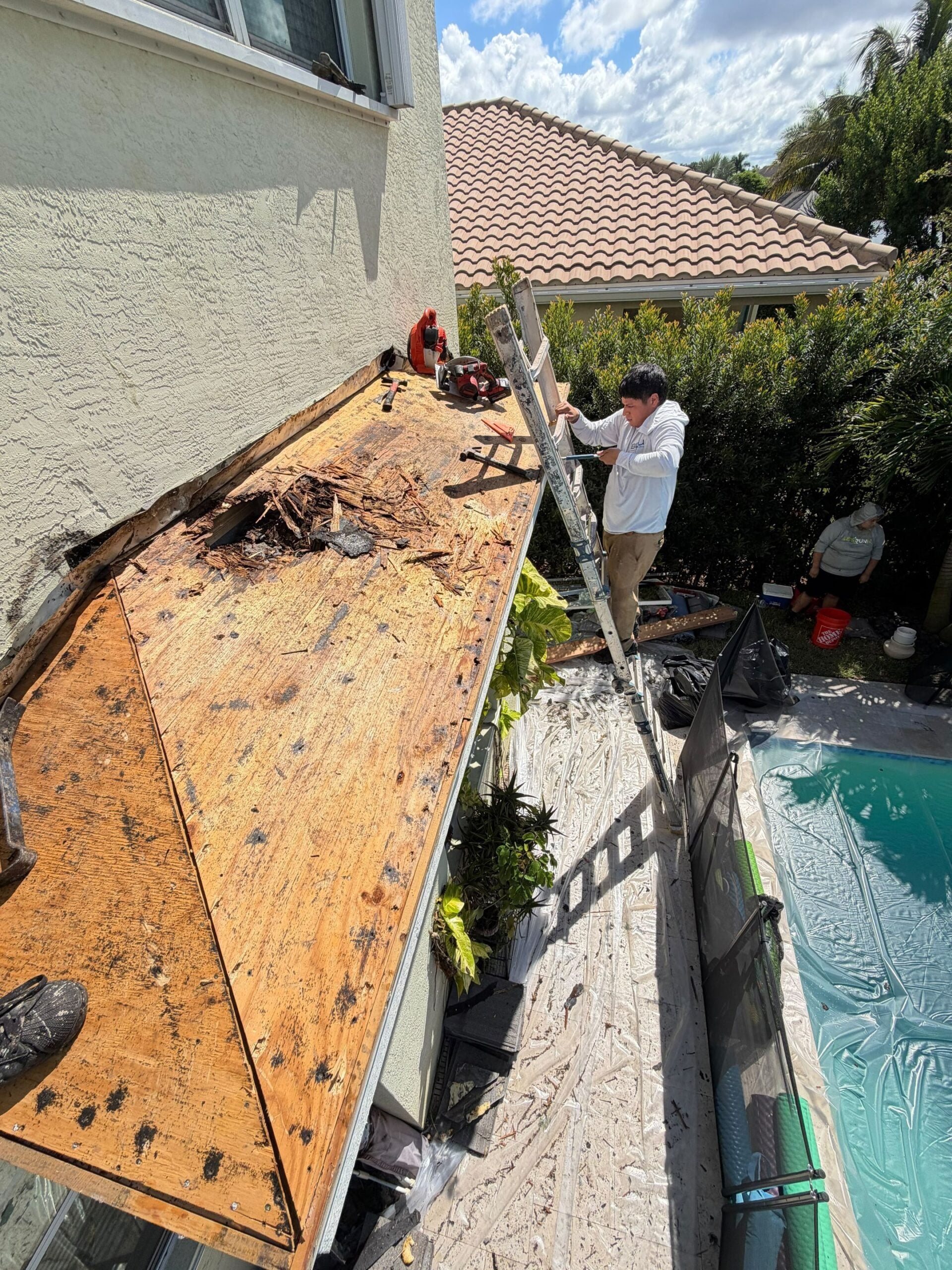
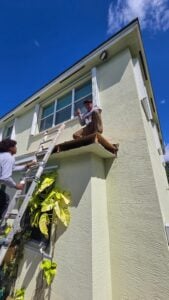
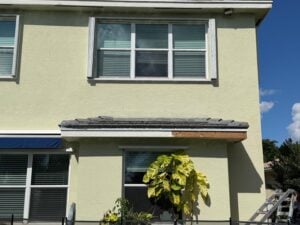
Remember that these estimates often do not include the cost of replacing rotted plywood decking or repairing damaged fascia, which are common discoveries once the old roof is removed.
5. The Insurance Factor
In Florida, your roof’s age directly impacts your homeowners insurance. Many carriers will drop coverage or refuse to write a new policy if a shingle roof is older than 15 years or a tile roof is older than 20 years. If you are struggling to secure insurance, a roof replacement is often the only solution. Read more about how homeowners insurance covers roof replacements in Florida.
Furthermore, a new roof installed to current HVHZ codes with Secondary Water Resistance will qualify you for significant wind mitigation discounts on your insurance premiums, helping to offset the cost of the replacement over time.
Trust the Local Experts
Navigating a roof replacement in Palm Beach County requires a contractor who understands the local codes, the permitting process, and the specific demands of the South Florida climate. BLU Roofing is a licensed, insured, and locally owned roofing contractor serving all of Palm Beach County. We provide transparent pricing, expert craftsmanship, and a stress-free experience from the initial inspection to the final permit close-out. Contact us today to schedule your free consultation.