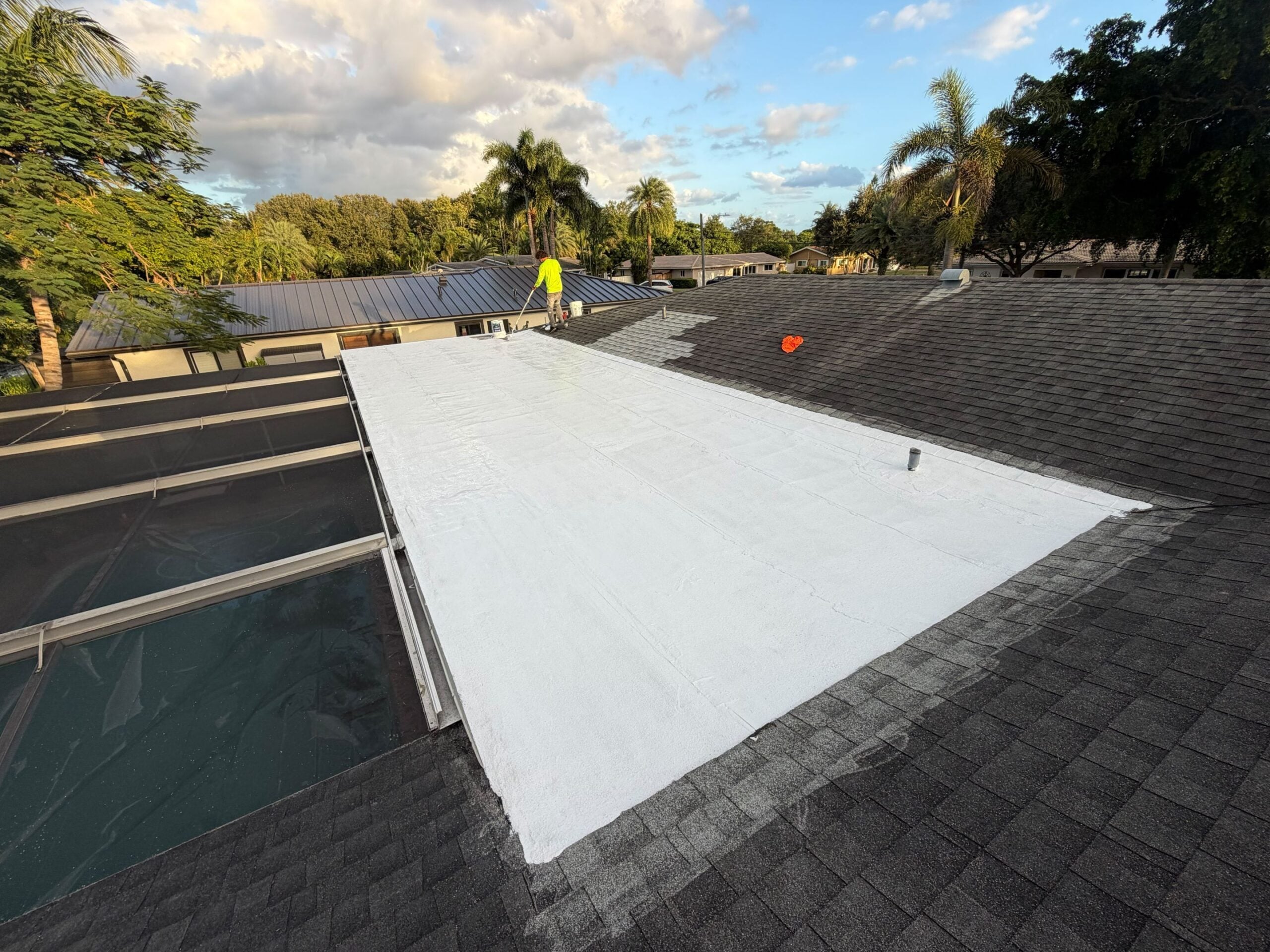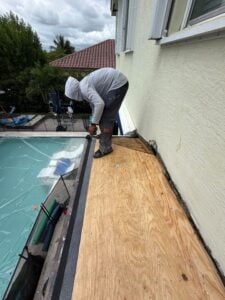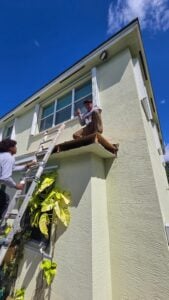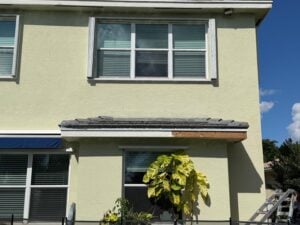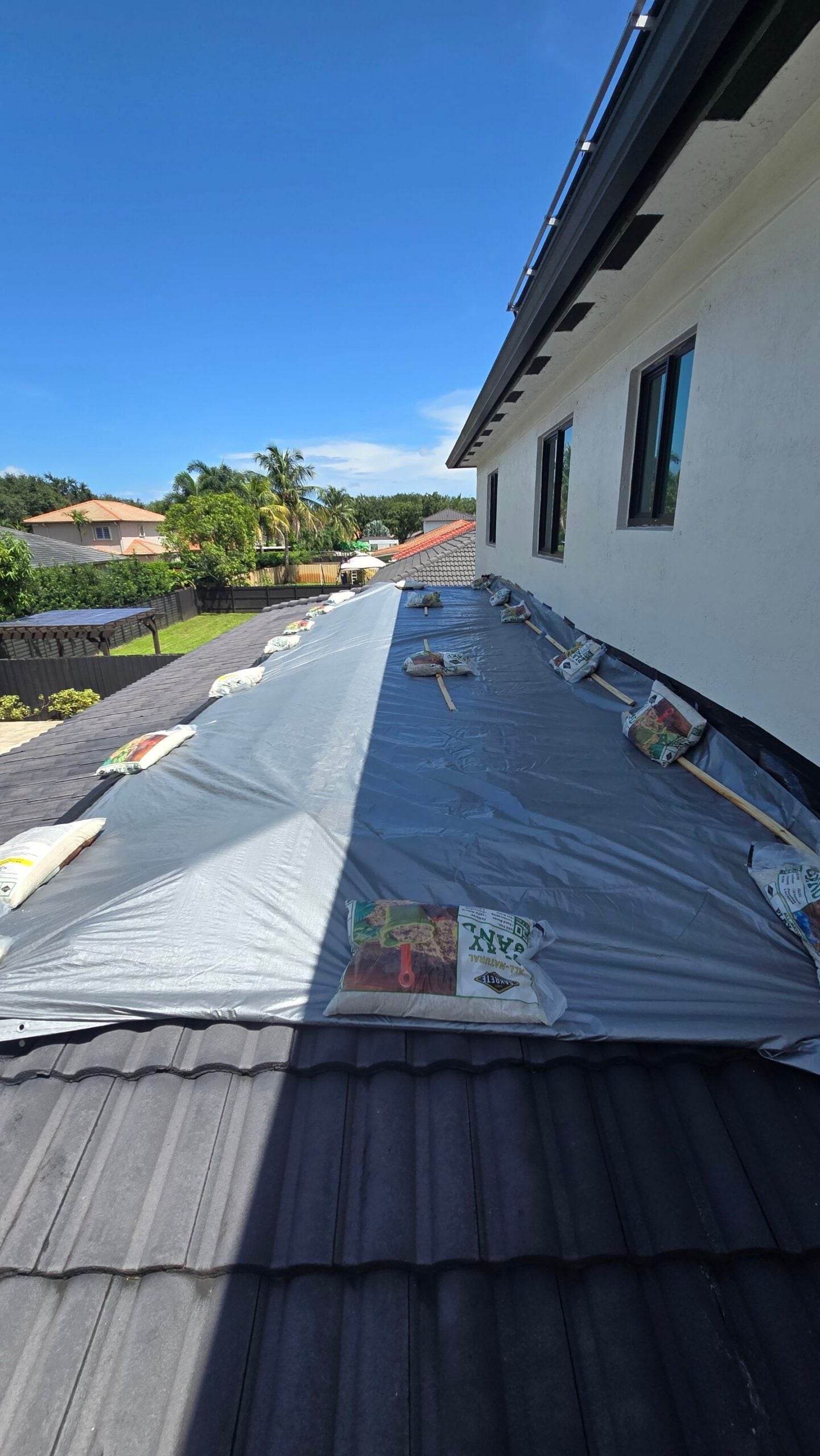
For homeowners in Lake Park, Florida, undertaking any roofing project requires a clear understanding of local regulations. Navigating the world of Lake Park roofing permits and building codes can seem complex, but adhering to these guidelines is crucial for ensuring your home remains safe, compliant, and insurable. This 2026 guide will demystify the process, highlighting key aspects of the Florida Building Code and the specific requirements set forth by the Town of Lake Park, helping you protect your investment in Palm Beach County.
Quick Summary
In 2026, all roofing projects in Lake Park must comply with the 9th Edition of the Florida Building Code. This requires a formal permit from the Town of Lake Park Community Development Department for any work exceeding 25% of the roof area. Key requirements include High Velocity Hurricane Zone (HVHZ) engineering, a Notice of Commencement for jobs over $5,000, and strict adherence to secondary water barrier (SWB) standards to maintain insurance eligibility. Understanding Lake Park roofing permits is essential for homeowners in the 33403 zip code.
Table of Contents
- Why Lake Park Roofing Permits Matter
- The 2026 Florida Building Code (9th Edition)
- The “25% Rule” in Lake Park
- Key Steps for Lake Park Permit Compliance
- Lake Park Roofing Permit Requirements at a Glance
- FAQ: Lake Park Roofing Permits
Why Lake Park Roofing Permits Matter
For homeowners in the 33403 zip code, a new roof or significant repair is more than a cosmetic upgrade, it is a legal and structural necessity that must be documented with the Town of Lake Park. Obtaining the correct Lake Park roofing permits ensures that your project meets the stringent safety and construction standards designed to protect your property from Florida’s severe weather. Proper permitting also safeguards your home’s insurability and resale value, preventing potential issues down the line.
The 2026 Florida Building Code (9th Edition)
As of 2026, all roofing work in Florida, including Lake Park, operates under the 9th Edition of the Florida Building Code. This edition has introduced even stricter standards for fastener patterns, underlayment materials, and overall structural integrity, especially for coastal towns like Lake Park that fall within the High Velocity Hurricane Zone (HVHZ). Every permit application filed must include a “Florida Product Approval” number for every component used, from the shingles to the nails, ensuring materials meet state-mandated performance criteria.
The “25% Rule” in Lake Park
One of the most critical aspects of local code affecting Lake Park roofing permits is the 25% Rule. In Lake Park, if you repair more than 25% of a roof section within any 12-month period, the entire roof must be brought up to the current 2026 building code. This often means that what might seem like a large repair could legally necessitate a full roof replacement to comply with modern hurricane-resistant standards. This rule underscores the importance of professional inspections before starting any work, as it can significantly impact project scope and cost.
Key Steps for Lake Park Permit Compliance
Navigating the permit process with the Town of Lake Park Building Department involves several crucial steps:
- Notice of Commencement (NOC): For any roofing project valued at over $5,000, a Notice of Commencement must be recorded with the Palm Beach County Clerk and prominently posted at the job site. This protects homeowners from potential liens.
- Secondary Water Barrier (SWB): To qualify for maximum wind mitigation credits on your insurance, the code now heavily prioritizes the use of self-adhering polymer-modified bitumen (peel-and-stick) underlayment. This provides an essential layer of protection against water intrusion, even if the primary roofing material is compromised.
- Inspections: A typical reroof project in Lake Park requires at least two inspections: the “In-Progress” (deck/nailing) inspection, which verifies the underlayment and fastening, and the “Final” inspection, which confirms the completed roof meets all code requirements.
- Florida Product Approvals: All roofing materials used must have current Florida Product Approvals, demonstrating their resilience to the state’s unique environmental conditions.
Lake Park Roofing Permit Requirements at a Glance
| Requirement | Standard / Detail | Notes for Lake Park Homeowners |
|---|---|---|
| Applicable Code | 2026 Florida Building Code (9th Edition) | Strictly enforced for all new work and significant repairs. |
| Permit Authority | Town of Lake Park Community Development Department | Located at 1100 Park Avenue, Lake Park, FL 33403. |
| The “25% Rule” | Repairing >25% of a roof section requires full code upgrade. | Can trigger a full roof replacement; consult a professional. |
| Secondary Water Barrier (SWB) | Self-adhering underlayment (e.g., peel-and-stick) | Mandatory for insurance wind mitigation credits. |
| Notice of Commencement (NOC) | Required for projects over $5,000. | Must be recorded with Palm Beach County Clerk and posted. |
FAQ: Lake Park Roofing Permits
Q: Do I need a permit for a small roof repair in Lake Park?
A: In Lake Park, any roofing work that involves structural components or exceeds 25 square feet typically requires a permit. Minor shingle replacements may fall under “maintenance,” but we always recommend checking with the Town of Lake Park Building Department to avoid fines and ensure compliance.
Q: How much does a roofing permit cost in Lake Park?
A: Permit fees are generally based on the total valuation of the job. For 2026, fees typically include a base administrative fee plus a percentage of the total construction cost, usually ranging from 1% to 3% of the project total. These fees are set by the Town of Lake Park.
Q: How long does it take for Lake Park to issue a roofing permit?
A: For a standard residential reroof, plan review usually takes between 5 to 10 business days. During peak hurricane preparation season (April–June), these timelines can extend slightly due to increased demand. It’s always best to plan ahead.
Q: Can I pull a roofing permit as a homeowner in Lake Park?
A: While Florida law allows for “Owner-Builder” permits, you must live in the home and assume all liability for the work, including workers’ compensation for any laborers you hire. Most homeowners prefer to have a licensed contractor like BLU Roofing pull the permit to ensure full professional liability and adherence to all codes.
Written By: Peter Menke
Peter Menke is the owner of BLU Roofing and has been serving the South Florida roofing industry for over 6 years. He founded BLU Roofing to provide homeowners with transparent, accurate data grounded in the reality of Florida’s unique climate and building codes, information that is often missing from generic national roofing advice. License #CCC1337285